Enhance patient comfort and clinician efficiency with our healthcare lighting solutions focused on care and sustainability. Our tailored lighting designs support health and wellness ensuring a welcoming and efficient healthcare environment.
Sustainable Lighting for Healthcare in Australia
Beyond patient care, effective lighting is crucial for healthcare staff, aiding in accurate diagnostics and reducing fatigue during long shifts. Bright, even lighting helps healthcare providers maintain alertness and deliver effective care. Moreover, tailored lighting designs can enhance safety, promote comfort, and support the circadian rhythms that are vital for good sleep and overall health. By integrating advanced lighting solutions, healthcare facilities can create environments that not only support healing but also improve operational efficiency and staff well-being.
In the world of fitness, lighting plays a vital yet often overlooked role in performance, safety and member experience. Effective gym lighting can energise, motivate and enhance functionality.
Aged care facilities have distinct needs compared to hospitals, requiring lighting that balances functionality, design and budget considerations.The right lighting solutions can enhance safety, promote comfort and support the circadian rhythms that are vital for good sleep and overall health. At LPA, we understand the unique requirements of aged care facilities and are here to help you find the perfect
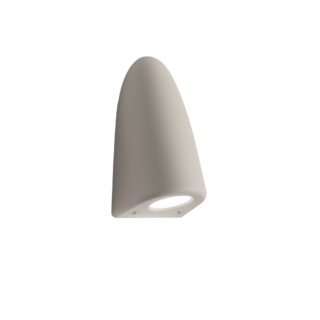
When choosing anti-ligature fittings for mental health facilities in Australia, it’s essential to consider not only safety but also the impact on patient well-being and care. These fittings are designed to minimise the risk of self-harm, but their design and functionality must also promote a therapeutic and supportive environment for patients.
What type of lighting is best for hospitals and healthcare facilities?
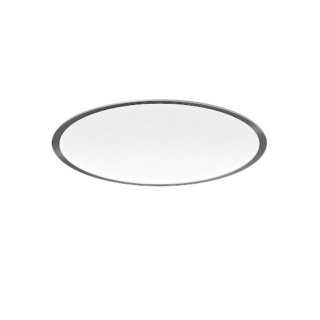
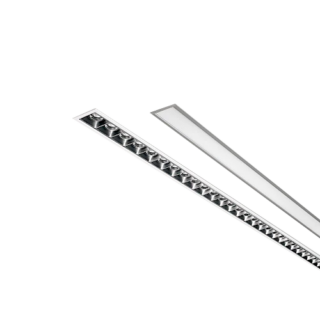
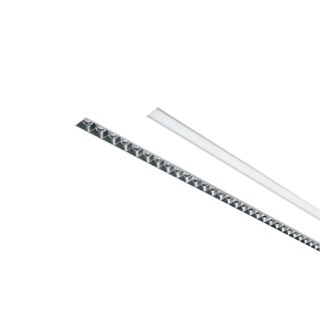
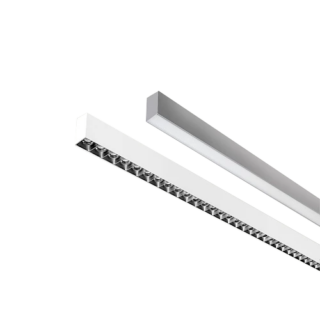
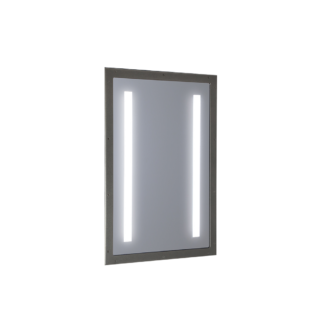
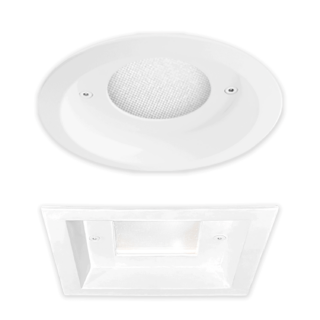
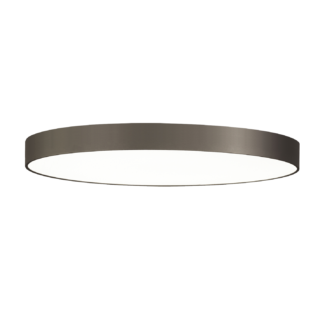
Hospitals and healthcare facilities require lighting that balances visual accuracy, patient comfort and operational efficiency. LED panels, recessed luminaires and specialised medical lighting can provide consistent illumination across treatment rooms, consultation areas, corridors and patient rooms. The right solution depends on the activities performed in each space, with particular attention given to glare control, colour rendering and hygiene requirements.
How can lighting improve patient comfort and recovery in healthcare environments?
Appropriate lighting can help create a calmer and more comfortable environment for patients. Adjustable lighting, warmer colour temperatures in relaxation areas and access to natural daylight can support patient wellbeing and healthy sleep patterns. Lighting designed around natural circadian rhythms can also help maintain a more consistent day-night cycle, particularly for patients spending extended periods in hospital or aged care facilities.
What is circadian lighting and why is it important in healthcare facilities?
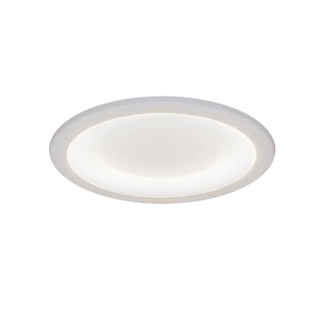
Circadian lighting is designed to support the body’s natural sleep-wake cycle by adjusting light intensity and colour temperature throughout the day. Exposure to brighter, cooler light during daytime hours and softer, warmer lighting in the evening can help reinforce natural circadian rhythms. This approach is particularly beneficial in hospitals and aged care facilities, where patients may spend long periods indoors with limited exposure to natural daylight.
What lighting is required for medical examination and treatment rooms?
Medical examination and treatment rooms need reliable, high-quality illumination that allows healthcare professionals to perform clinical tasks accurately. Lighting should provide sufficient brightness, consistent distribution and good colour rendering so clinicians can assess patients and identify subtle changes in skin tone and other visual indicators. Specialised medical luminaires may also be required depending on the procedures being performed.
Can lighting solutions be designed specifically for aged care facilities?
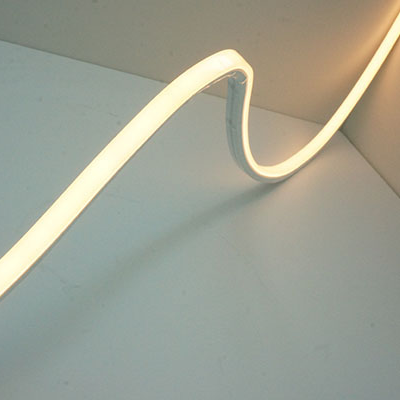
Yes. Aged care facilities have distinct lighting requirements, with an emphasis on resident safety, comfort and maintaining independence. Well-designed lighting can improve visibility around bedrooms, bathrooms and shared spaces, helping reduce trip and fall risks. Adjustable lighting and appropriately positioned night lights can also support residents during evening hours without creating unnecessary disruption to sleep.
What are anti-ligature lighting fittings and where are they used?
Anti-ligature lighting fittings are specially designed luminaires that minimise opportunities for patients to attach cords, ropes or other materials to lighting fixtures. They are particularly important in mental health facilities, psychiatric wards and secure healthcare environments where patient safety is a priority. These fittings typically feature secure construction, tamper-resistant components and designs that minimise potential attachment points while still providing comfortable and functional illumination.
How can healthcare facilities reduce energy consumption without compromising patient care?
Healthcare facilities can reduce lighting energy consumption by upgrading outdated fittings to efficient LED technology and introducing intelligent lighting controls. Occupancy sensors, daylight harvesting and programmable lighting schedules can help ensure lights operate only when and where they are needed. Selecting long-life luminaires can also reduce ongoing maintenance requirements, particularly in facilities that operate around the clock.
What should be considered when choosing lighting for healthcare facilities?
Healthcare lighting design needs to consider the purpose of each space, patient and staff requirements, illumination levels, glare control, colour rendering, hygiene and applicable Australian standards. Specialist environments may also require anti-ligature fittings, cleanroom-compatible luminaires or patient night lighting. LPA Lighting develops customised healthcare lighting solutions that balance clinical functionality, patient wellbeing, energy efficiency and long-term operational requirements.