Lighting Solutions for Australian Museums & Galleries
Lighting Design for Museums & Galleries
At LPA Lighting, we create intelligent, efficient lighting solutions designed specifically for museums and galleries.
We understand the unique requirements of cultural and exhibition spaces—and the vital role lighting plays in storytelling, preserving artwork, and shaping visitor experiences. From showcasing fine details in artwork to guiding the flow of foot traffic, our team works closely with architects, designers, and contractors to deliver custom lighting plans that elevate both form and function.
Lighting That Enhances the Visitor Experience and Protects Your Collection.
Whether it’s precision lighting for exhibits, subtle ambient lighting for gallery walkways, or architectural lighting to highlight the character of your building, our solutions are designed to meet conservation standards while enhancing the emotional impact of each display. We prioritise light quality, energy efficiency, and curatorial intent—ensuring every area of your museum or gallery is both beautifully illuminated and thoughtfully preserved.


Why Lighting Design Is Important for Museums & Galleries
Lighting in museums and galleries goes far beyond simply illuminating spaces—it plays a vital role in shaping the visitor experience, supporting curatorial goals, and preserving priceless collections. From the moment visitors enter, thoughtful lighting design influences how they engage with the exhibits, how immersed they feel, and how memorable their visit will be.
The Benefits of Effective Lighting in Museums & Galleries:
Enhanced Visitor Experience
Create immersive environments that evoke emotion, inspire curiosity, and guide visitors intuitively through exhibitions, tailored to each collection, display, or gallery space.
Artwork & Exhibit Accents
Use layered lighting to highlight fine details, textures, and colours—bringing exhibits to life while aligning with the artistic or historical narrative of each piece.
Preservation & Conservation
Protect sensitive artworks and artefacts with carefully controlled lighting that excludes harmful UV/infrared radiation, ensuring minimal degradation over time through considered illumination design.
Energy Efficiency & Operational Savings
Incorporate LED technologies and smart lighting systems to reduce energy usage, simplify maintenance, and lower running costs—without compromising on quality or visual impact.
Curatorial Intent & Mood Setting
Lighting helps express the tone and purpose of each exhibition—from dramatic spotlighting to soft ambient glow—ensuring alignment with the curatorial vision and enhancing storytelling.
Reliable, All-Day Performance
Museums and galleries operate across varied hours and conditions. High-performance lighting ensures consistency, clarity, and atmosphere throughout day and night operations.
Frequently Asked Questions
What is the best lighting for museums and art galleries?
The best lighting for museums and art galleries combines controlled ambient illumination with carefully positioned accent lighting to showcase exhibits and artwork. LED track lighting, adjustable spotlights and architectural lighting are commonly used to highlight individual displays while maintaining a comfortable viewing environment. LPA Lighting designs customised solutions that balance exhibition presentation, visitor experience and the preservation requirements of displayed collections.
Why is colour rendering important when lighting artwork and museum exhibits?
Colour rendering determines how accurately a light source reproduces the colours of an object compared with natural light. This is particularly important in galleries and museums, where visitors need to appreciate the original colours, textures and details of paintings, sculptures and historical objects. High-CRI LED lighting helps ensure exhibits are presented with greater colour accuracy and visual clarity.
Can museum lighting damage paintings and historical artefacts?
Yes. Certain light sources can contribute to the deterioration of sensitive exhibits over time. Exposure to ultraviolet radiation, excessive illumination and heat can accelerate fading and material degradation, particularly in textiles, photographs, manuscripts and works on paper. Modern LED lighting generally produces less UV radiation and heat than some traditional lighting technologies, but sensitive collections still require carefully controlled illumination levels and exposure times.
What colour temperature is best for art gallery lighting?
The ideal colour temperature depends on the artwork, exhibition theme and desired viewing atmosphere. Neutral white lighting is often used to provide a balanced presentation of colours, while warmer lighting can create a more intimate atmosphere for certain exhibitions. Consistency and colour rendering are particularly important when displaying multiple artworks together, helping ensure visitors experience a cohesive and accurate representation of each piece.
How can galleries highlight individual artworks without creating glare?
Effective gallery lighting uses carefully positioned directional luminaires to draw attention to individual artworks while minimising reflections and visual discomfort. Adjustable track lighting and specialist spotlights allow illumination to be directed precisely where it is needed. Beam angles, fixture positioning, brightness levels and the reflective properties of artwork glazing should all be considered during the lighting design process.
Can museum and gallery lighting be adjusted for different exhibitions?
Yes. Flexible lighting systems allow museums and galleries to adapt illumination as exhibitions and displays change. Adjustable track-mounted spotlights, dimmable LED luminaires and programmable lighting controls make it easier to accommodate different artwork sizes, display arrangements and conservation requirements. This flexibility is particularly valuable for venues that regularly rotate exhibitions or host temporary installations.
How can museums reduce energy consumption through more efficient lighting?
Museums and galleries can reduce energy consumption by replacing older lighting technologies with efficient LED luminaires and introducing intelligent lighting controls. Dimming, occupancy sensors and scheduled operating times can help reduce unnecessary illumination when exhibition spaces are unoccupied. LED technology also typically offers longer operating lifespans, reducing maintenance requirements and the frequency of fixture replacements.
What should be considered when designing lighting for a museum or gallery?
Museum and gallery lighting design needs to consider the types of exhibits being displayed, conservation requirements, colour accuracy, illumination levels, glare control and the architectural characteristics of the building. Visitor movement, exhibition flexibility and maintenance access are also important considerations. LPA Lighting develops customised solutions that help cultural institutions create engaging exhibition environments while accounting for the specific lighting requirements of their collections.
Related Projects
Associated Products

Liquid Line Suspended

Matric Suspended Linear
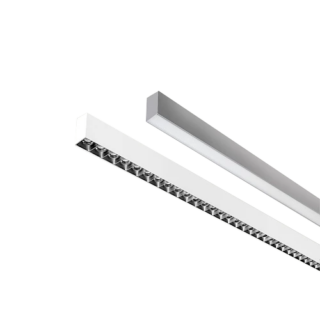
MATRIC SURFACE LINEAR

LUX PRO DOWNLIGHT
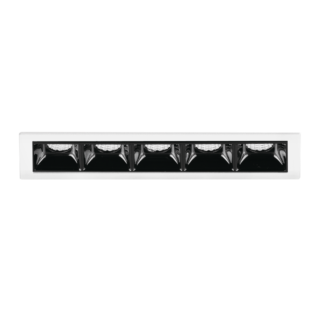
LEVI RECESSED DOWNLIGHT
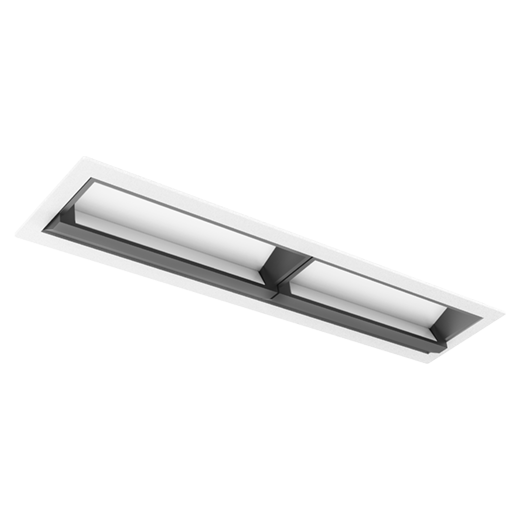
LEVI WALL WASHER DOWNLIGHT
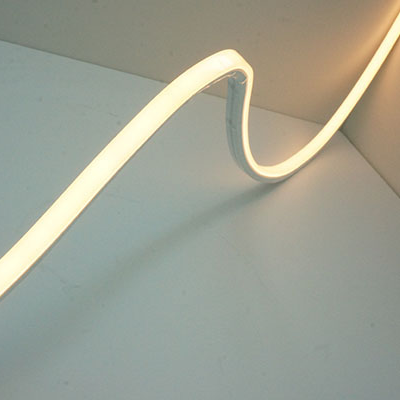
NEON FLEX LED STRIP

NEON FLEX RGBW LED STRIP

MIRA ROUND WALL LIGHT

CHARISMA BOLLARD

ZET INGROUND UPLIGHT
