When designing an outdoor lighting scheme, selecting the right luminaire is only part of the equation. The quality of light has a significant influence on how architecture, landscapes and public spaces are experienced after dark. One of the key specifications used to assess light quality is the Colour Rendering Index (CRI).
Understanding what CRI measures, and more importantly, when it makes a difference, can help you make more informed lighting decisions for your project.
What Does CRI Measure?
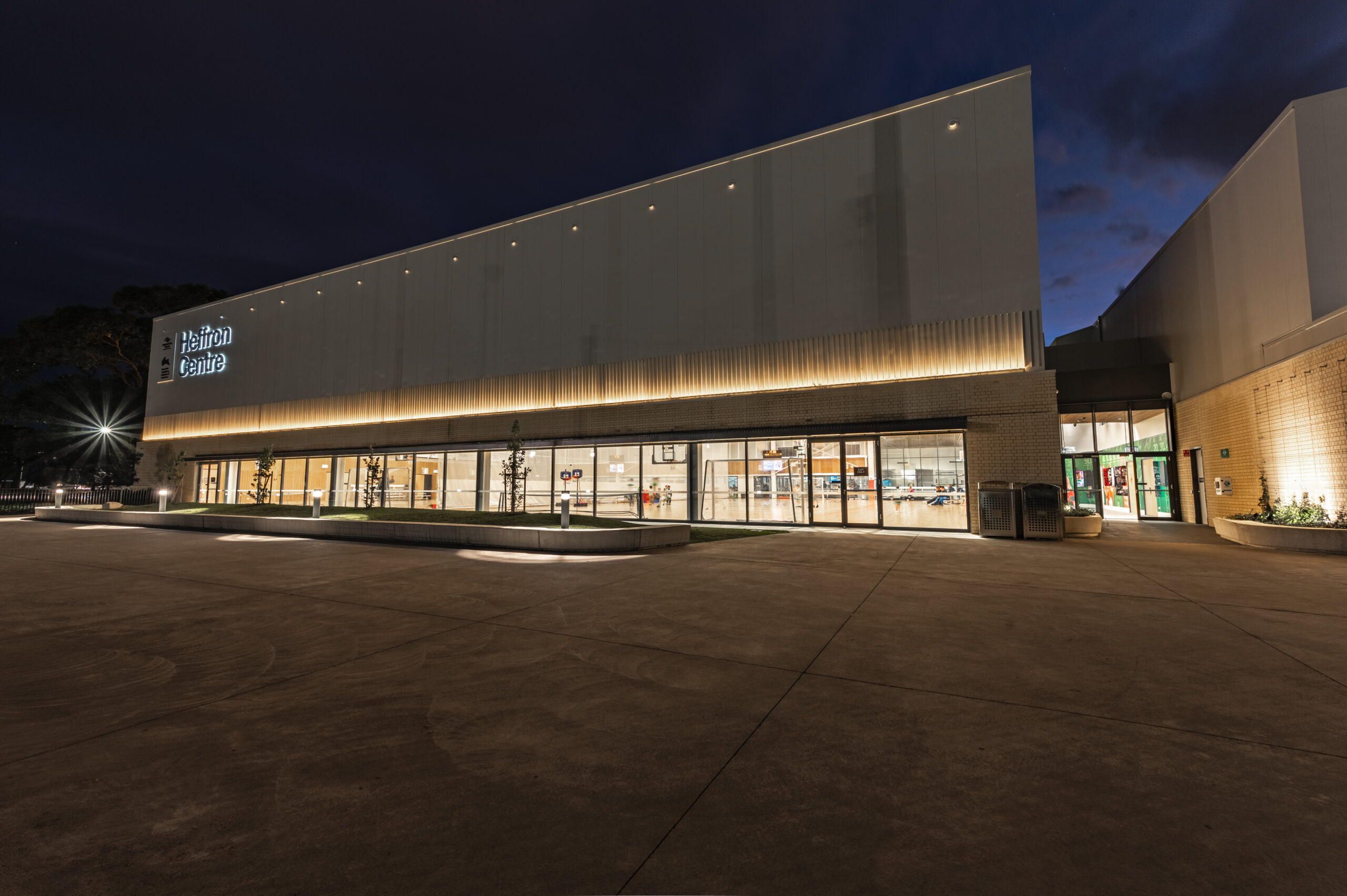
Colour Rendering Index (CRI) indicates how faithfully a light source reveals colours when compared with natural daylight. Higher CRI values generally allow colours, textures and finishes to appear more natural, making it easier to appreciate the true character of a space after dark.
However, colour rendering is only one aspect of successful lighting design. The overall visual experience is shaped by many factors working together, including optical performance, beam control, colour temperature, glare management and thoughtful luminaire placement.

Why CRI 80 Is the Preferred Choice for Most Projects
For most architectural outdoor applications, CRI 80+ provides an excellent balance of colour quality, energy efficiency and overall performance.
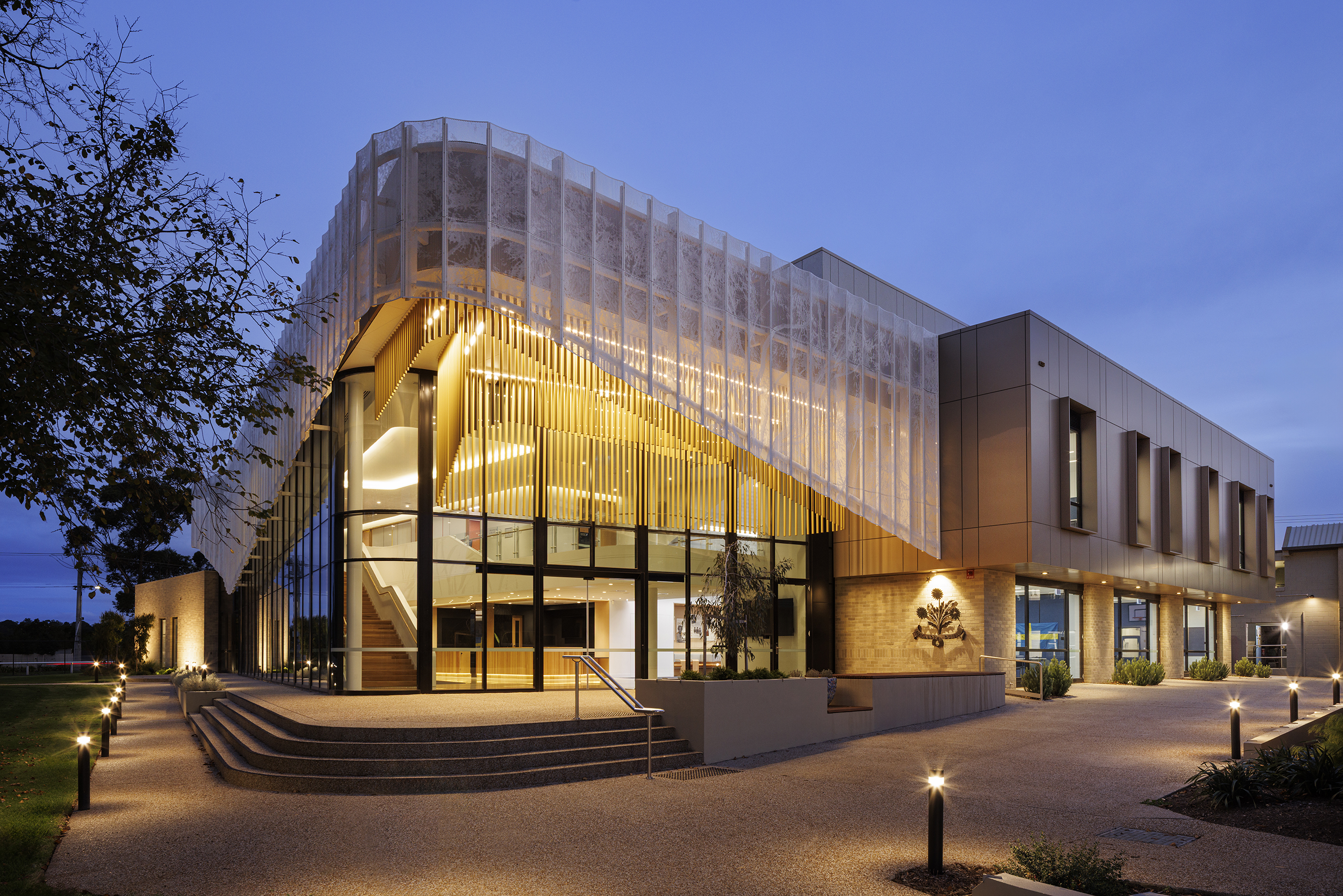
Rather than simply specifying the highest CRI available, many projects benefit from selecting the most appropriate solution for the application. CRI 80+ delivers natural-looking colours across a wide range of environments, from illuminating building façades and landscape features to enhancing pedestrian spaces, hospitality venues and residential developments.
When combined with quality optics and a well-considered lighting design, CRI 80+ creates comfortable, visually appealing environments while maintaining the efficiency expected from modern LED lighting.
When Should You Consider CRI 90+?
Some projects place a greater emphasis on colour accuracy, making a higher CRI a worthwhile consideration.
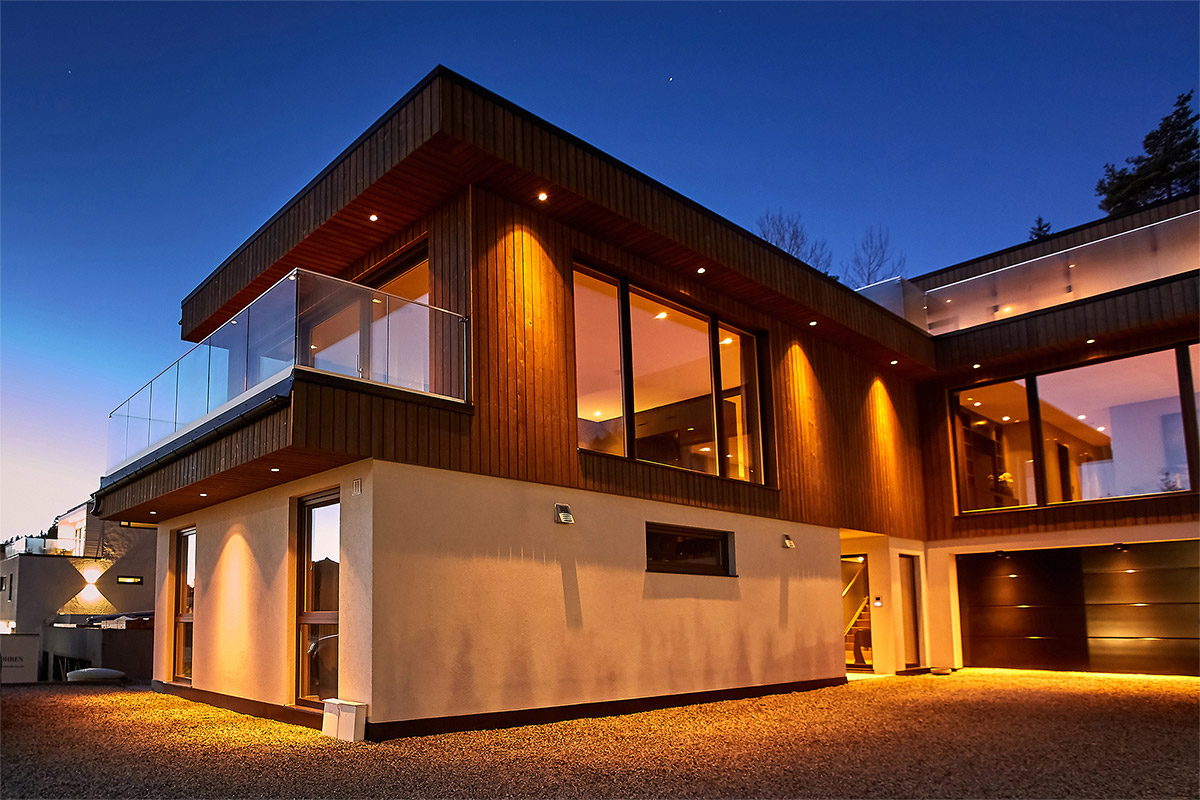
Luxury hospitality venues, premium residential developments, heritage buildings and public art installations are all examples where subtle colour variation and material detail can contribute to the overall design outcome.
Some project specifications may also call for higher CRI in security or surveillance environments, where improved colour distinction can support camera performance and visual identification.
Ultimately, the right specification depends on the project's objectives rather than simply selecting the highest available rating.
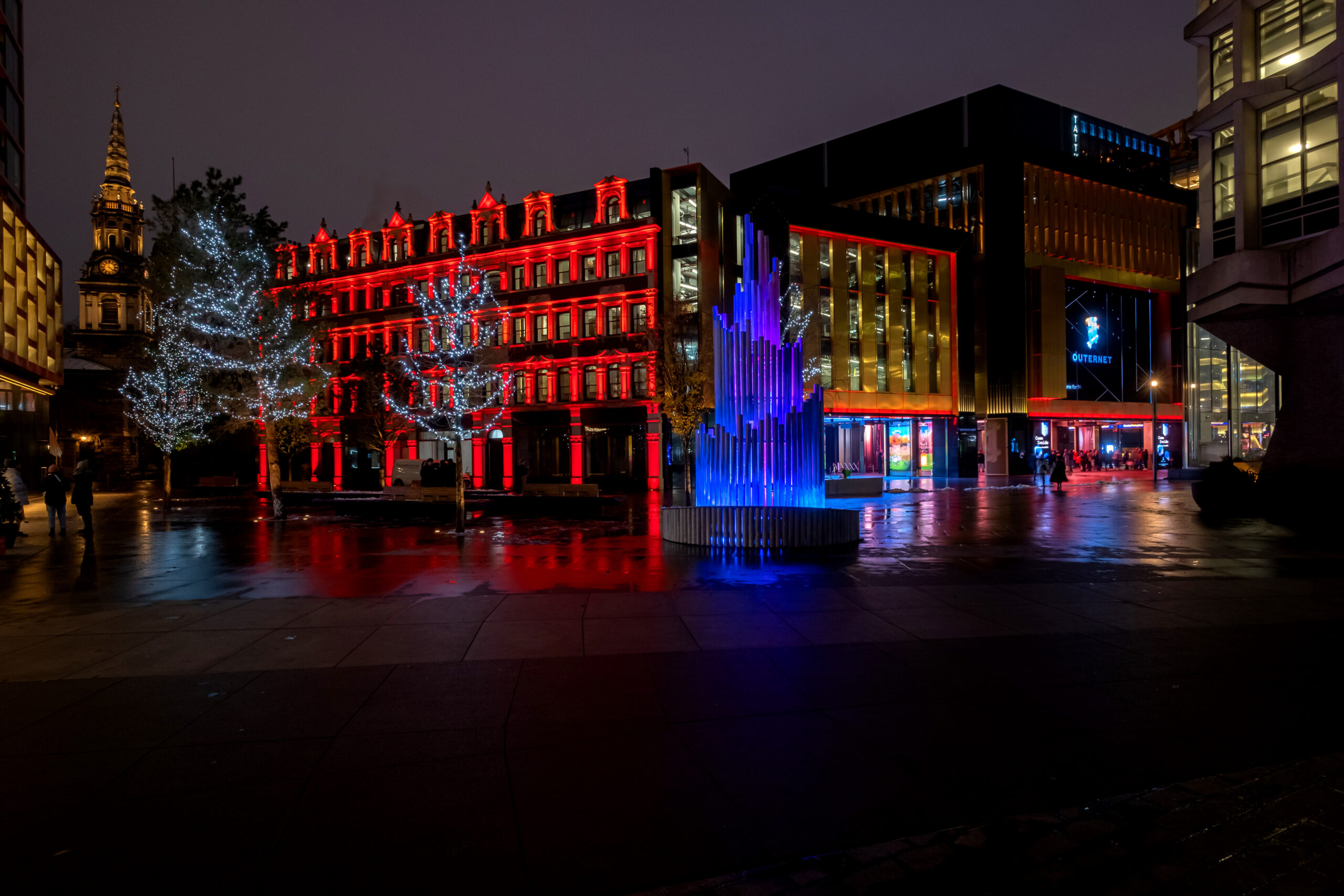
Great Lighting Is About the Complete Picture
While CRI is an important performance metric, it should be considered alongside the broader elements that influence how a space looks and feels.
Beam angles, light distribution, optical control, colour temperature, glare management and luminaire positioning all contribute to the final result. A successful outdoor lighting design balances these elements to create spaces that are comfortable, functional and visually engaging.