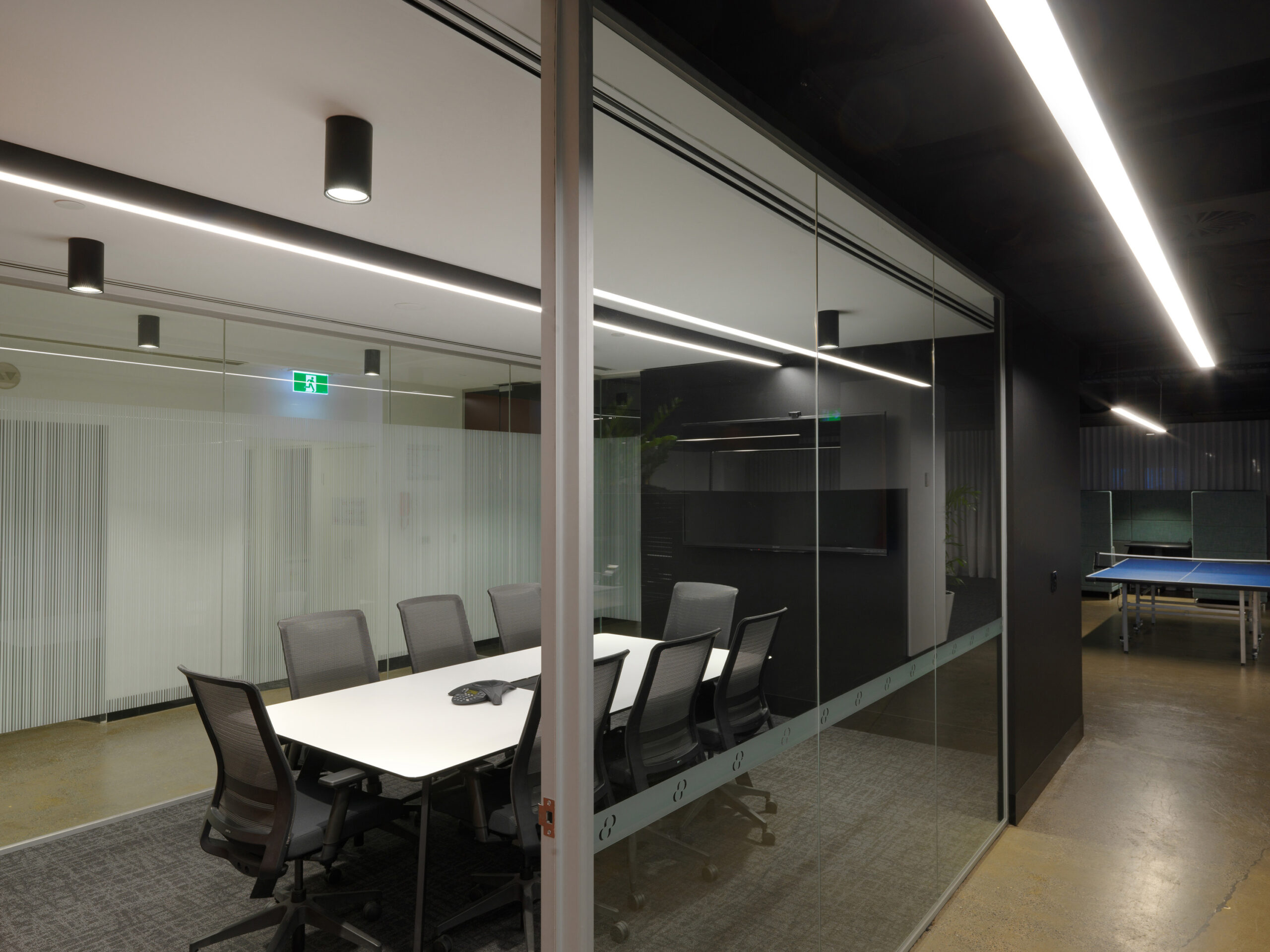
Office lighting plays an increasingly important role as research studies prove lighting is deeply linked to our physical, cognitive and wellbeing levels.
Increasing people’s sense of wellbeing as well as enhancing productivity and safety is paramount to employee satisfaction, retention and productivity.
There are three very important factors to consider when completing an office lighting solution; performance, efficiency and comfort.
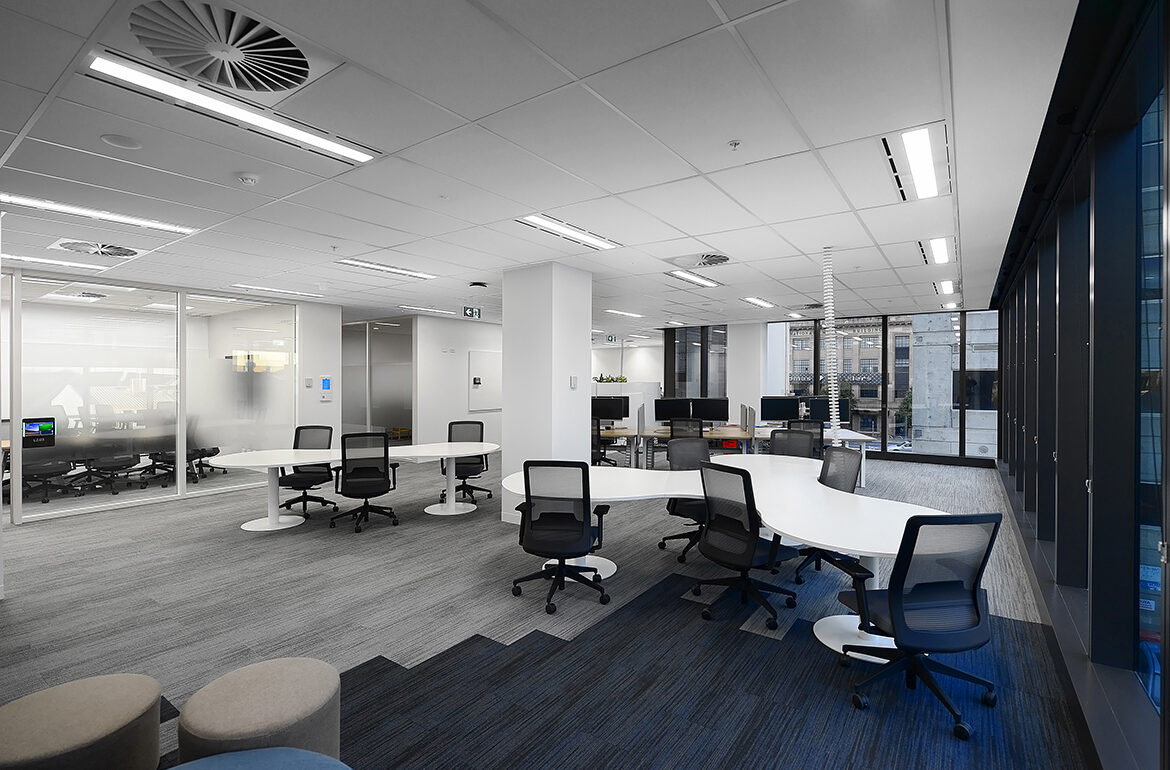
Performance is the overall light quality for the working environment including visual comfort, task visibility, contrast, glare free, uniformity and colour rendering. Combining direct and indirect light sources allows us to achieve perfect light levels for the various spaces and task related activities within the workplace.
Efficacy is critical in achieving sustainability targets. An efficient fitting will provide the right light levels with minimal light loss. High efficacy luminaires require fewer light fittings, resulting in lower costs and associated maintenance expenses.
With offices operating for long hours a day, the integration of control systems provides the flexibility needed to meet the demands of the commercial sector. Technologies such as zoning controls, daylight detection and motion controls significantly reduce operational and maintenance costs.
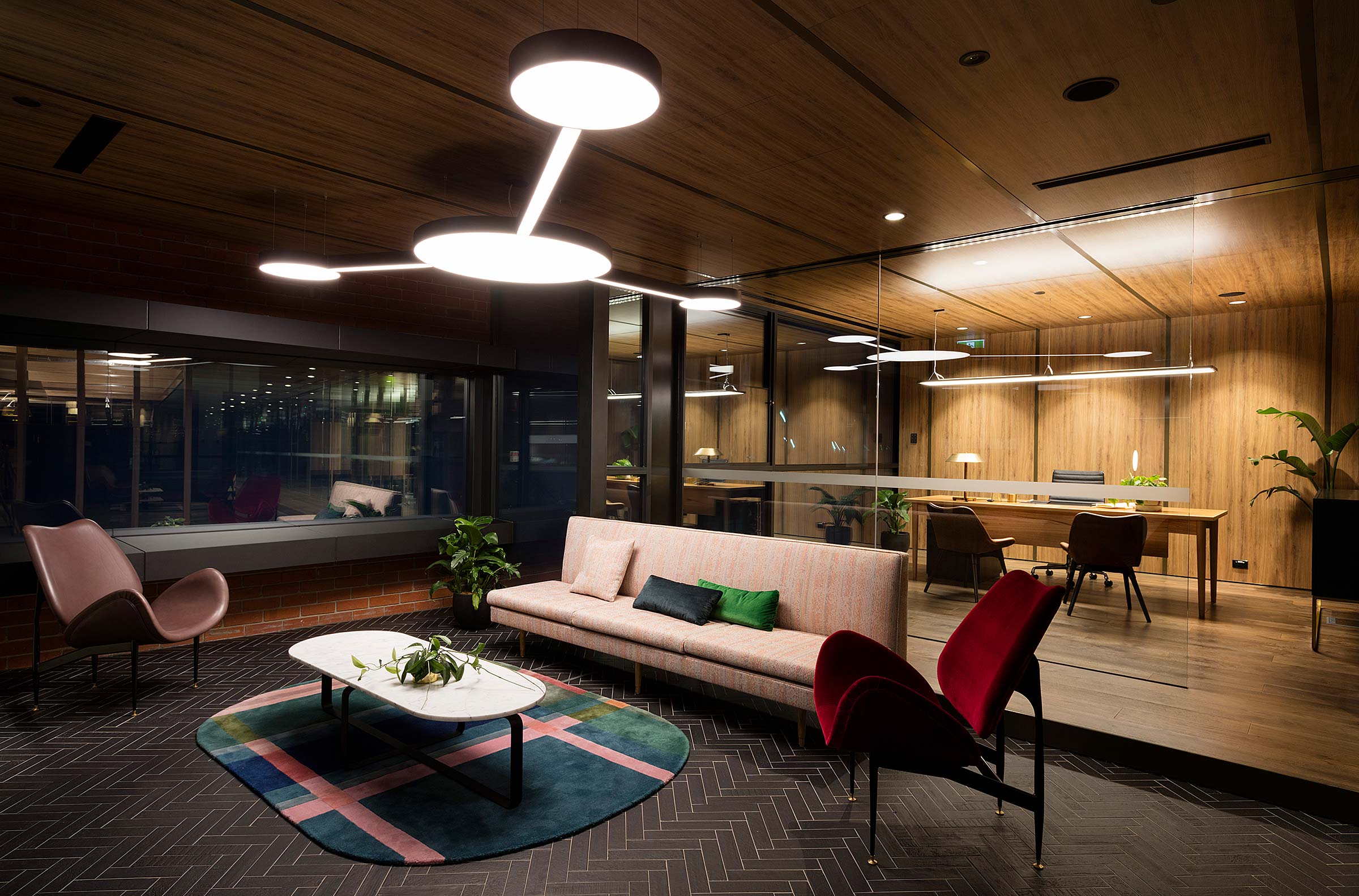
Comfort is the most subjective and dependant on factors such as natural light. Consideration needs to be given to balance, tranquillity, security and safety. Lighting that can be adjusted to the user’s personal preference by means of colour temperature variation and control systems can have a positive effect on the productivity and the wellbeing of employees.
The importance of good office lighting is evident for us all. Providing a space with the appropriate light levels makes staff feel safe, engaged and secure. For landlords and building managers, concentrating on the importance of office lighting can be beneficial to them as it can increase tenant satisfaction and maximising the value of their investment.
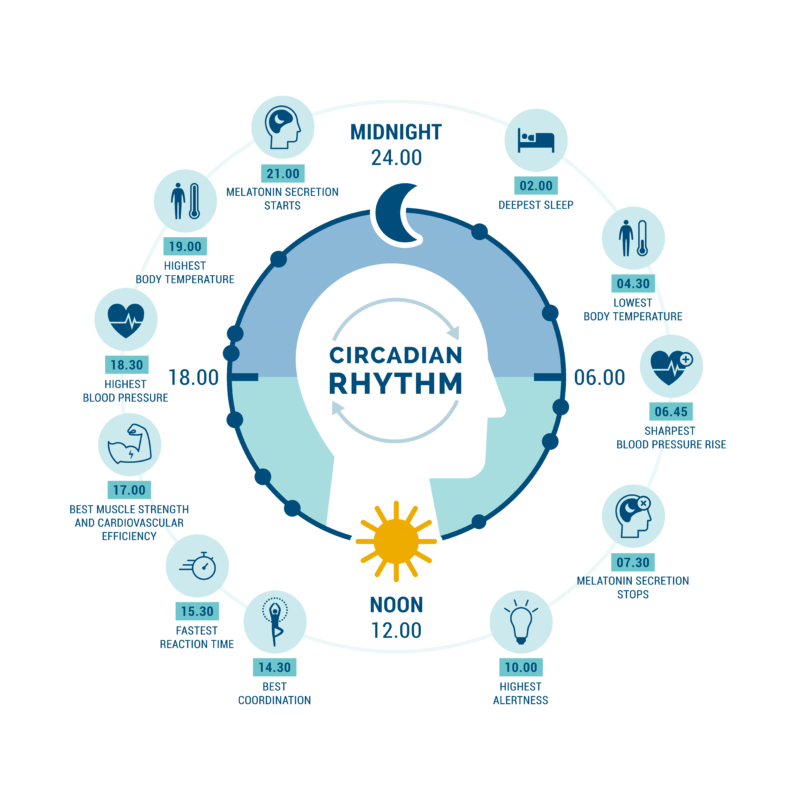
As the concept of a workspace advances, more people are recognising the importance of health and well-being within an office setting. Human centric lighting (HCL) examines the effects of lighting on the human body’s natural circadian rhythm. It can enhance our well-being, productivity, mood and comfort in a working environment. Our circadian rhythm is our body’s natural clock that regulates our daily sleep-wake routine. This is greatly influenced by the amount of light reaching our eyes.
In recent years, we have become accustomed to spending most of our time indoors. As a result of this lifestyle change, we typically spend less time in natural light, which impacts our circadian rhythms. Office workers can be working under the same conditions without any reference to what time of the day it is. One of the advantages of human centric lighting is how it can emulate natural lighting to align with the circadian rhythms of the occupants using the space. By incorporating dynamic human centric lighting solutions into your workplace setting, you are able to customise the lighting to your specific needs throughout the day.
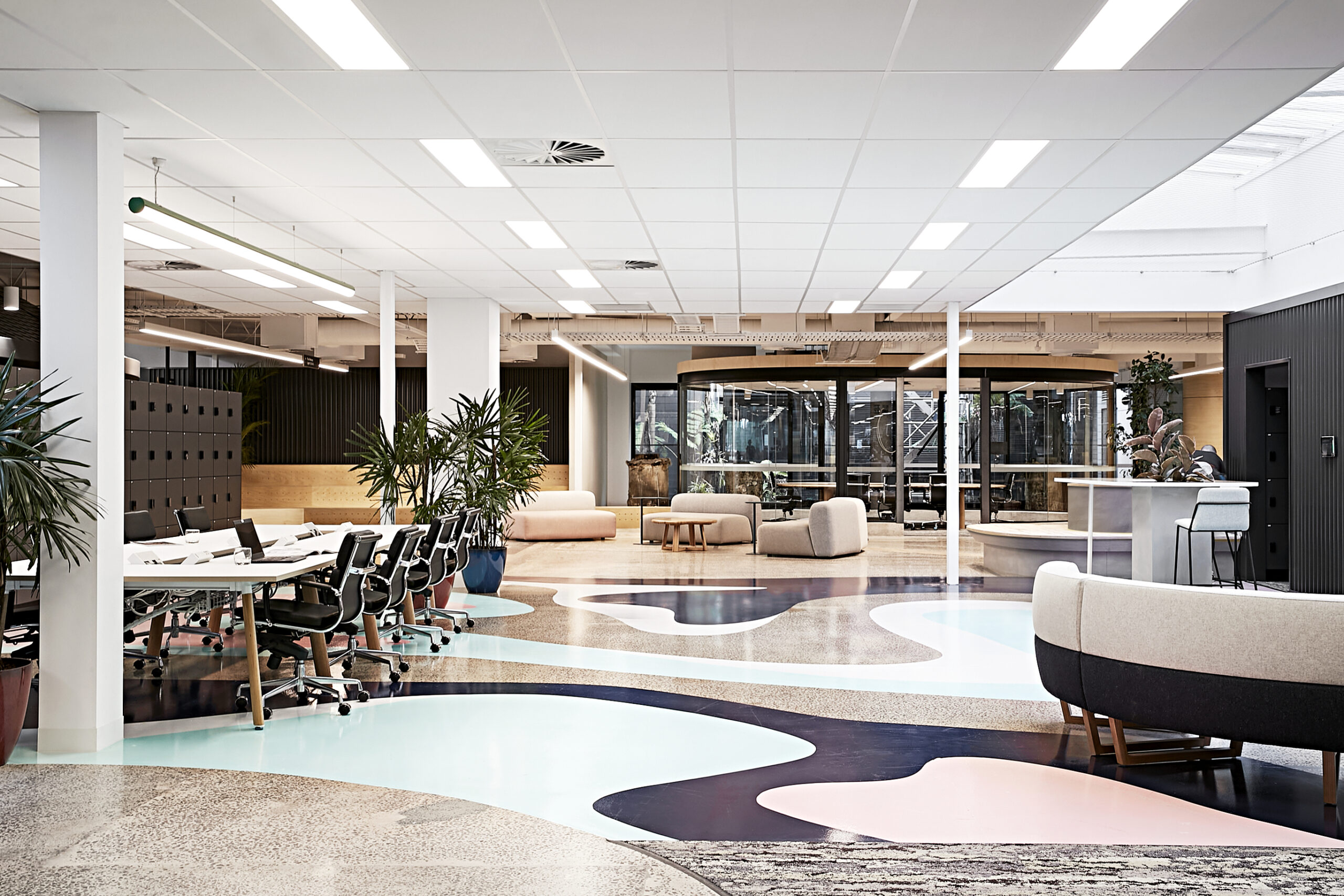
Human centric lighting is created by changing the colour and intensity of white light. As it can be adjustable, a range of colour temperatures can be selected and controlled at the touch of a button. It is recommended to use a warmer relaxing light with lower intensity in the early morning and towards the evenings. The amber tones can create a welcoming and calming mood at the end of the day and prevent interruptions to our nocturnal relaxation time. During the typical workday hours, a cooler crisper light is recommended to make us feel energised and stimulated.
The use of human centric lighting is not only suitable for offices, it’s important in the education and healthcare sectors. It is one of the closest alternatives to providing natural lighting indoors. At LPA, we value people’s sense of well-being and believe in our approach to creating a sustainable workplace for the future. Contact our team today if you’re interested in incorporating human centric lighting solutions into your workplace.
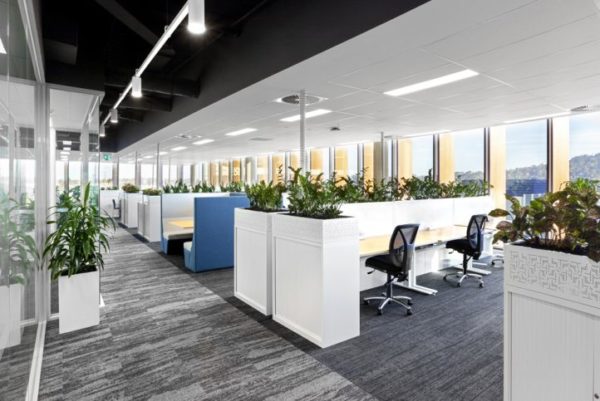
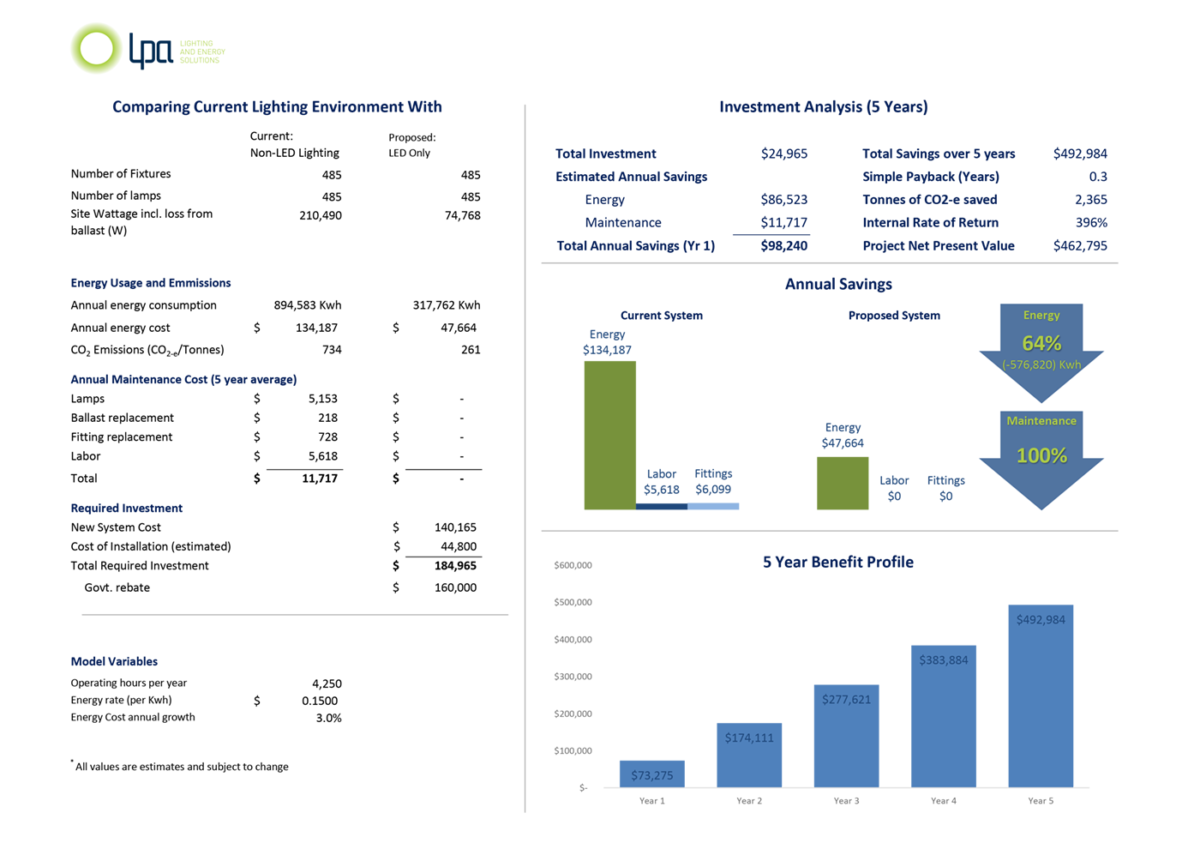
Lighting is one of the largest consumers of energy in commercial buildings. In a workplace, reducing energy consumption not only benefits the environment, it can improve productivity, performance and our well-being. A simple lighting retrofit can make a significant difference to your energy consumption and the occupants in your building. There are several benefits when it comes to upgrading your lights. We’ve put together some options on how you can improve your workplace for the better:
Why you should make the switch to LED?
In the last decade, we’ve seen LED technology revolutionise the global lighting market. There are many advantages to upgrading to LED lighting. LEDs are energy efficient and produce high quality light. They have a longer operating life span with fewer replacements and maintenance. LED lights can be beneficial to our health and well-being to improve productivity, morale and safety. They use significantly less energy than fluorescent, halogen and incandescent lights which can cause eye strain, glare and headaches. LEDs are flicker free and improves reliability. Switching to LEDs lights in your office can effectively compensate for high energy costs and eliminate the risk of maintenance associated with replacing traditional lighting.
Smart Lighting Controls
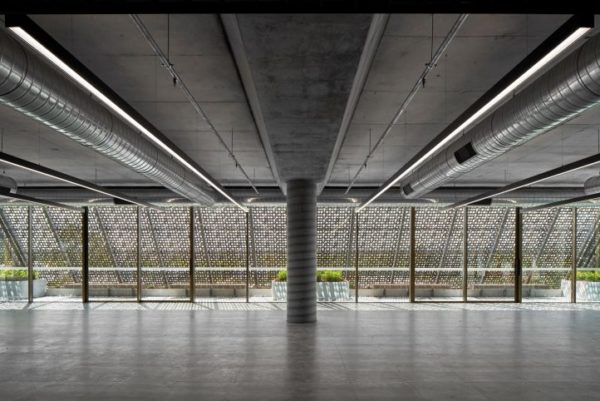
Another effective way to save energy is to integrate intelligent smart lighting controls and sensors throughout your office. LED lighting solutions including wireless, daylight, dimming and sensors can be set to each individual’s preference. In some instances, they can even be controlled by your smartphone. Additional motion-sensors and timers are a great investment when it comes to saving energy. By implementing them in areas that aren’t regularly used throughout the day such as bathrooms, basements and car parks, you can ensure your lights only turn on when someone is occupying the space and turn off after a set period of time. Smart lighting solutions can guarantee greater savings on energy costs and improve your office environment in an efficient way.
Government Rebates
The Australian government offers substantial rebates for businesses and households upgrading to LED lighting under the Victorian Energy Upgrades (VEU) and NSW Energy Saving Scheme (ESS) programs. These government initiatives are designed to make energy efficient products and services more affordable and encourage sustainable practices that reduce our energy consumption. Some states offer a partial or complete subsidy for energy upgrades for those eligible under the scheme. If your site was upgraded to LED over 5 years ago and you’re experiencing a number of failed fitting due to be replaced, you may still be eligible for a rebate by upgrading your existing LEDs to a newer and more efficient ones
LPA Lighting is an accredited VEU/ESS certificate provider in Australia. We offer a range of energy efficient VEU/ESS approved products, expertise and services to supply and manage your lighting upgrades. Contact our team today to discuss how we can improve your bottom line with an energy efficient solution.
LPA’s experience and range of capabilities in lighting design and commercial solutions can put your improved energy efficiency solutions within reach. No matter your motivation, LPA can improve your energy savings, environmental impact, social responsibility or a combination of all three with a lighting upgrade. Our holistic approach means your project is managed from start to finish including all specialised activities throughout the project’s life cycle. If you are ready to upgrade your workplace, contact our team today.