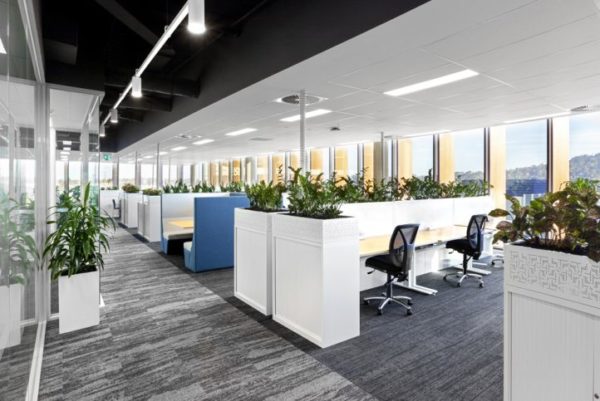
Lighting is one of the largest consumers of energy in commercial buildings. In a workplace, reducing energy consumption not only benefits the environment, it can improve productivity, performance and our well-being. A simple lighting retrofit can make a significant difference to your energy consumption and the occupants in your building. There are several benefits when it comes to upgrading your lights. We’ve put together some options on how you can improve your workplace for the better:
Why you should make the switch to LED?
In the last decade, we’ve seen LED technology revolutionise the global lighting market. There are many advantages to upgrading to LED lighting. LEDs are energy efficient and produce high quality light. They have a longer operating life span with fewer replacements and maintenance. LED lights can be beneficial to our health and well-being to improve productivity, morale and safety. They use significantly less energy than fluorescent, halogen and incandescent lights which can cause eye strain, glare and headaches. LEDs are flicker free and improves reliability. Switching to LEDs lights in your office can effectively compensate for high energy costs and eliminate the risk of maintenance associated with replacing traditional lighting.
Smart Lighting Controls
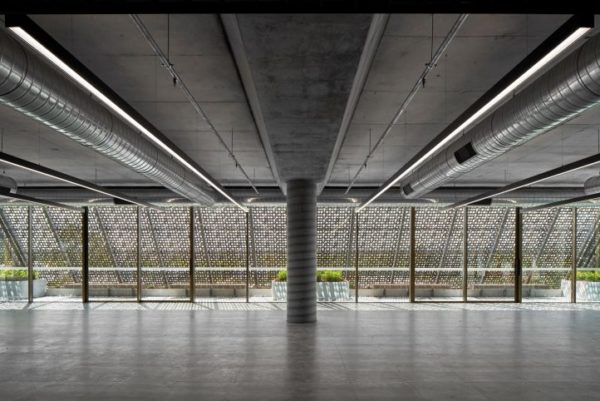
Another effective way to save energy is to integrate intelligent smart lighting controls and sensors throughout your office. LED lighting solutions including wireless, daylight, dimming and sensors can be set to each individual’s preference. In some instances, they can even be controlled by your smartphone. Additional motion-sensors and timers are a great investment when it comes to saving energy. By implementing them in areas that aren’t regularly used throughout the day such as bathrooms, basements and car parks, you can ensure your lights only turn on when someone is occupying the space and turn off after a set period of time. Smart lighting solutions can guarantee greater savings on energy costs and improve your office environment in an efficient way.
Government Rebates
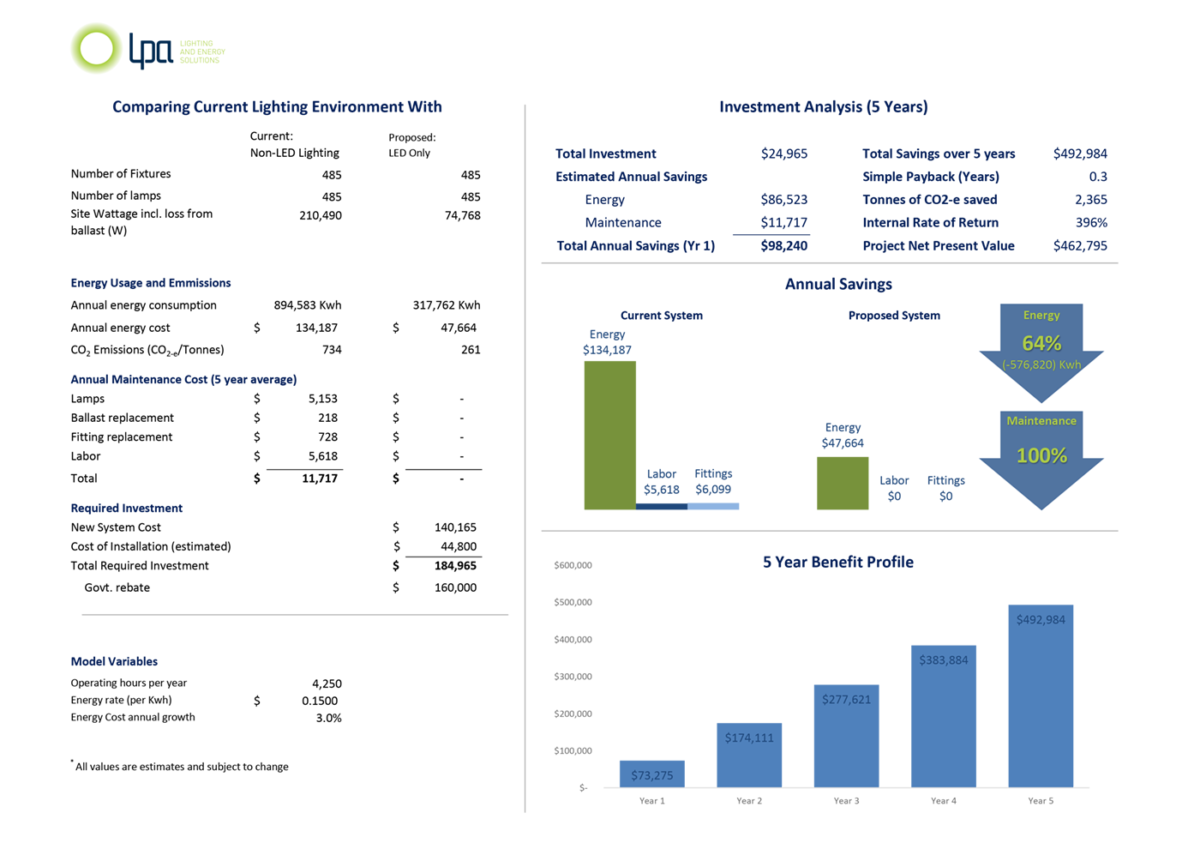
The Australian government offers substantial rebates for businesses and households upgrading to LED lighting under the Victorian Energy Upgrades (VEU) and NSW Energy Saving Scheme (ESS) programs. These government initiatives are designed to make energy efficient products and services more affordable and encourage sustainable practices that reduce our energy consumption. Some states offer a partial or complete subsidy for energy upgrades for those eligible under the scheme. If your site was upgraded to LED over 5 years ago and you’re experiencing a number of failed fitting due to be replaced, you may still be eligible for a rebate by upgrading your existing LEDs to a newer and more efficient ones
LPA Lighting is an accredited VEU/ESS certificate provider in Australia. We offer a range of energy efficient VEU/ESS approved products, expertise and services to supply and manage your lighting upgrades. Contact our team today to discuss how we can improve your bottom line with an energy efficient solution.
LPA’s experience and range of capabilities in lighting design and commercial solutions can put your improved energy efficiency solutions within reach. No matter your motivation, LPA can improve your energy savings, environmental impact, social responsibility or a combination of all three with a lighting upgrade. Our holistic approach means your project is managed from start to finish including all specialised activities throughout the project’s life cycle. If you are ready to upgrade your workplace, contact our team today.
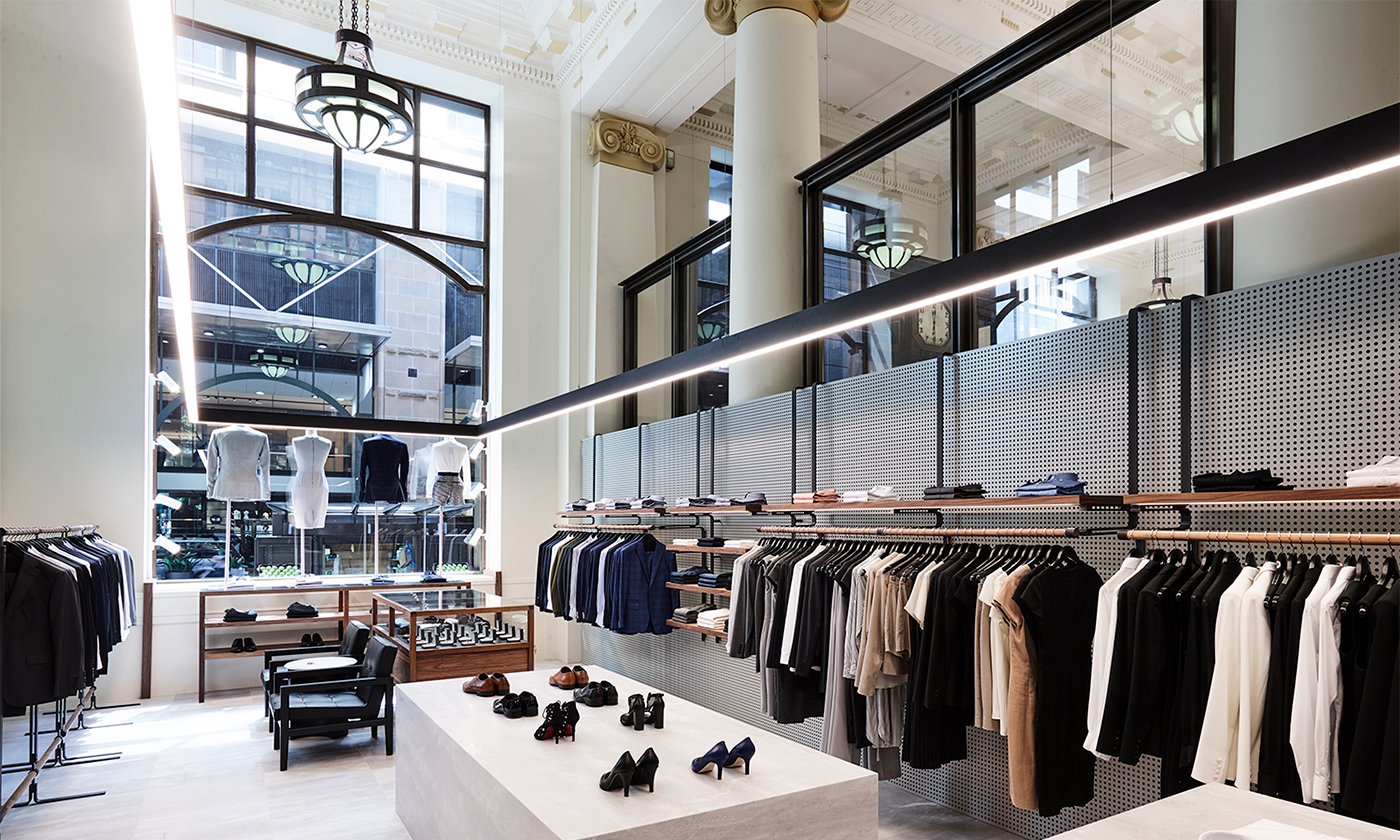
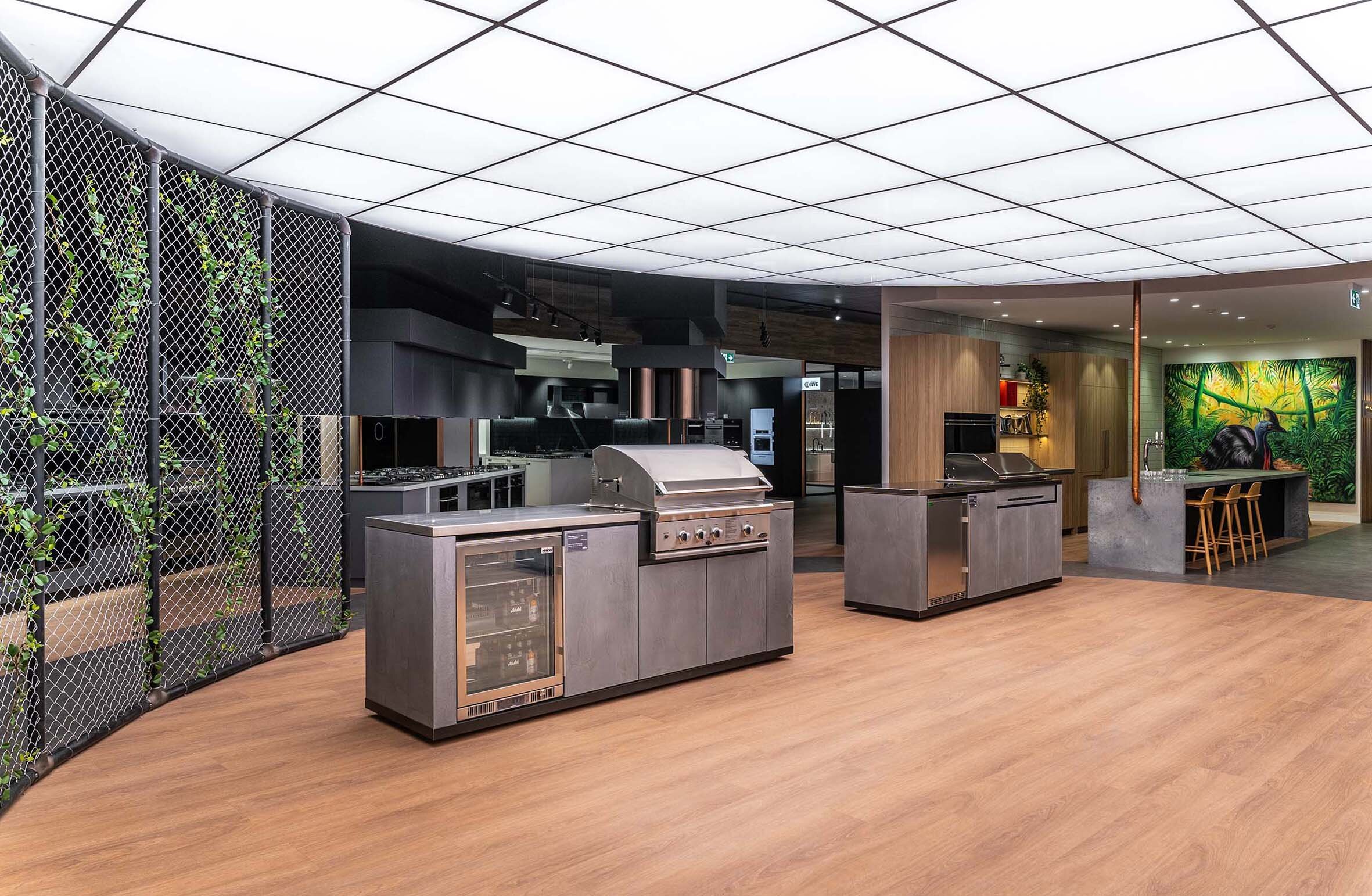
Lighting plays a significant role in every aspect of the retail experience from brand and product perception to consumer involvement. With consumers behaviour shifting towards online shopping, physical stores are forced to rethink their business models to remain viable. Lighting can be a strategically fundamental element when designing for a retail space. The right lighting can set the mood for your customers, create hierarchy among your products, impact customer’s behaviour and make the shopping experience an enjoyable one.
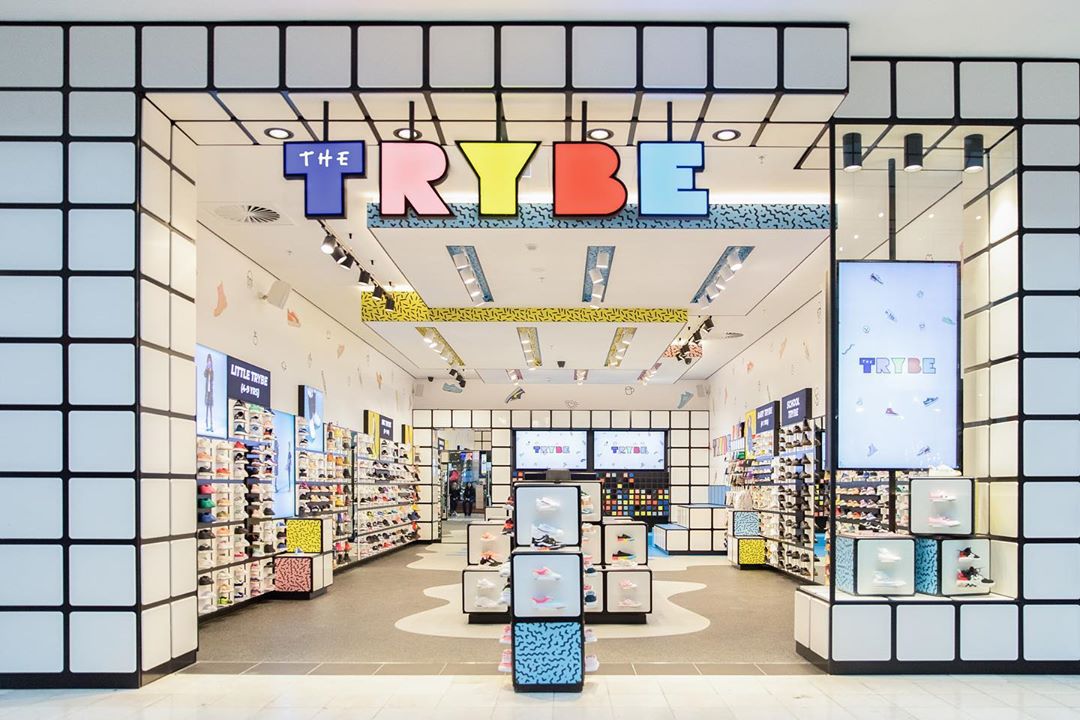
We’ve put together a list of factors to consider when designing for your retail store layout:
- Branding – Lighting can define your brand and store image. It can be a place to build a personal connection with the consumer. Brands have the ability to tell their story, target specific groups and differentiate themselves from another brand. If there’s a store roll out, the lighting can be kept consistent across your brand and become recognisable to customers.
- Lighting Techniques – Layering your lighting will add dimension to your store. Consider task, ambient, accent and decorative lighting for the different retail zones. Good lighting creates a quiet background for your store design to shine. This lighting approach can create a balanced illumination and avoid it looking flat.
- Colour Temperature – Lights with a high CRI rating are effective in presenting the quality and true characteristic of a store’s merchandise or goods. The colour temperature can create a soft warm illumination for a relaxing atmosphere or a bright cool lighting for maximum visibility of the products. We recommend keeping the colour temperature the same throughout the store for a consistent flow.
- Hierarchy – Establishing a hierarchy and highlighting key products can encourage consumer purchases.
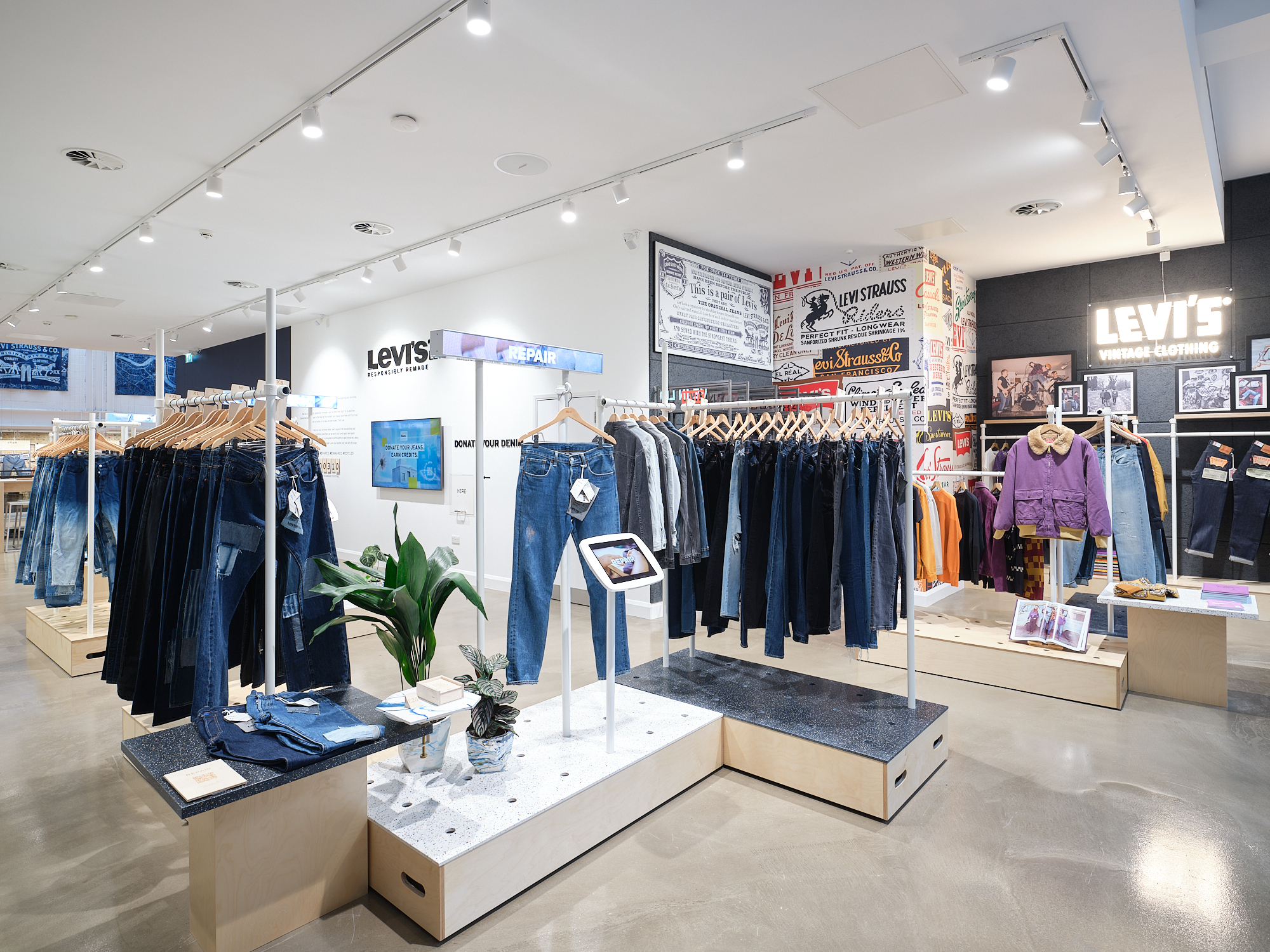
- Versatility – A key consideration when it comes to retail lighting is versatility. The window displays and product displays can be constantly changing to keep the consumers engaged. Adjustable track mounted fittings provide a solution for this changing environment. There are a variety of lighting options when it comes to dimming, colour temperatures, beam angles and finishes.
- Ambience – Lighting can determine the ambience of a store. A pleasant and relaxing shopping experience can prolong the amount of time customers spend there. Finding the right ambience can also entice customers to visit again.
- Contrast – Darkness is just as important as brightness. Adding contrast and depth to the store lighting will allow you to focus on products and key brand messaging.
- Energy Efficiency – Using energy efficient luminaires in your retail store can save energy and reduce overhead costs. It’s a long-term investment that pays off over a few years.
When it comes to designing the perfect shopping experience, lighting is perhaps the most important element. There isn’t one standardised formula that works for every store. But the points above will help you to think about some of the lighting decisions you can make throughout the design process.
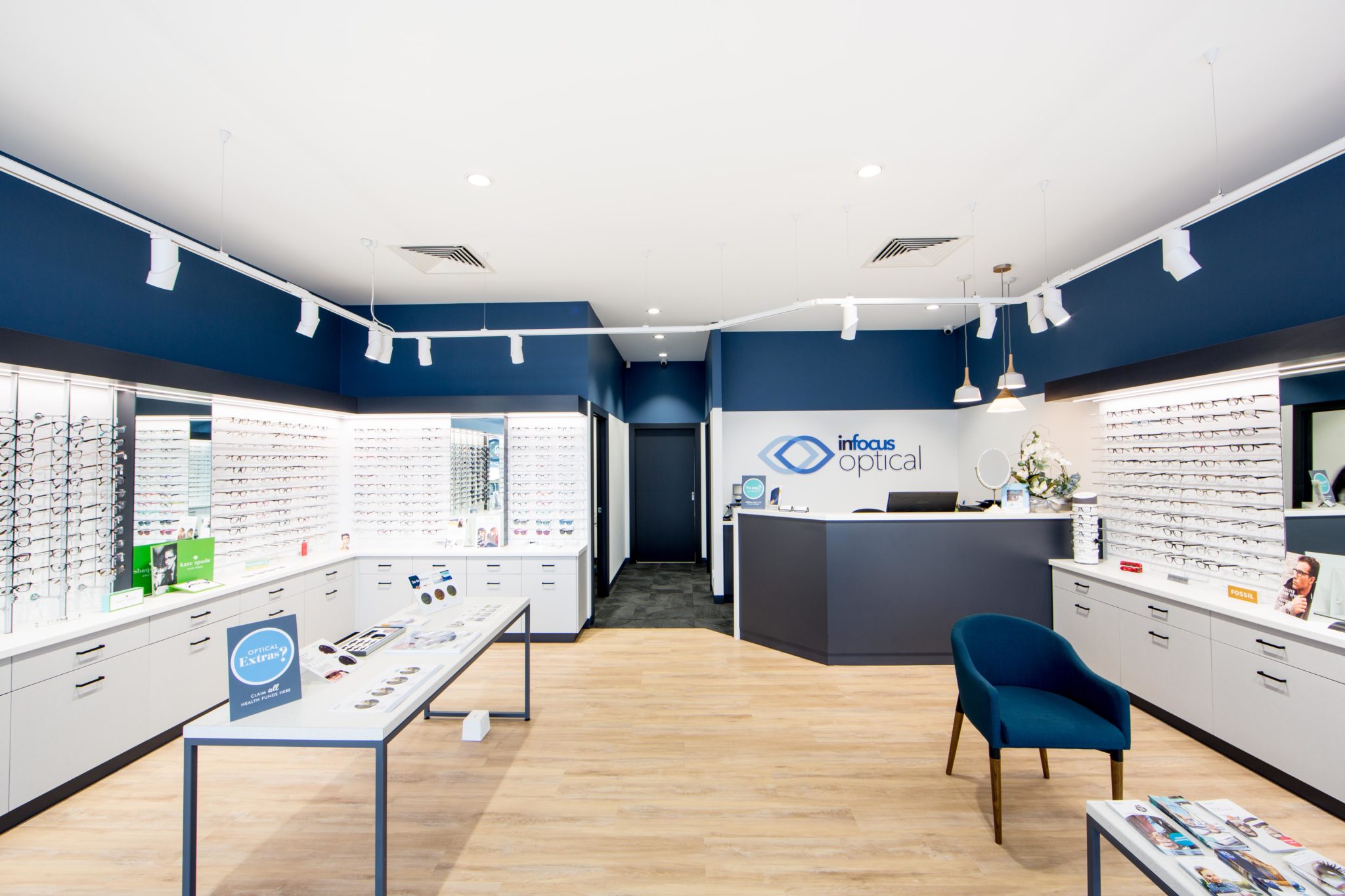
When designing for a retail store, the lighting you select can be an important component to your brand strategy. A store’s lighting can influence a customer’s decision to enter the store, determine how long they spend there and impact their purchasing behaviour. There are different lighting strategies and styles to achieve a variety of shopping experiences.
Here are some guidelines to determine the best type of lighting for each retail zone:
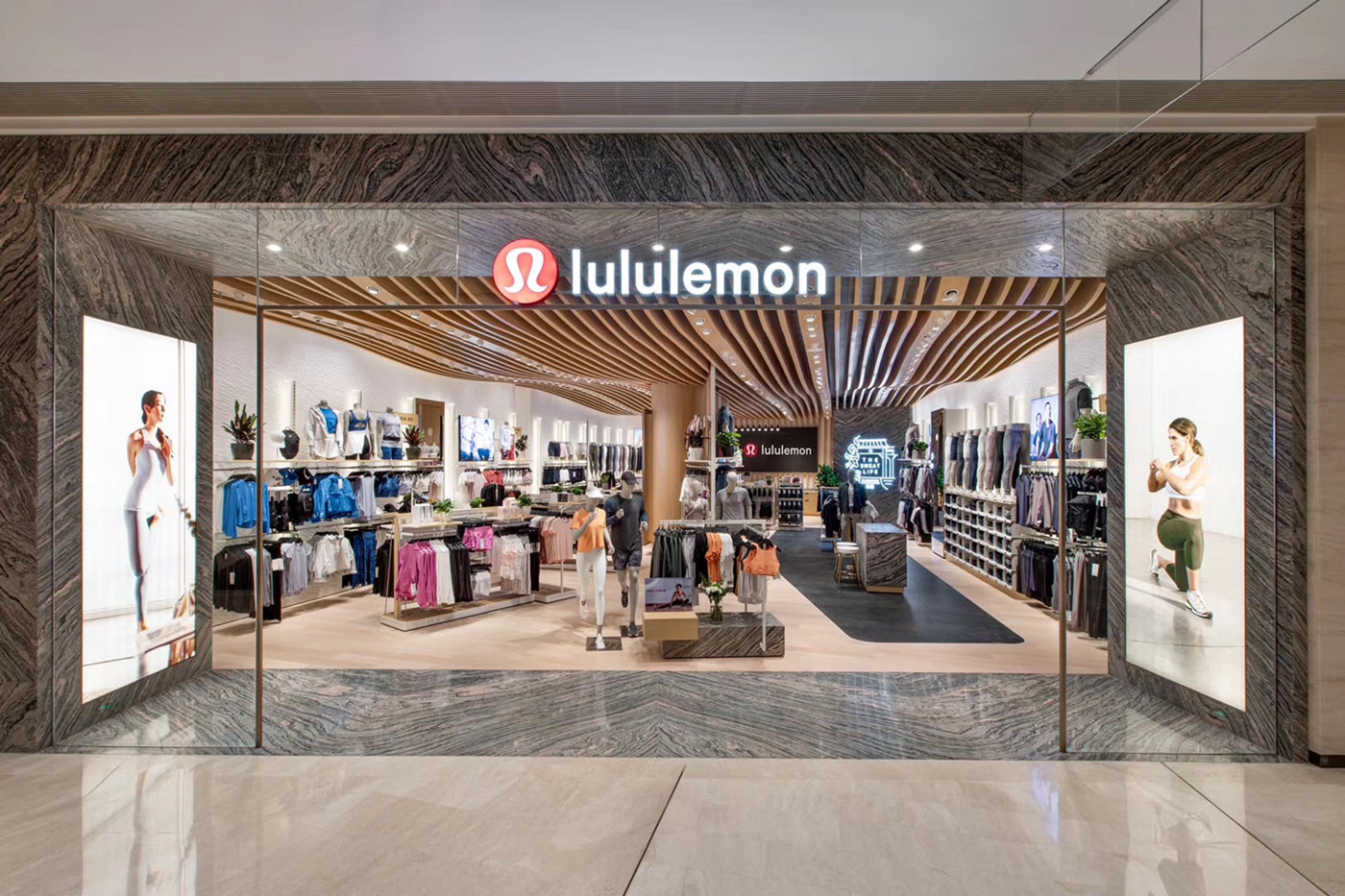
Window Displays & Shopfronts
First impressions count when it comes to the window displays of a store. We want to excite customers, draw them in and keep them engaged. A shopfront that is visually appealing and informative is a great way to catch the eye of passers-by and let them know what kind of goods and services to expect. A key consideration for this space is versatility and contrast. Window displays are constantly changing to keep consumers engaged. We recommended adjustable track lights, decorative pendants or adjustable downlights to create a variety of display options.
Checkout Registers & Point of Sales Stations
The checkout registers are key zones for customers as they make a purchase. Consider low-glare task lighting to avoid glare from the screens as staff carry out transactions in an efficient manner. It’s also a good opportunity for impulsive last-minute buys, so ensure the product displays are well illuminated at the counter.
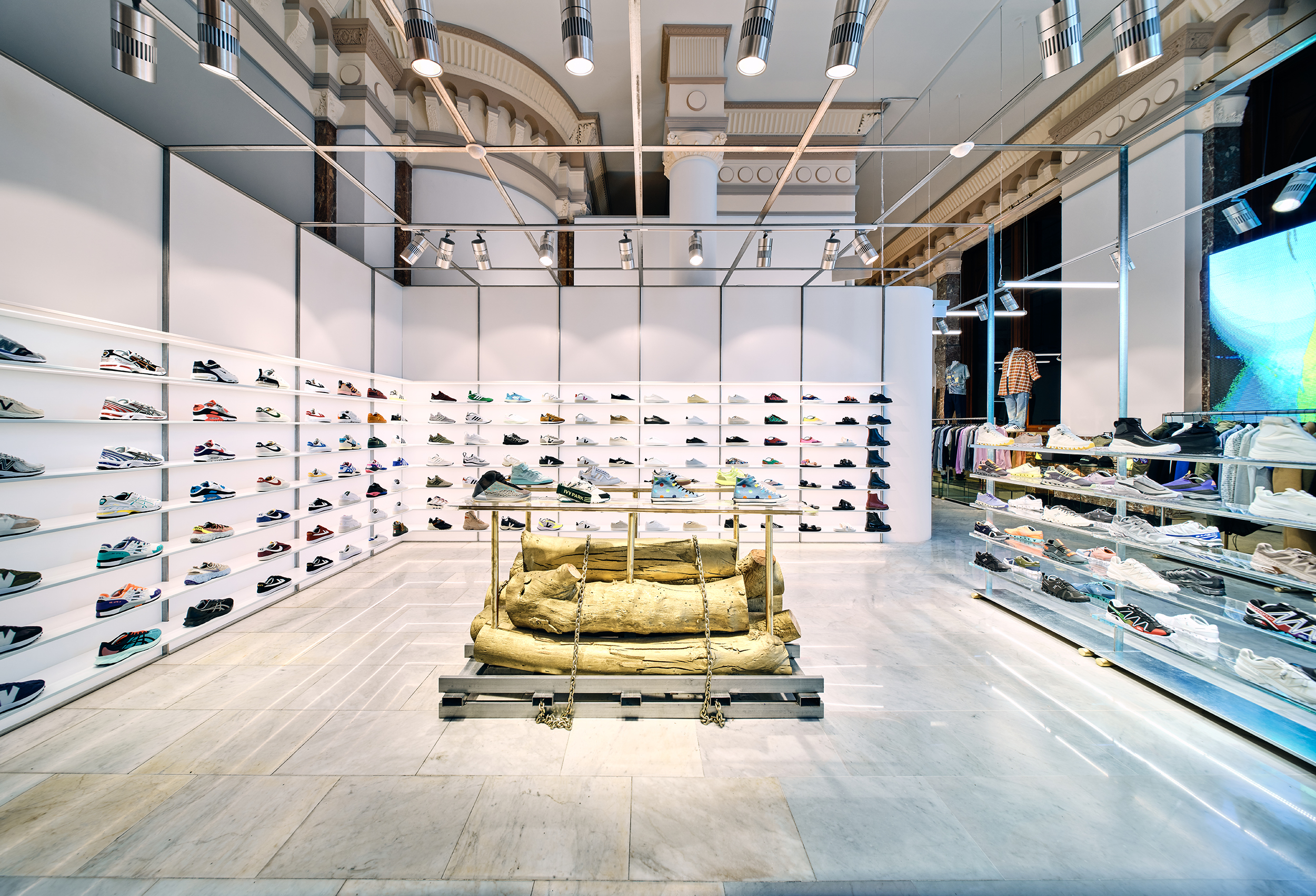
Visual Merchandise & Product Displays
Using multiple sources of light in your retail store allows you to create contrast among your products. We recommend using accent lighting and backlighting to indicate the importance of products to customers. They are able to see the details of the product up close and keep customers lingering there. When placed strategically, they can guide the customer’s eye to where you want them to go. The illuminance level for accent lighting is typically higher than those used in general lighting areas. Consider adjustable track lights, cabinet and shelving lights and wall lights for product displays. The placement of displays also plays an important part in your store design. If you want to encourage your customers to venture deeper into the store, place them in the middle or towards the back.
Sales Floor
Lighting can brighten up the sales floor experience for customers. It can determine the ambience of the store and craft customer sentiment. Customers should feel comfortable and relaxed in the space. We recommend creating contrast but uniformed lighting for large sale floor areas. It can guide customers around the store to focus on your key merchandise. Wall washing is another great option to create a sense of space and depth.
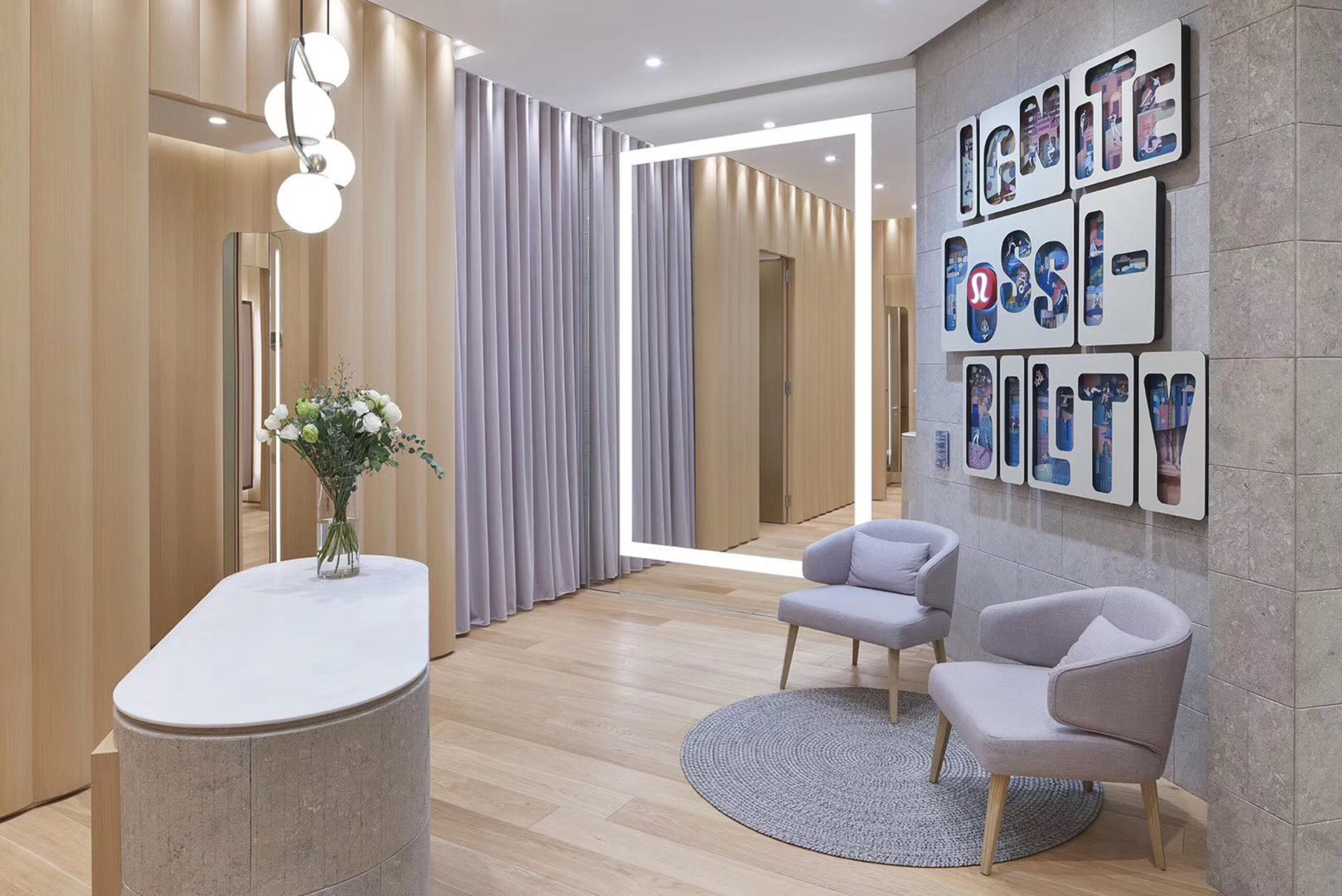
Fitting Rooms
Often one of the most neglected zones, fitting rooms can be uncomfortable confined spaces with little to no natural light. The lighting should be flattering and create a positive experience for customers as they’ll evaluate whether to purchase the item or not. Colour rendering is crucial when it comes to fitting rooms. A recommended CRI<90 in a warmer colour temperature is best to accurately depict the colours of the item. Using a combination of front lighting illuminates the customer’s vertical planes while a wider illumination from above to provide ambient lighting is ideal. Indirect lighting can also help to soften the shadows and shape the body in a flattering light.
Back of House
The back-of-house area is just as important as any other retail space. Look for low-glare task lighting that’s ideal for office spaces and storage rooms. This will allow staff will be able to accomplish their work effectively. In supermarket stores with food preparation or refrigeration rooms, it’s important to ensure the luminaires installed meet food standards.
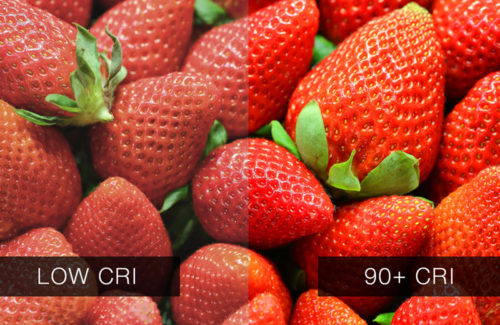
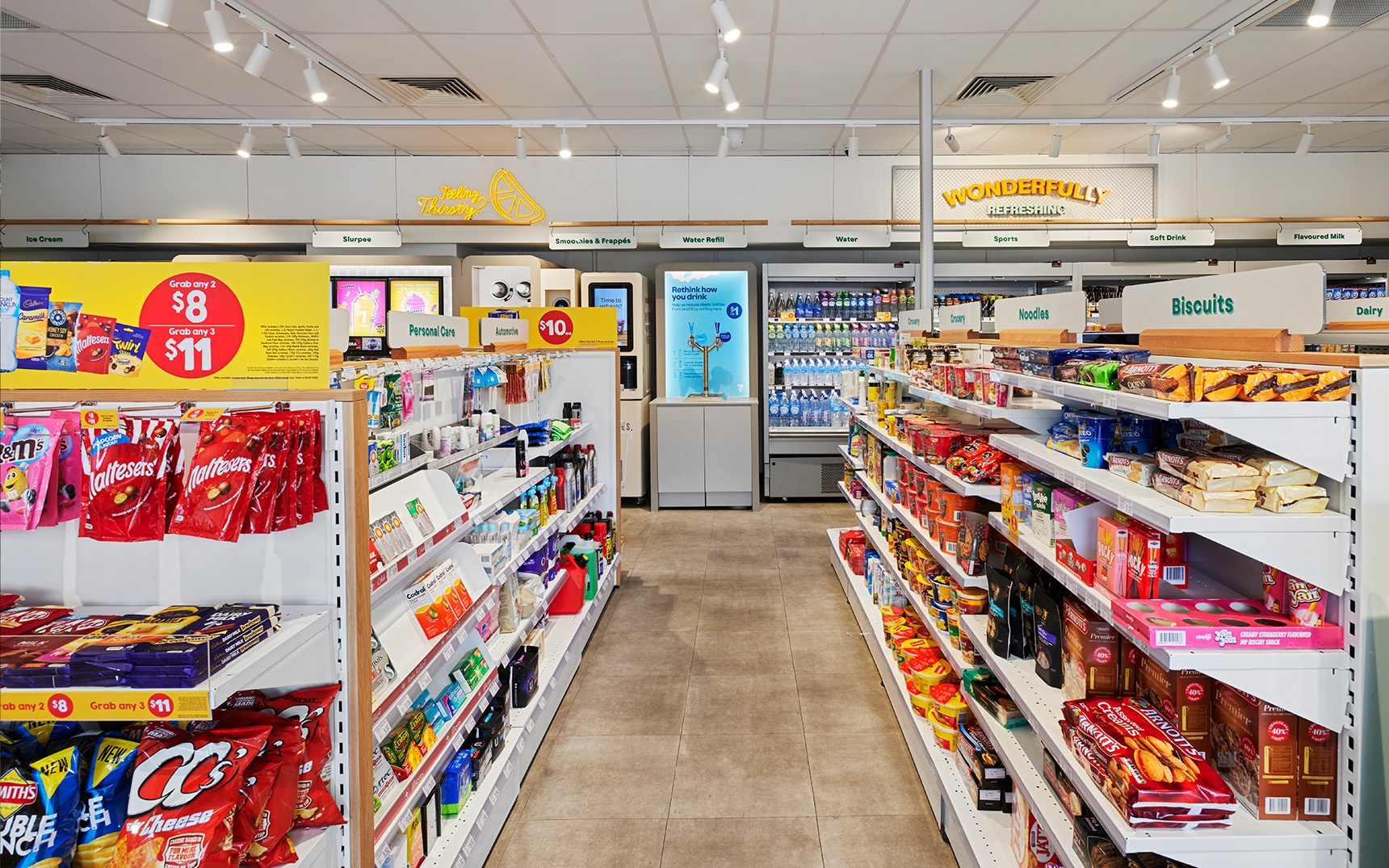
Have you ever walked into a store and noticed how some products look more vibrant and appealing under certain lights, while others seem dull and unattractive? The secret behind this visual phenomenon lies in a crucial lighting measurement called the Colour Rendering Index (CRI). As technology advances and customer expectations grow, retailers are becoming increasingly aware of the significance of CRI and its indispensable role in creating captivating shopping experiences.
Unravelling the Colours and Textures
Colour Rendering Index (CRI) is a measurement used to quantify how accurately a light source represents colours when compared to natural light. CRI is scored on a scale of 0 to 100, with a higher CRI indicating better colour rendering capabilities. When the CRI is closer to 100, the colours and textures under that light source appear more vivid and lifelike. Conversely, lower CRI scores result in colours that may appear distorted, washed out, or less true to their actual hue.
Primary Colours and the R9 Value
CRI measurement can sometimes be misleading, especially when it comes to primary colours. To gain a better understanding of colour rendering, we need to pay special attention to a specific colour within the CRI spectrum – reds. Reds are known to be the most difficult and expensive colours to render accurately. As such, it is crucial to check the R9 value when assessing lighting quality. The R9 value represents the rendering of red hues, and a value higher than 60 is a promising indicator of vivid reds.
Striking the Perfect Balance
While we strive for higher CRI scores to achieve impeccable colour rendering, there is a trade-off to consider. The higher the CRI of a light source, the lower its output will be. The good news is that advancements in lighting technology have significantly narrowed this gap. Today, the difference in output between CRI<70 and CRI<90 is approximately 10%, making high CRI lighting more accessible and practical for various applications.
CRI in Different Environments
The ideal CRI value depends on the specific application and environment. In office settings, where colour precision is crucial for tasks and productivity, CRI<80 is typically considered acceptable. However, as we delve into the realm of retail, where visual merchandising and customer experiences reign supreme, a higher CRI<90 is preferred. This ensures that products look their best, encouraging customers to linger and explore.
In environments such as car parks and warehouses, they prioritise functionality and efficiency over colour precision. For these applications, a CRI<70 or higher is considered adequate, as the primary concern lies in providing ample illumination for safety and convenience.
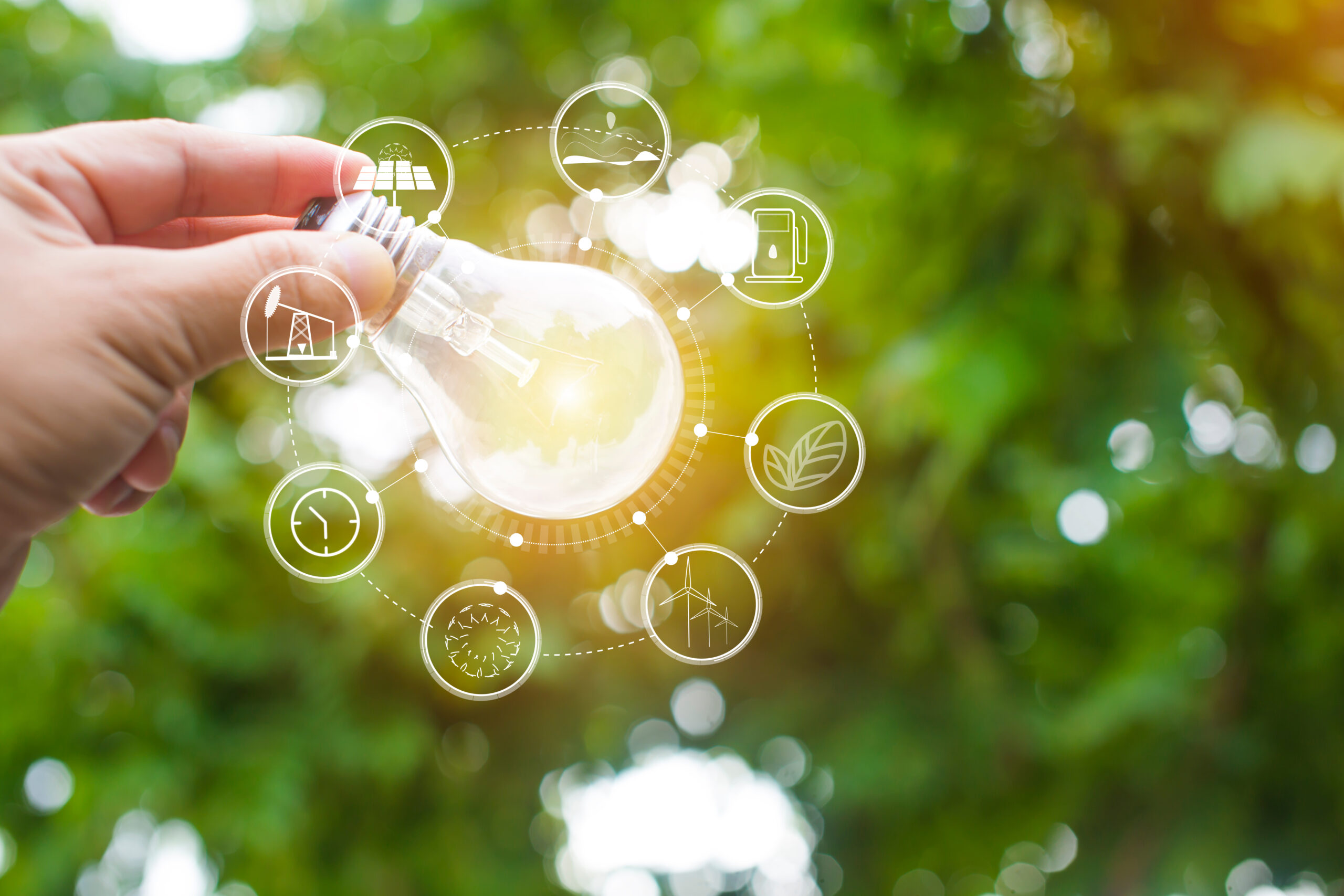
LED lighting has revolutionised the way we illuminate our spaces. Compared to traditional incandescent bulbs, LEDs offer superior energy efficiency, longer lifespans, and cooler operation. But within the world of LEDs, there’s a further level of optimization to be achieved: high-efficiency chips.
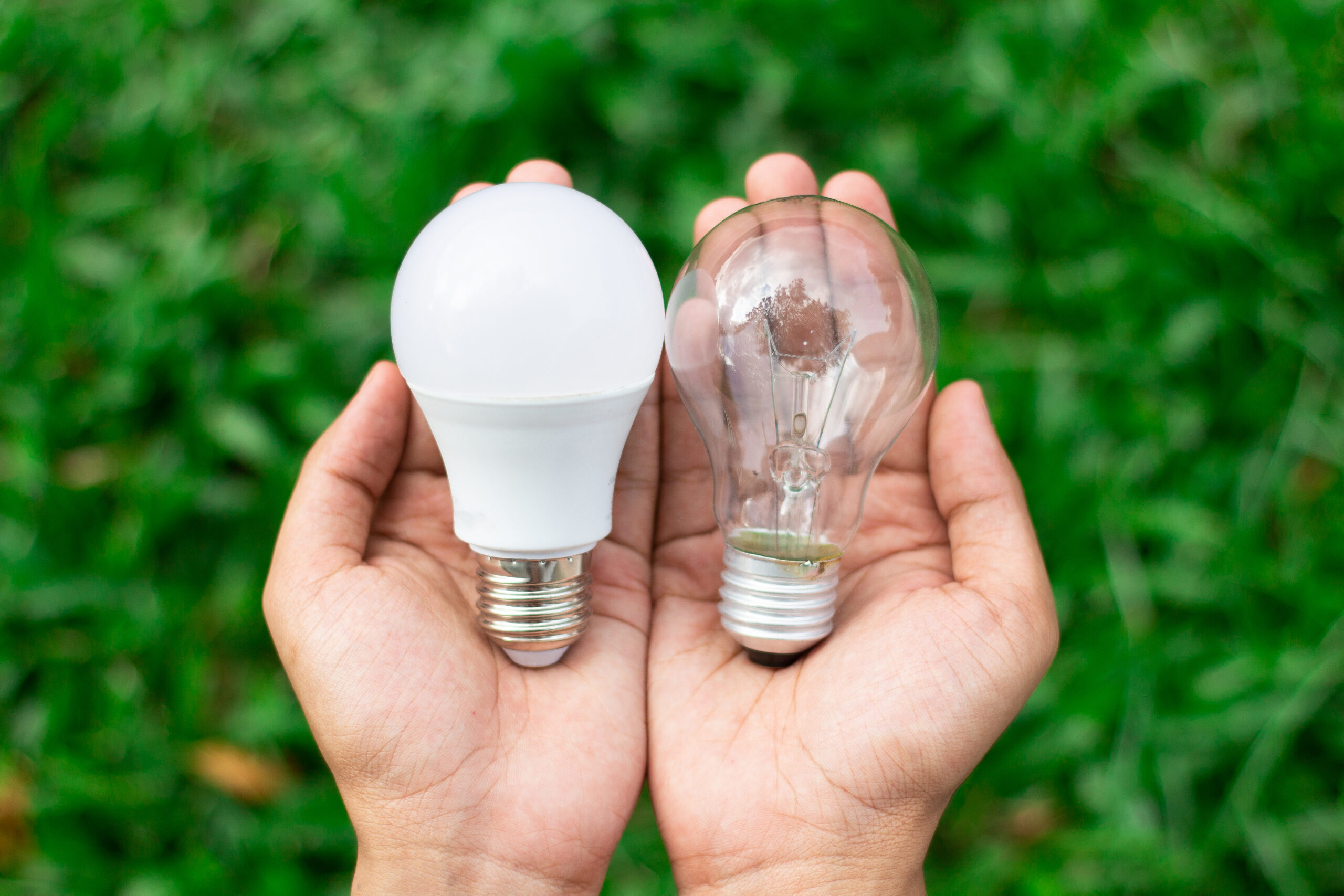
What are High-Efficacy Chips?
At the heart of every LED lies a tiny semiconductor chip. This chip converts electrical energy into light energy, measured in lumens. Efficacy, expressed in lumens per watt (lm/W), tells us how efficiently this conversion happens. The higher the lm/W rating, the more light an LED chip produces for each watt of electricity consumed.
High-efficacy chips are the champions of this metric. Currently, they can achieve lm/W ratings exceeding 200, and research suggests even higher values are on the horizon. This translates to significant energy savings, making them a compelling choice for a variety of lighting applications.
Benefits of High-Efficacy Chips
Reduced Energy Consumption: The most apparent benefit is the substantial decrease in energy used. High-efficacy chips require less power to produce the same level of light compared to standard LED chips. This translates to lower electricity bills and a smaller carbon footprint.
Lower Heat Generation: LEDs already generate less heat than incandescent bulbs. High-efficacy chips take this a step further by minimizing heat production even more. This not only improves the overall lifespan of the LED fixture but also eliminates the need for bulky heat sinks, leading to sleeker and more aesthetically pleasing designs.
Longer Lifespan: Heat is a major enemy of LEDs, accelerating their degradation. Since high-efficiency chips generate less heat, they tend to last longer than their standard counterparts. This translates to fewer replacements and lower maintenance costs.
Improved Light Quality: High-efficacy chips don’t compromise on light quality. They are available in a wide range of colour temperatures and with excellent colour rendering index (CRI) ratings, ensuring vibrant and natural-looking light.
Applications for High-Efficacy Chips
The energy-saving potential of high-efficacy chips makes them ideal for various applications:
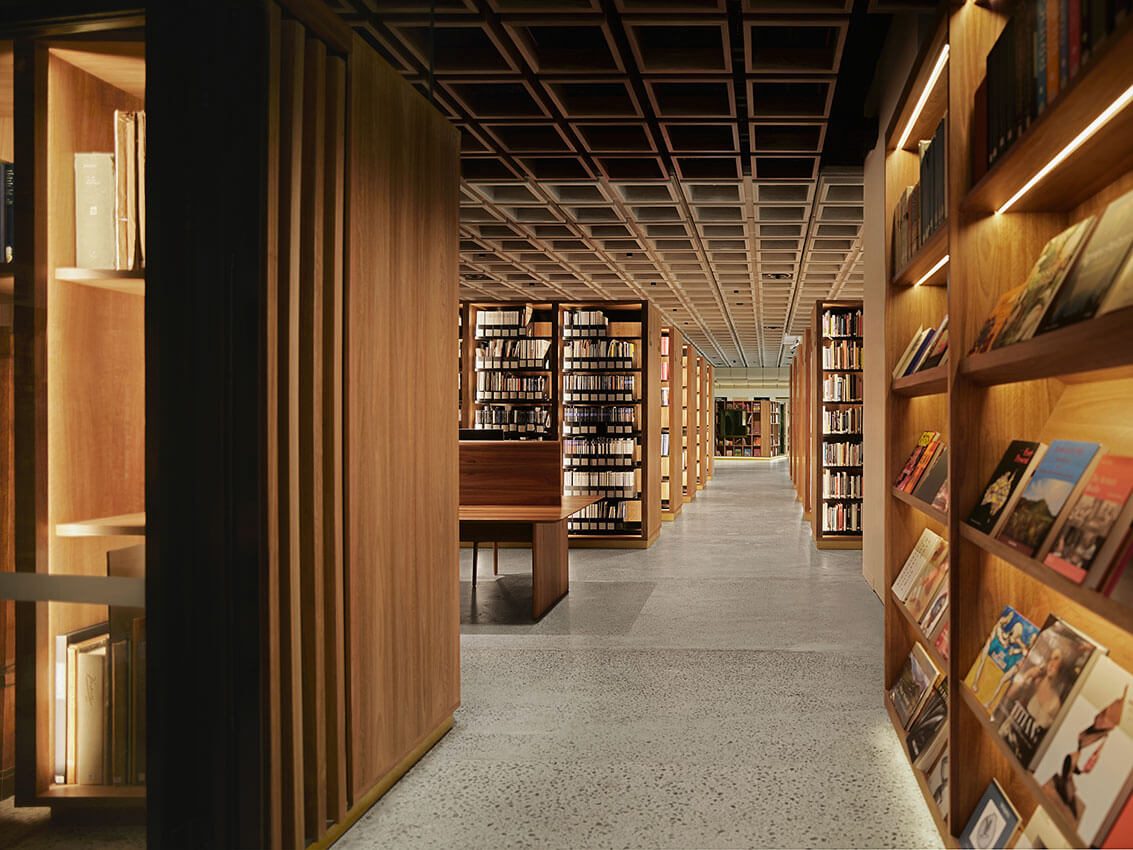
Commercial Lighting: Offices, warehouses, and retail spaces can significantly benefit from the reduced energy consumption offered by high-efficacy chips.
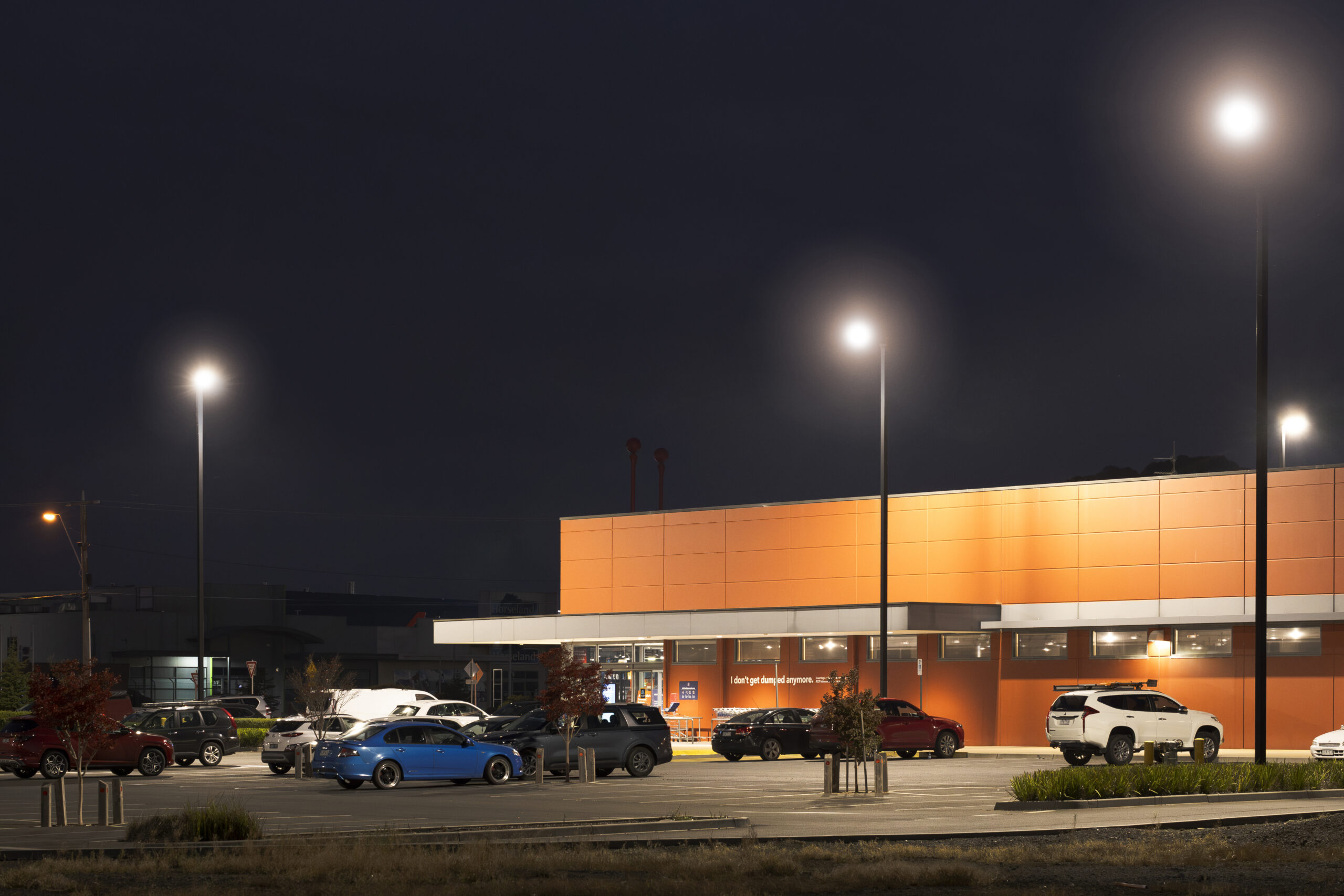
Street Lighting: High-powered LED streetlights equipped with these chips can illuminate roads and walkways efficiently, promoting safety and environmental responsibility.
Downlights and Panel Lights: These fixtures are commonly used in commercial and residential settings. High-efficacy chips can contribute to dramatic energy savings in these applications.
Task Lighting: Task lights provide concentrated illumination for activities like reading or working on a computer. High-efficacy chips can ensure adequate light levels while keeping energy use low.
Choosing High-Efficacy LED Lighting
When selecting LED lighting, look for fixtures that specify the lm/W rating of the chips used. Opt for options with ratings exceeding 150 lm/W to ensure high efficacy. Remember, a higher initial investment in high-efficacy chips can be offset by significant energy savings over the lifespan of the fixture.
The Future of High-Efficacy Chips
Research and development in LED technology are ongoing. Manufacturers are constantly striving to push the boundaries of efficacy. As the technology matures, we can expect even higher lm/W ratings, making LED lighting even more efficient and cost-effective.
In conclusion, high-efficiency chips represent a significant advancement in LED lighting technology. By prioritizing energy savings, longer lifespans, and cooler operations, they pave the way for a more sustainable and efficient future of illumination. So, the next time you’re considering LED lighting, look for options featuring high-efficiency chips to experience the brightest and most responsible way to light your world.