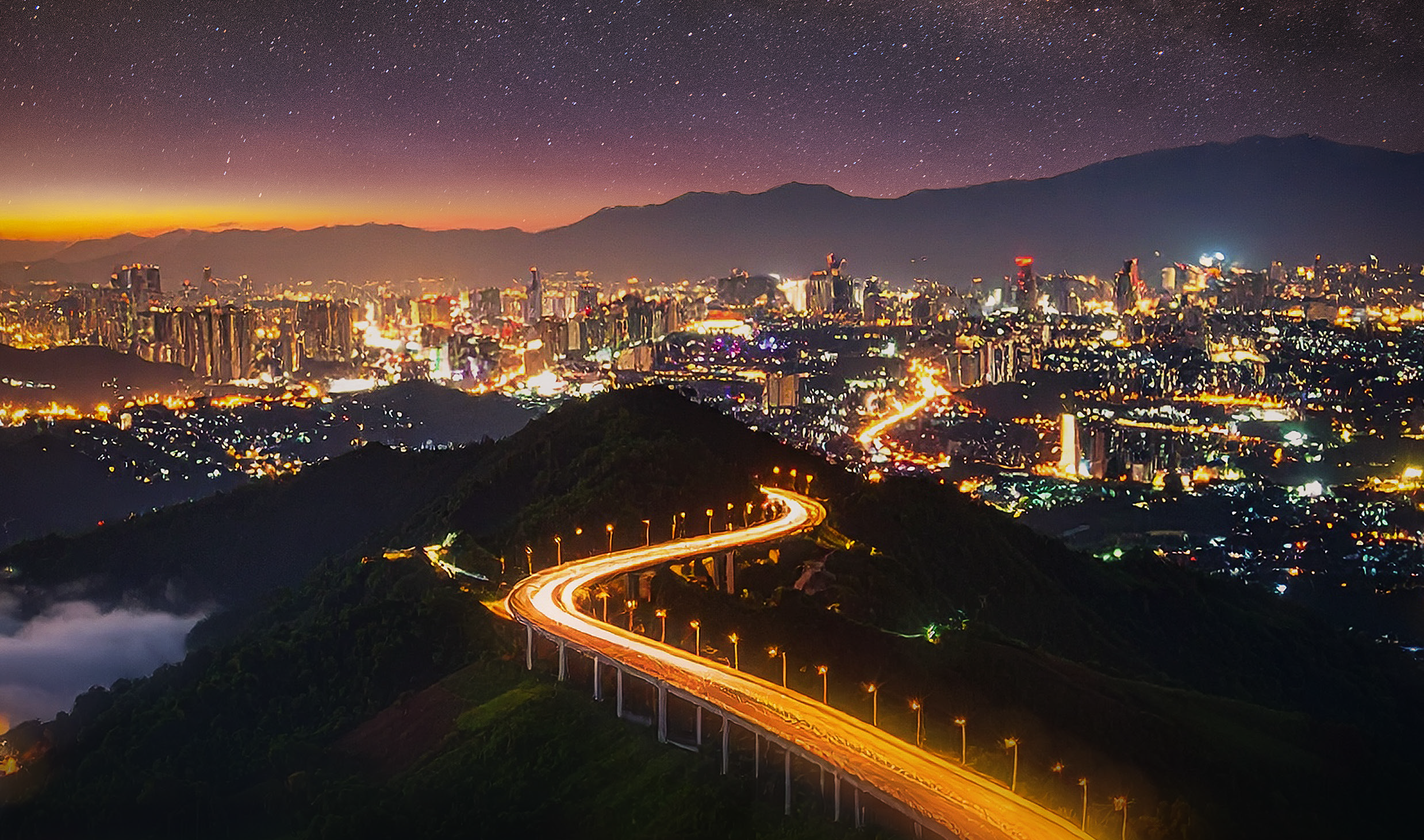
Artificial lighting is essential in modern environments, but when it’s poorly designed, it can create more problems than it solves.
You might have heard the term “Dark Sky lighting” or “Dark Sky compliance” mentioned in project discussions, council requirements or specifications. But what does it actually mean, and why is it becoming more important in commercial lighting design?
In this guide, we break down what Dark Sky lighting is, why it matters, and how it can benefit your next project.
What is Dark Sky Lighting?
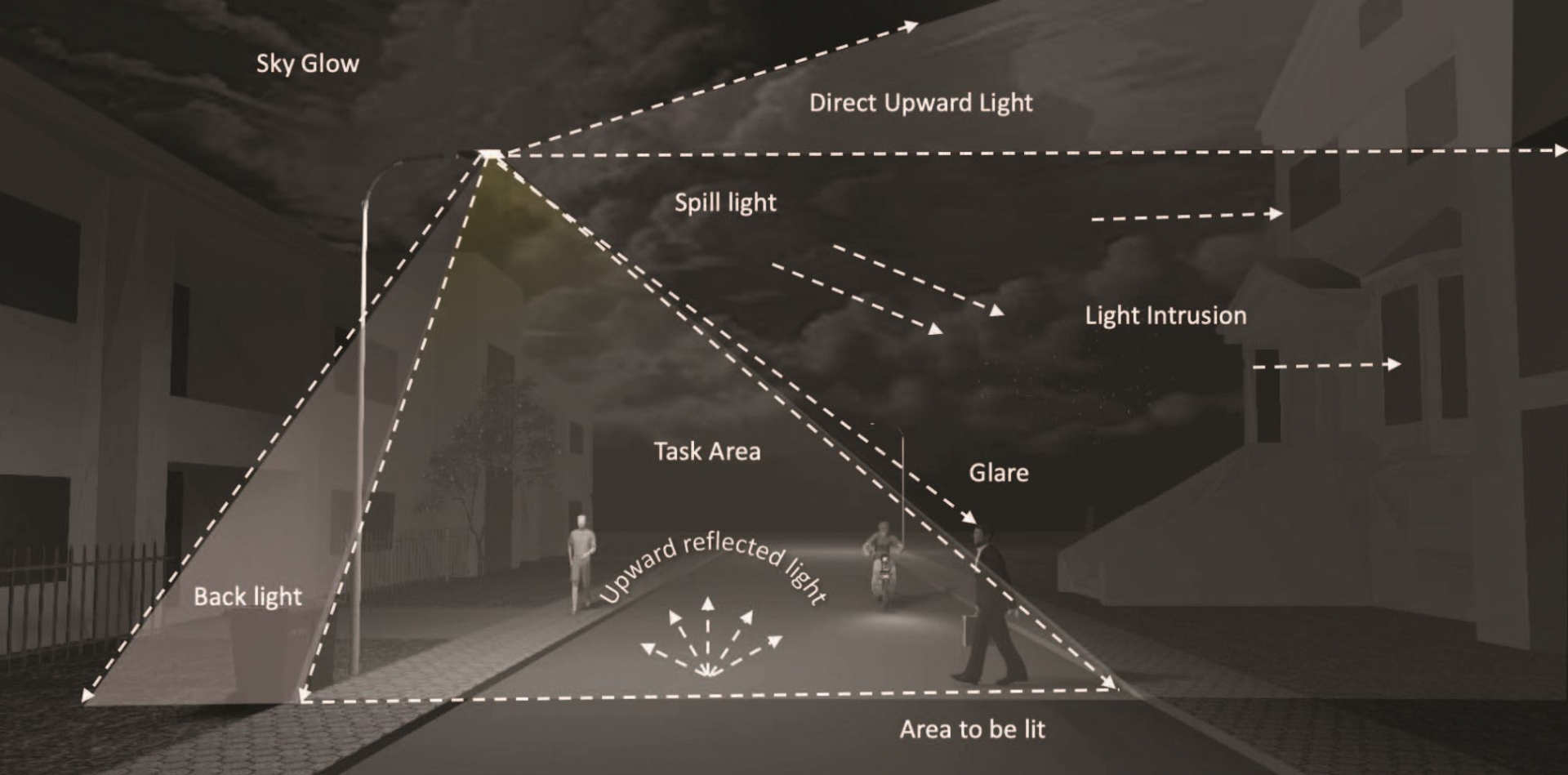
Dark Sky lighting refers to lighting that is designed to minimise light pollution, particularly light that spills upwards into the night sky or unnecessarily into surrounding areas.
It is based on internationally recognised principles developed by organisations such as DarkSky International and the Illuminating Engineering Society, which promote responsible outdoor lighting to protect the night environment.
In simple terms, DarkSky-compliant lighting:
- Direct light so it falls only when it’s needed
- Reduce glare and light spill
- Limits light upward (sky glow)
Why Is Light Pollution a Problem?
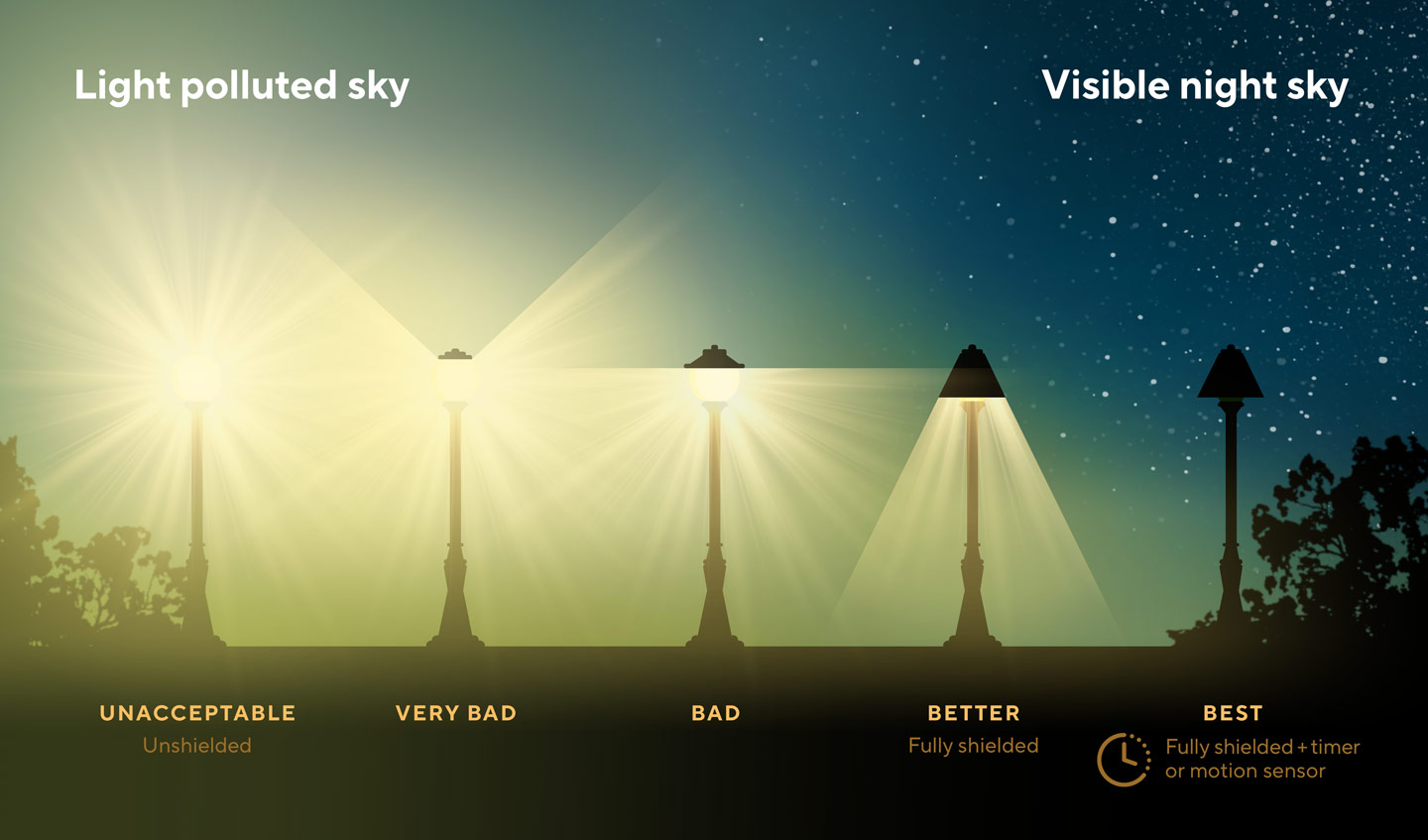
Light pollution isn’t just about losing visibility of the night sky; it has real impacts on both the environment and how lighting performs in built spaces.
Excessive or poorly controlled lighting can disrupt natural ecosystems, particularly for nocturnal wildlife, while also causing glare and visual discomfort in commercial environments. There’s also a growing aspect, with councils across Australia placing greater emphasis on controlling light spill and upward light, something that can affect approvals if not addressed early.
Why Dark Sky Lighting Matters for Your Projects
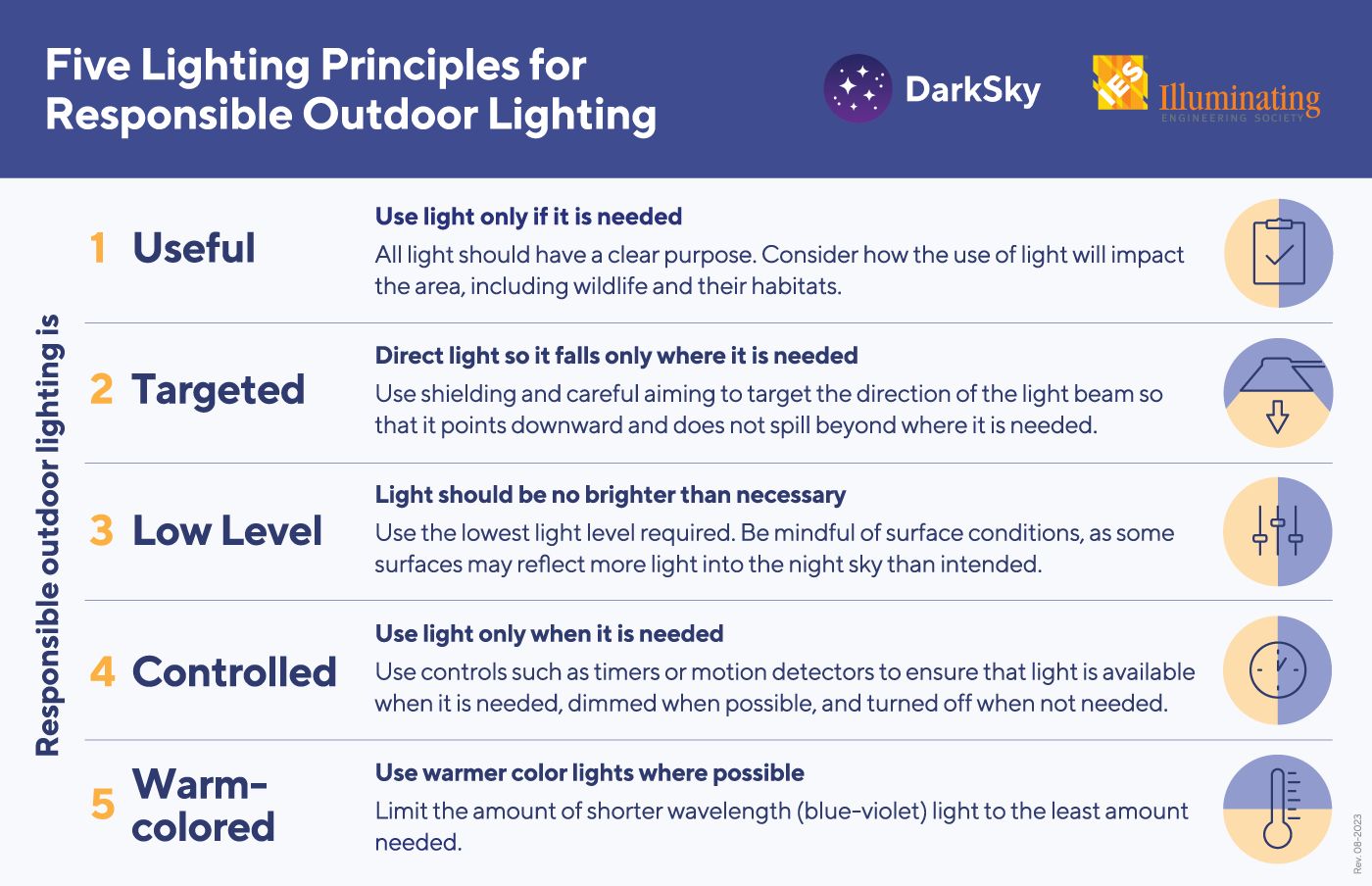
To achieve Dark Sky compliance, lighting design follows a set of recognised principles developed by DarkSky International and the Illuminating Engineering Society, often referred to as the Five Principles for Responsible Outdoor Lighting.
At its core, the approach is simple: use only the light you need, where you need it.
Instead of treating these as strict rules, they act as a practical guide for better lighting outcomes:
- Useful – Every light should serve a clear purpose.
- Targeted – Light should be directed precisely, typically downward, to avoid spill into unwanted areas.
- Low level – Use only the amount of light required. Over-lighting is one of the most common issues in exterior projects.
- Controlled – Lighting should operate only when needed, using timers, sensors, or dimming where possible.
- Warm-coloured – Lower colour temperatures (3000K or below) are preferred to minimise environmental impact and improve comfort.
When applied together, these principles help create lighting that is more efficient, more comfortable, and better suited to its surroundings while also supporting compliance requirements.
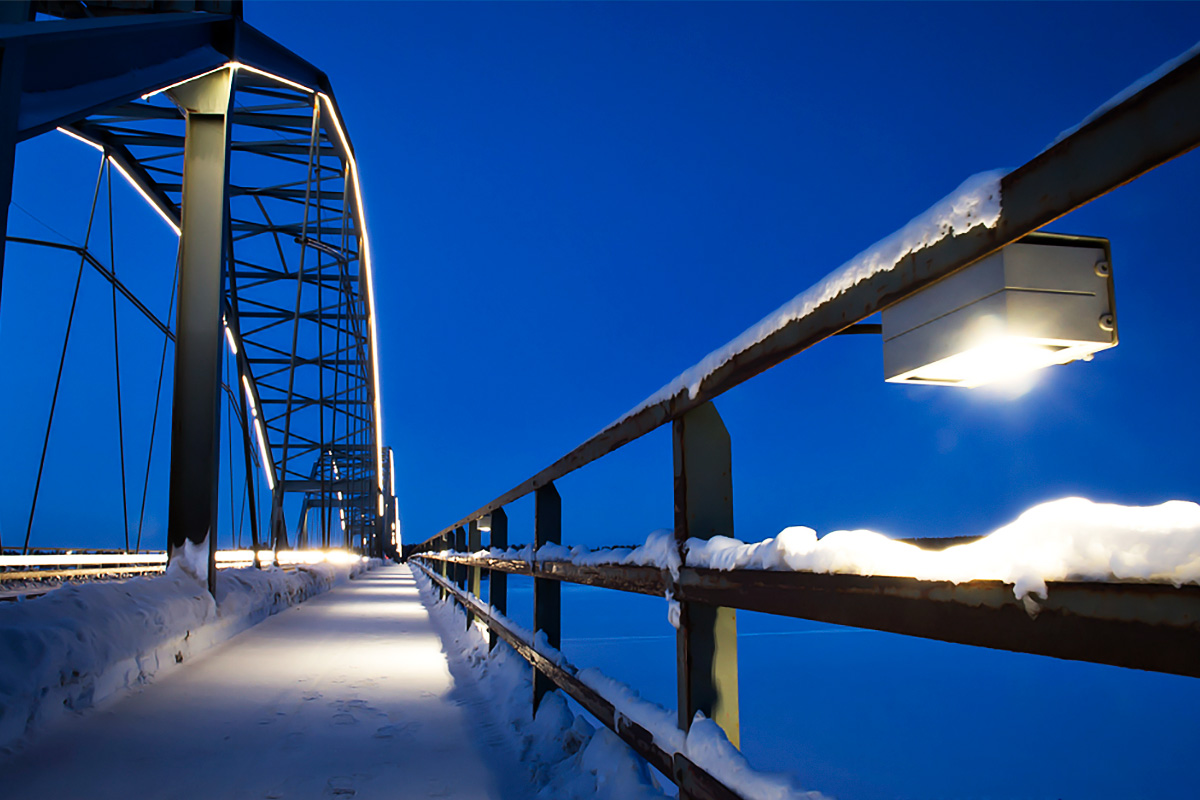
Why Dark Sky Lighting Matters for Your Projects
For many projects, Dark Sky lighting is less about theory and more about avoiding unnecessary complications. Addressing these considerations early can make approvals more straightforward and reduce the likelihood of redesigns later. It also results in lighting that feels more balanced, minimises glare, improves visual comfort and creates a better overall experience.
From a project perspective, it helps:
- Reduce the risk of compliance issues
- Improving overall lighting quality and user experience
- Support sustainability targets without overcomplicating design
Ultimately, it’s about delivering a solution that works, not just technically, but in the real-world environment it’s installed in.
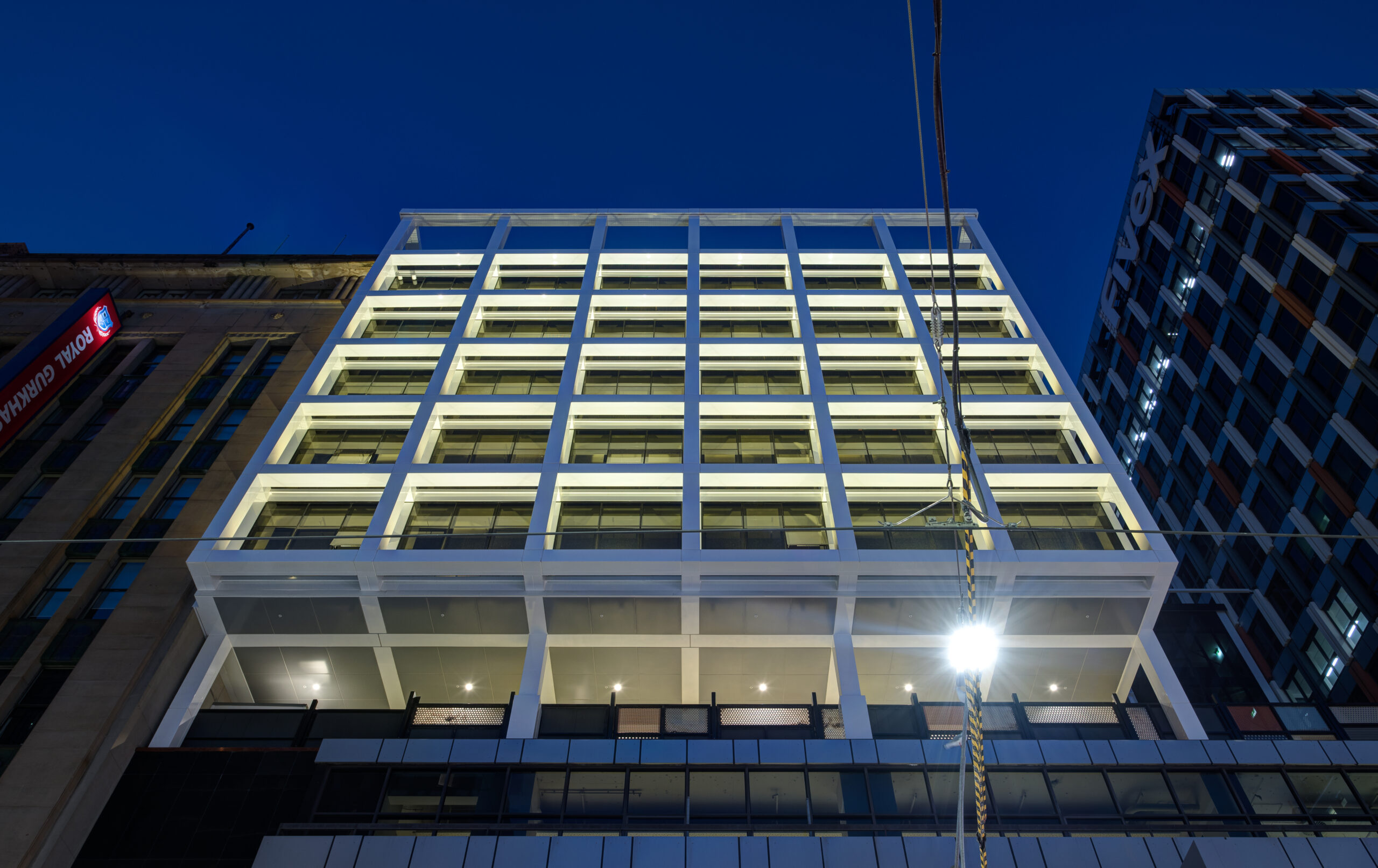
Illuminating facades can transform a daylight view into something magical at night-time. A regular building can turn into a captivating architectural structure creating a timeless impact for the look of the building. It can add another dimension to your design, and when done correctly, it can offer breathtaking night-time views.
As one of the most important elements in exterior lighting design, there are many factors to consider when lighting for façades:
- Identity & Aesthetics
- Society & Economy
- Safety & Security
- Sustainability
Identity & Aesthetics
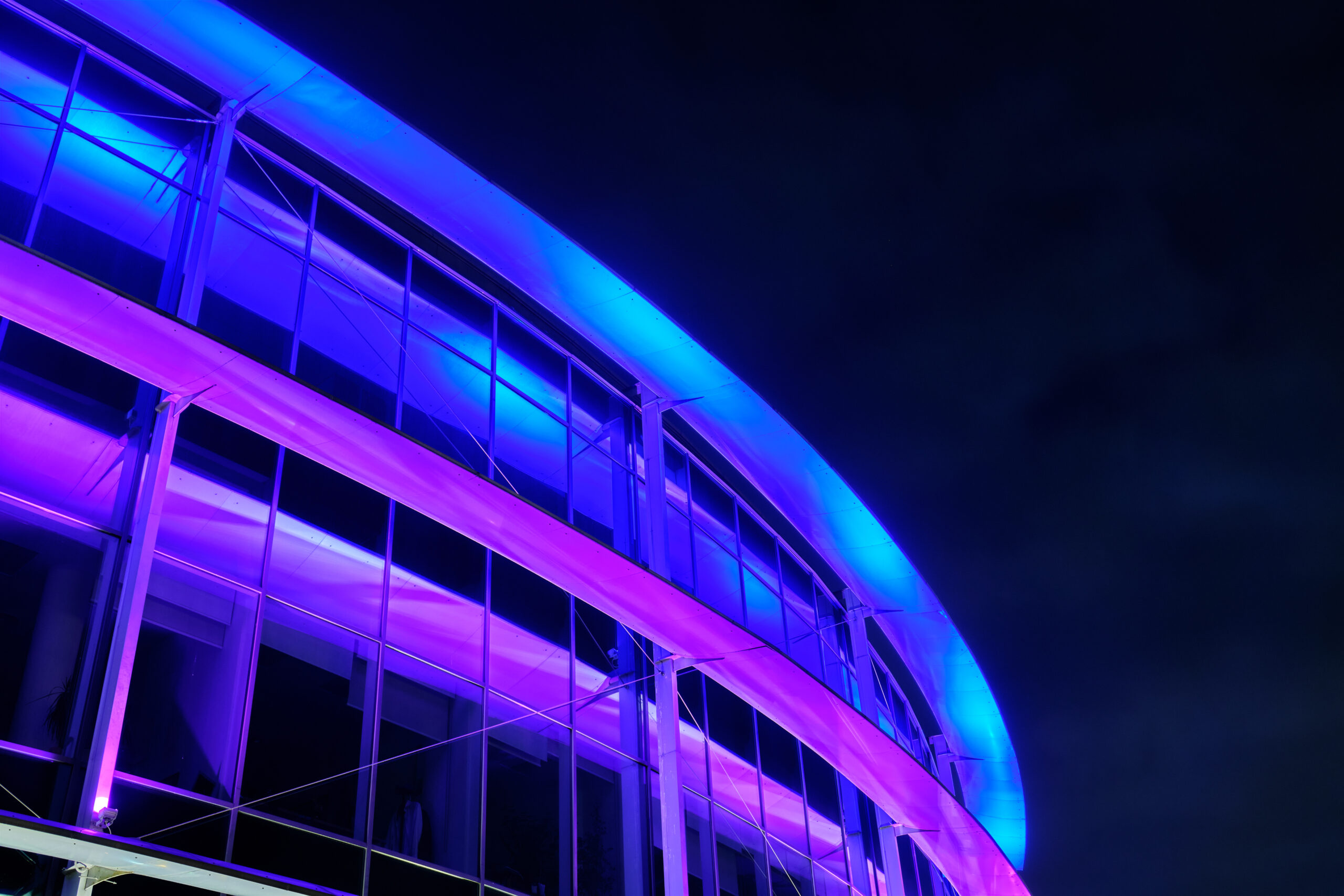
Well designed façade lighting can accentuate the architectural characteristics and provide a remarkable first impression of the building. With façade lighting, a building that looks normal during the day can alter into a piece of art during the night. The interplay of light and shade can emphasise the distinctive architectural details and create a dramatic look to bring life to your outdoor space. Personality can be created through the combination of colour and lighting techniques to convey a building’s identity or brand. You can even go as far as to use your brand’s corporate colours to define who’s building it is, making your mark on the city.
Society & Economy
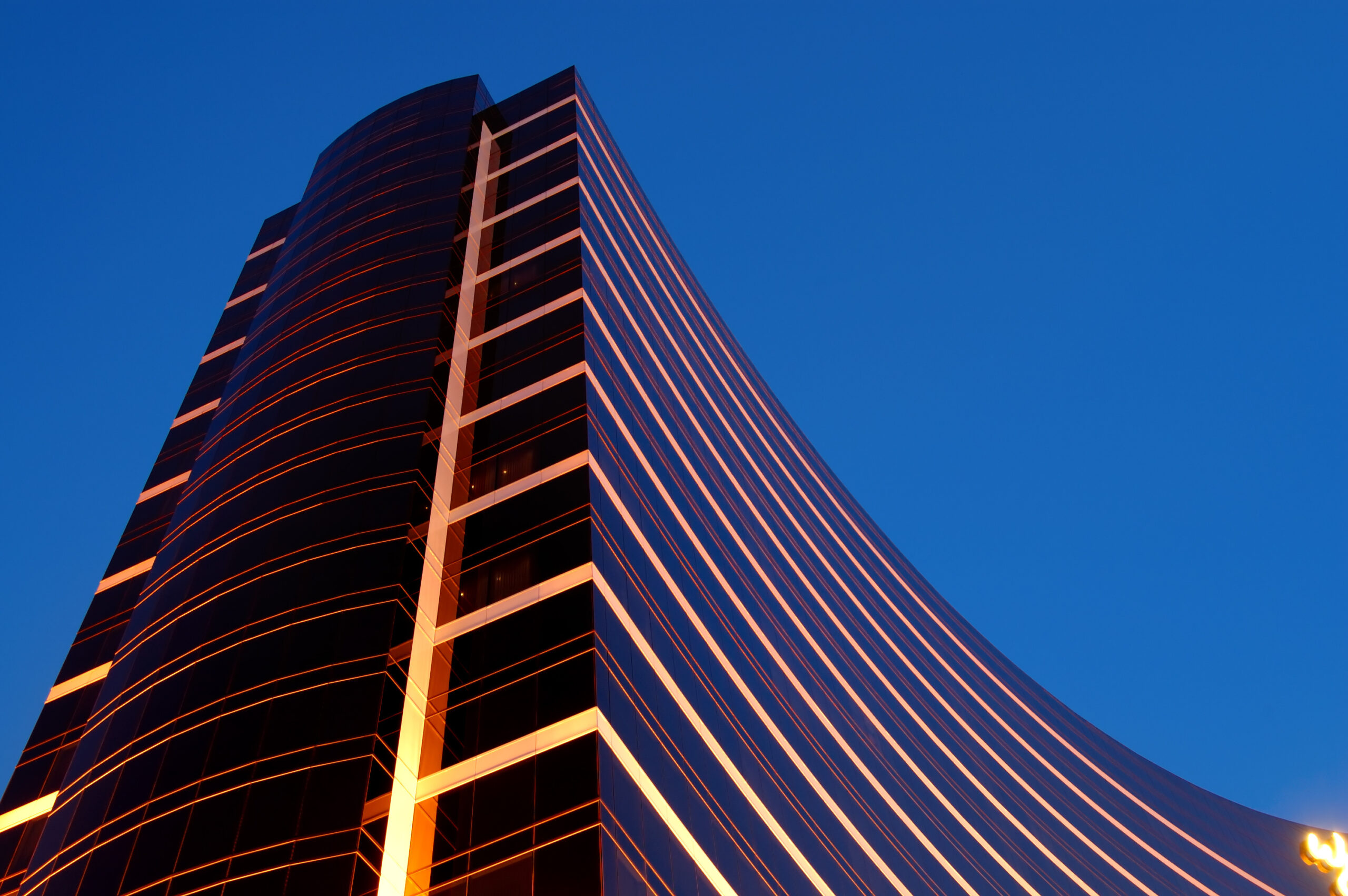
A city can offer many social and economic values at night. With many of us seeking entertainment and embracing night-time activities, places with good façade lighting can entice tourists to spend time and money at those premises. This provides economical benefits that can grow new businesses, developments and residential housing to an attractive location. With the introduction of LED, exterior lighting is now an affordable way to dramatically increase a buildings prominence within the street, neighbourhood or area.
Safety & Security
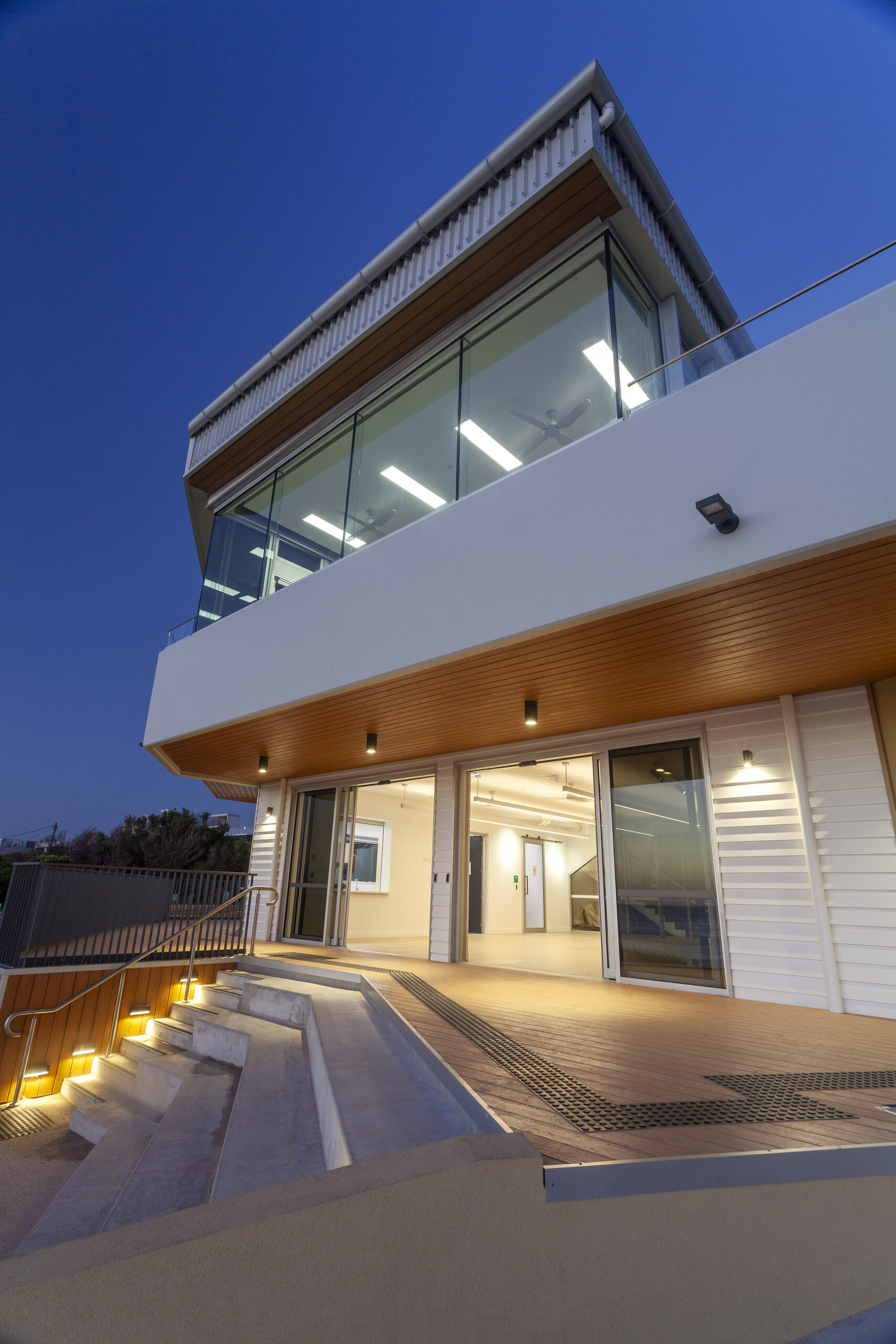
Façades that are illuminated make people feel safer as they navigate through the night. It can discourage vandalism and create a more inviting space that’s visible from a distance. By implementing lighting techniques such as horizontal and vertical lighting, façade lighting can increase the sense of safety for everyone. Vibrancy is an important part of facade light design, when activated in the right areas vibrant lighting offers safety and encourages activity late into the night. Whereas in residential areas consideration should be given to light levels. Artificial light can negatively affect residents by intrusively spilling into apartments or houses. This overexposure can impact health by disrupting circadian rhythms and disturbing sleep patterns. Well planned façade lighting that considers the surrounding areas, zones, architectural elements of the buildings and vibrancy will provide a safe and pleasant space for all.
Sustainability
Light pollution is a modern-age climate issue, it affects cities across the world. With social and technological changes, the demand for sustainable lighting is becoming a crucial element in all aspects of our work. Façade lighting tends to produce large quantities of unnecessary luminance and when done inadequately can add to negative impacts on the environment. Light fittings with dimmable or smart control options allows us to conserve energy and prevent light pollution. Setting certain times the lights will be turned on based on the seasons or changing the light intensity, will help to minimise energy consumption. Cities are also using facade lighting as part of their overall strategy to provide more uniform light to increase security and energy efficiency.
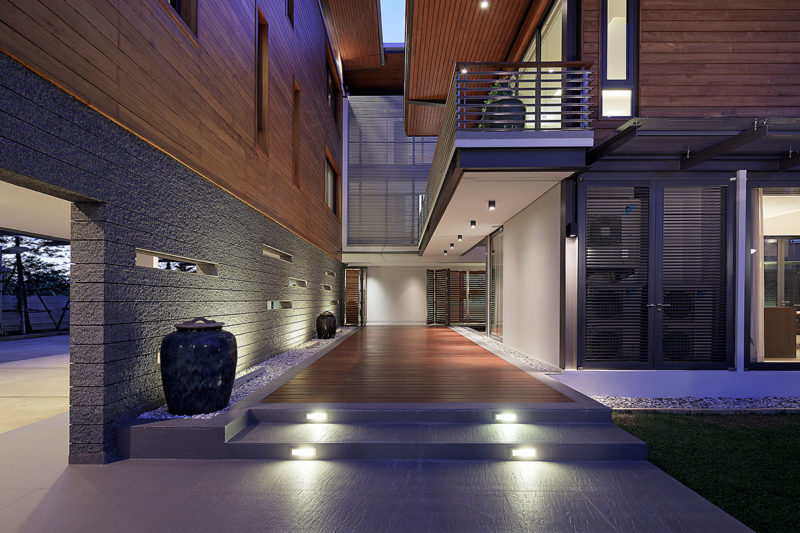
If you’re looking to take your landscape design up a notch, a little lighting goes a long way. Whether you are designing for a small courtyard, a patio entertainment area, driveway or a large backyard, lighting can add life to any landscape space.
How to Light a Landscape
When it comes to lighting your landscape, it’s important to consider functionality, aesthetics, security, layered lighting and energy efficiency. There are several ways to brighten up your landscape and it can be difficult to know where to begin. By thoughtfully considering these key elements, you can seamlessly blend them to create a lighting and energy solution fit for your desired results.
Here are some landscape lighting techniques to consider applying to your space:
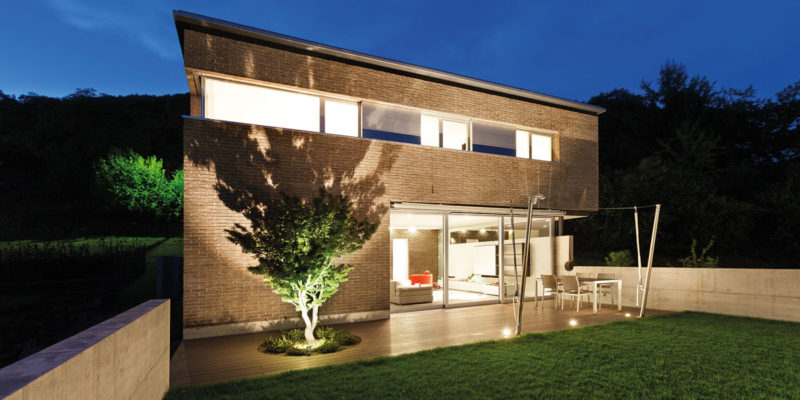
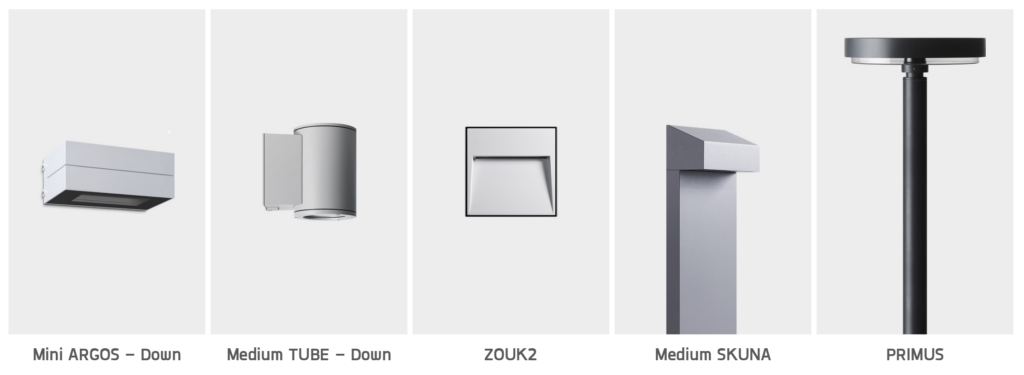
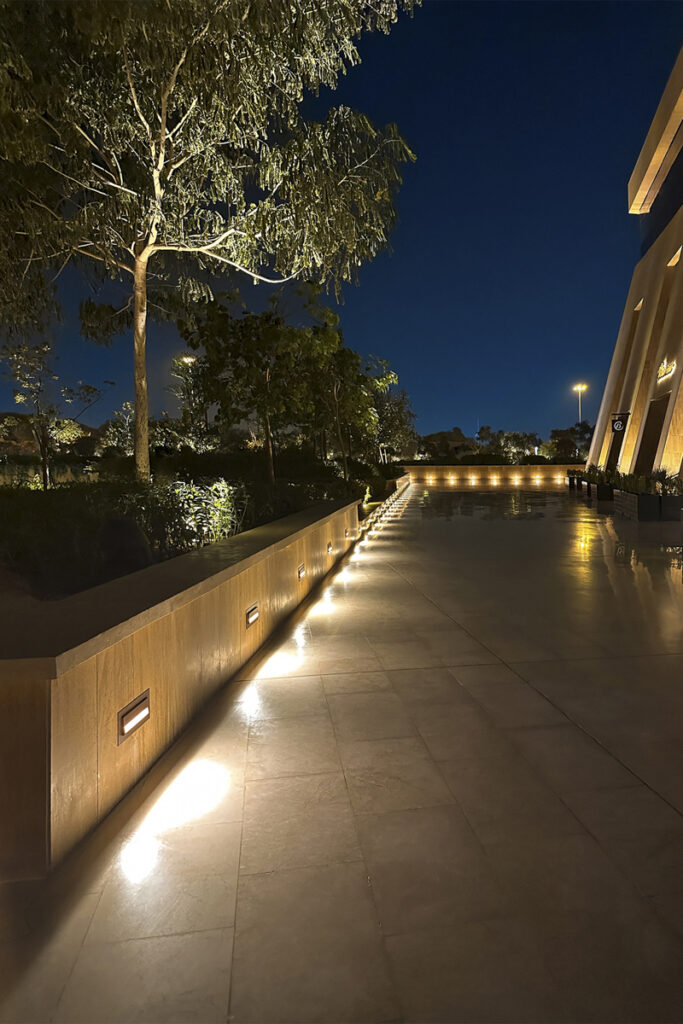
Path Lighting – One of the most commonly used techniques, path lighting creates safety and security along a walkway or driveway. From spotlights, wall lights, bollards and step lights, these luminaires can offer visibility and ambience allowing those using the space to safety navigate their way throughout the area.
Up Lighting – Up lighting is a technique to shine the light upwards. Inground lights, spotlights and floodlights can be used to achieve this effect. Illuminating architectural features can create a dramatic look and makes the tree or structure appear taller. It can also add safety and security for pathways, driveways, stairs and decks during the night.
Silhouetting – Also known as backlighting, this technique involves placing the light source behind the object. It’s best used when there is a wall behind a plant with the light directed towards the wall. This allows the side of the house to be lit up and also provides a sharp contrast between the object and its background.
Shadowing – The reverse of silhouetting by placing and aiming the light source in front of the object. This works particularly well when it casts a shadow against a wall or surface behind the object.
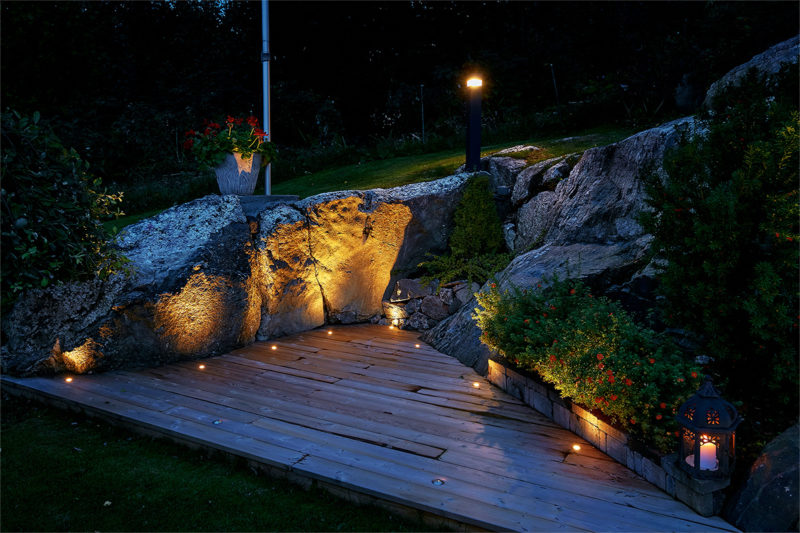
Down Lighting – This involves shining the light downwards. This is a simple technique and can achieve a more natural look for your landscape. Light fixtures can be placed on trees, walls, pathways or under eaves.
Moon lighting – A form of down lighting, this technique is most effective when used on large trees in your garden. The light fixture is placed high up on the tree itself and aimed downwards to create the sense of moonlight shining through them. It mixes the light from overheard and the shadows from the tree’s branches. This technique combined with up lighting can create a striking result.
Wall Washing – If the space requires more ambient lighting, you can try flooding a large wall or surface to cast a uniformed gentle glow over the space. Light fittings such as flood lights and inground lights with a wider beam angle will work for this technique.
Grazing – This technique is used to accentuate the textured surfaces of a home’s façade, columns or walls. The light source is placed within a foot of the surface and aimed parallel to it. It creates shadows and highlights the indentations of the raised areas. This is a good option for homes with irregular and rough patterns to show off your stonework or concrete walls.
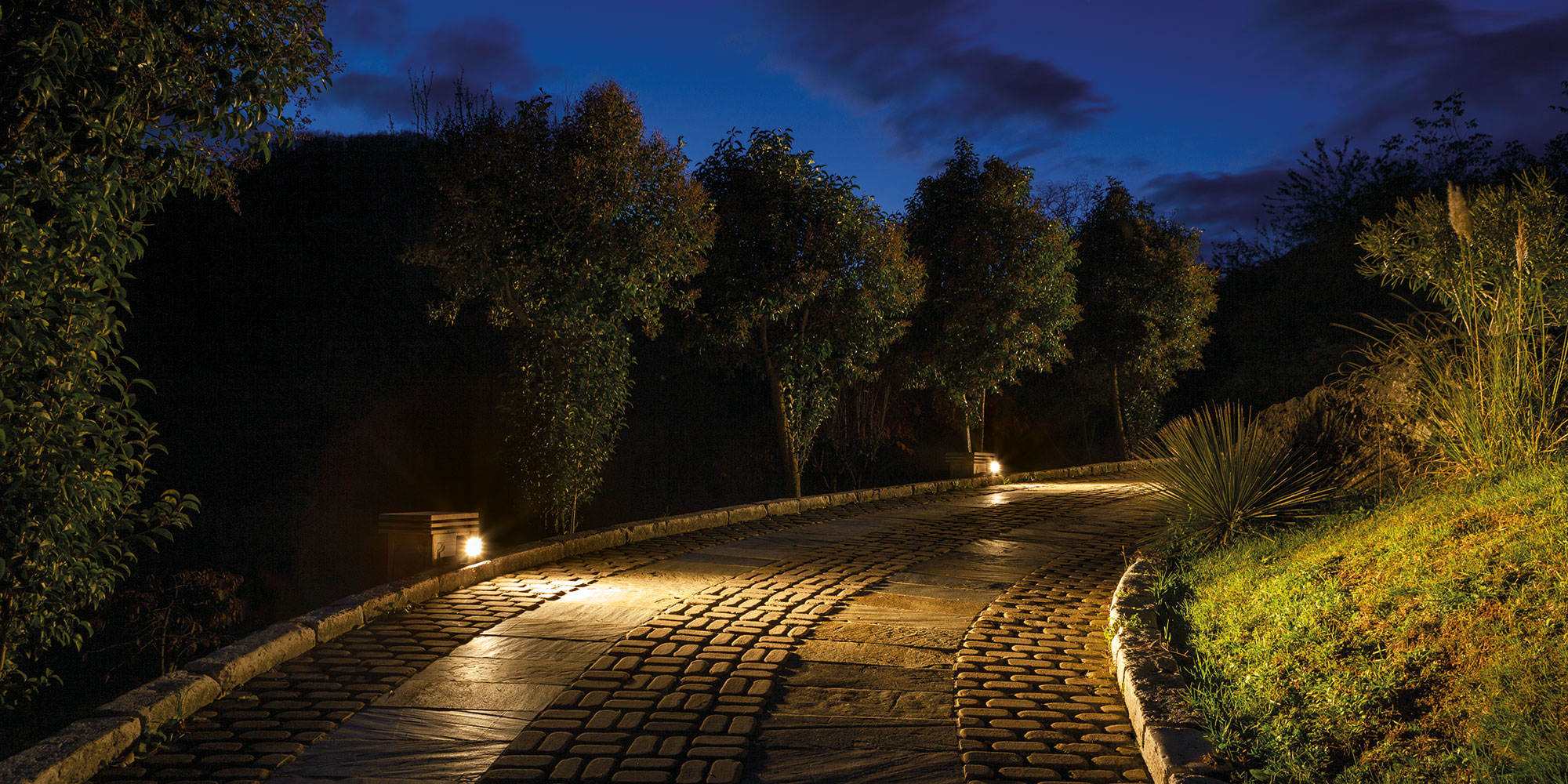
Security is more important than ever. When darkness falls, good lighting design is one of the most effective ways to ensure visibility and security. Exterior lighting plays a key role in determining how safe people feel. By using a combination of quality light fixtures and design approaches, you can achieve your desired results.
Well-illuminated spaces drastically minimise accidents, vandalism or break-ins from occurring. They can keep your space protected and provide safe passage for pedestrians, cyclists and drivers during the night.
Exterior light fittings should be robust and vandal resistant. They are often exposed to outdoor conditions making them vulnerable to deterioration. In addition to choosing suitable lights for your project, it’s important to consider good uniformity, the placement of the lights and energy efficiency in order to create a safe environment.
Commercial & Residential Properties
For commercial and domestic properties, outdoor lighting combined with a security or surveillance system is recommended. Although they are expensive, the sense of security far outweighs the cost. Not only does it assist you by identifying potential intruders, but it can also give the impression of someone at the property when there’s no one there. Good uniformed lighting minimises glare and makes it easier to see on a surveillance system. Key areas to consider lighting are the front entrance or porch, garage, car park or driveway, pathways, back entrances, landscaping and any outdoor areas such as a patio or pool. The lighting should be cohesive and compliment the style of the premise making it flow seamlessly together.
Roads, Car Parks & Pathways
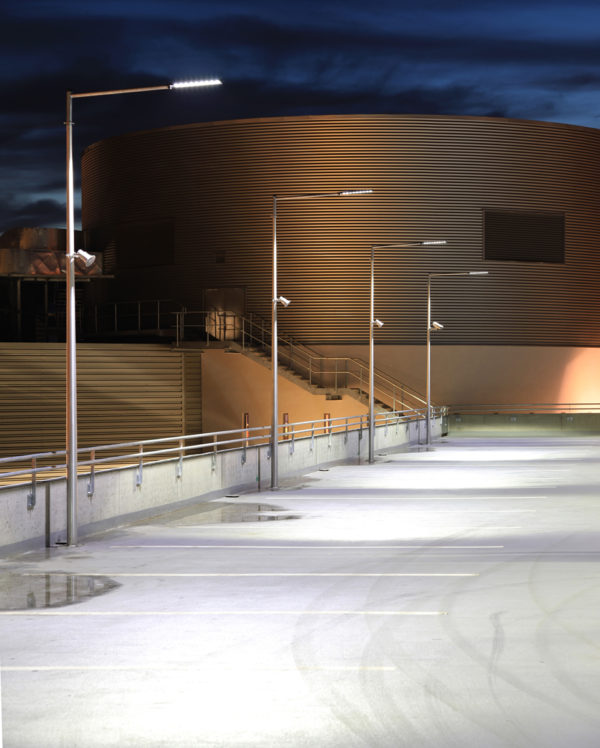
There are several variables when it comes to car parks, pathways and road lighting. Unlike interior lighting, boundaries aren’t always defined and could hinder people’s safety. Appropriate exterior lighting can establish safe navigation from one location to another. It’s about finding a solution that not only works for the individual space but the surrounding areas as well. The key focus to consider is the location of the lights, circulation routes and how traffic will flow, glare, low maintenance and dimming and smart control options.
White light is recommended as the eye perceives it as more natural. You are able to recognise colour, shapes and faces better when it’s used. As drivers get older, they are more sensitive to glare and colour vision declines. Using white lights for roads, car parks and pathways ensures drivers, cyclists and pedestrians can assess and avoid hazards and risks in time.
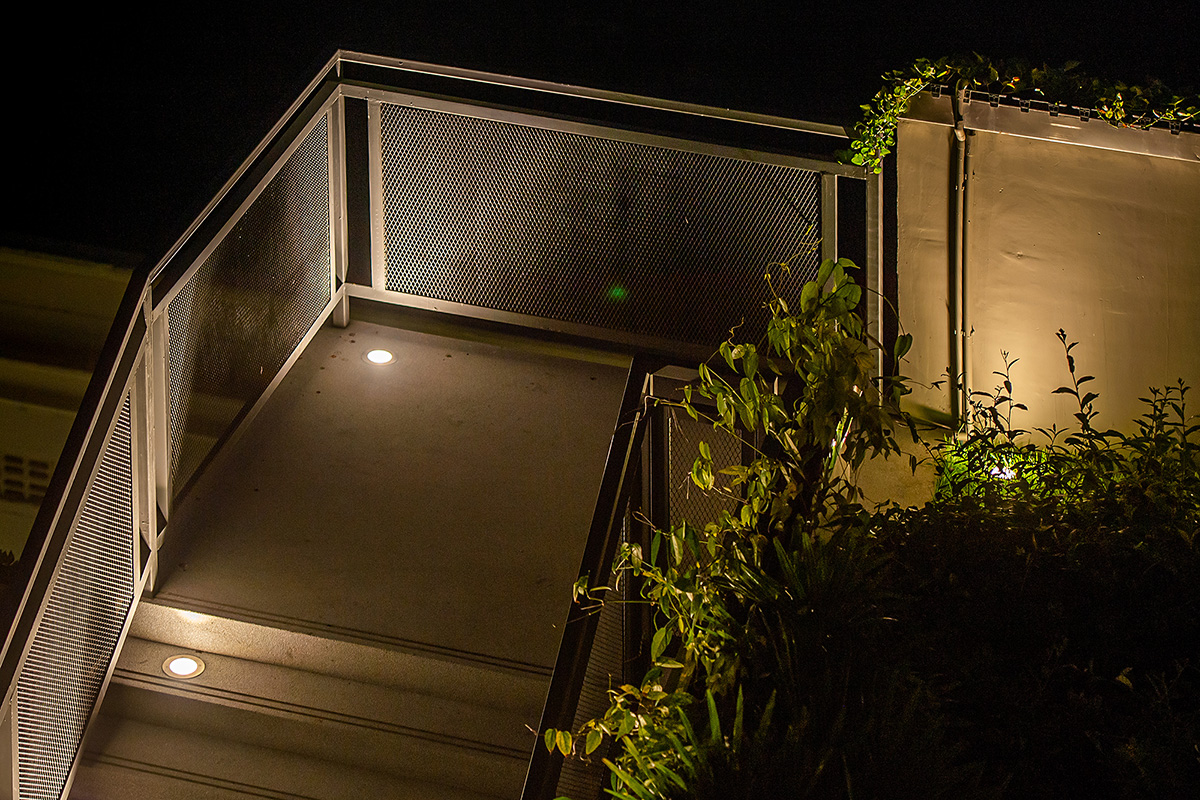
Energy Consumption & Smart Controls
Integrating dimming, smart controls and emergency lighting into the design can contribute to energy efficiency and people’s safety. Motion sensors are a great investment around a property. They are triggered by movement and could alert you to potential trespassers in the area. Timers and photocell sensors are useful for lights on roads or car parks. The lights automatically turn off once sunlight is detected. This is particularly worthwhile during seasonal changes when it’s darker earlier on winter days. Lighting should be concentrated on the main areas to avoid unnecessary light spills. With appropriate lighting and emergency controls, lights can be used only when required allowing you to save money and significantly reduce energy consumption.
With security lighting, it isn’t always about having the brightest lights, it’s about having a suitable lighting solution that works in the exterior space. It goes without saying, it’s always advisable to have an alarm or surveillance system in place as an added form of security.