
Artificial lighting is essential in modern environments, but when it’s poorly designed, it can create more problems than it solves.

You might have heard the term “Dark Sky lighting” or “Dark Sky compliance” mentioned in project discussions, council requirements or specifications. But what does it actually mean, and why is it becoming more important in commercial lighting design?

In this guide, we break down what Dark Sky lighting is, why it matters, and how it can benefit your next project.

What is Dark Sky Lighting?

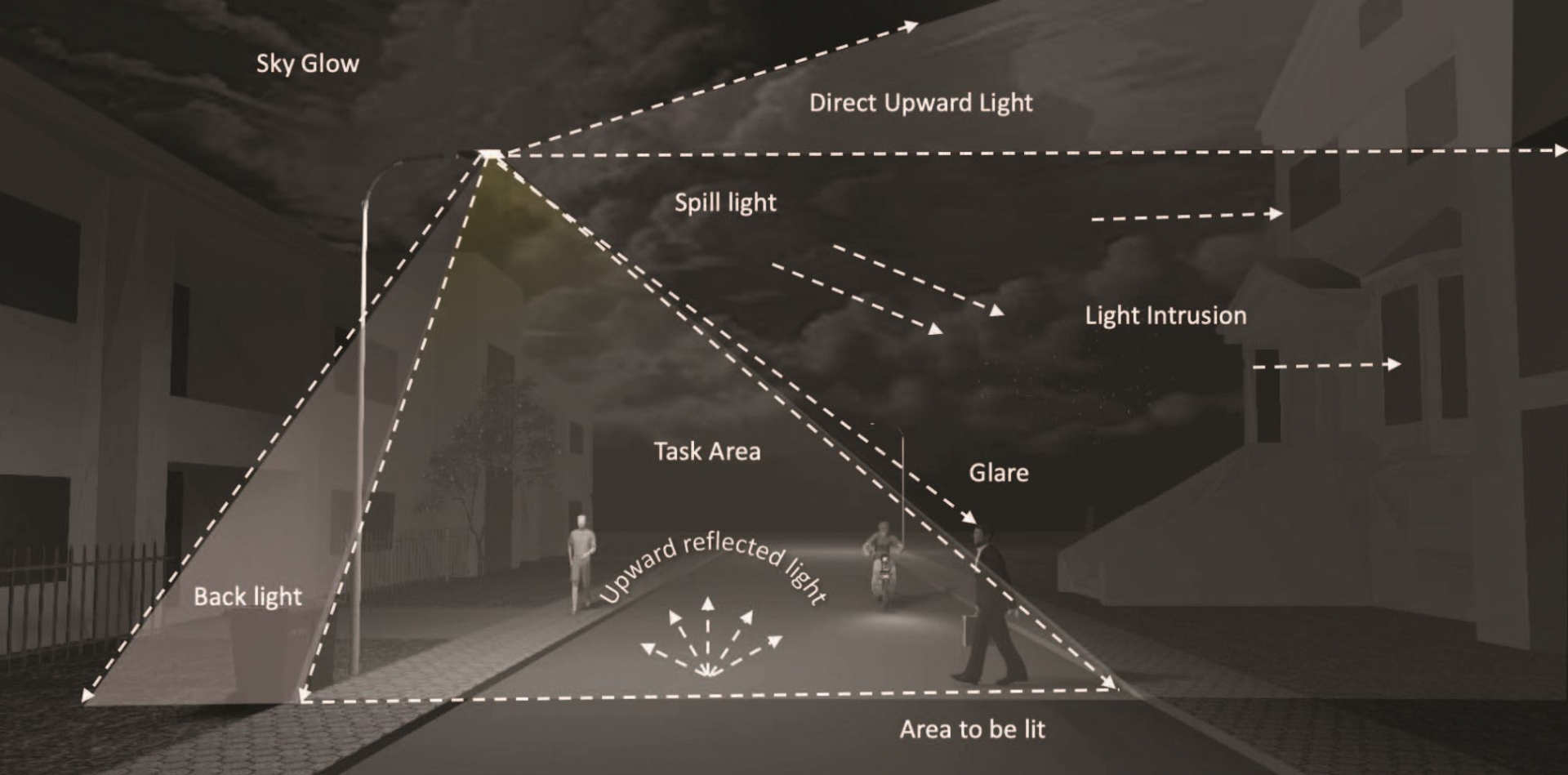
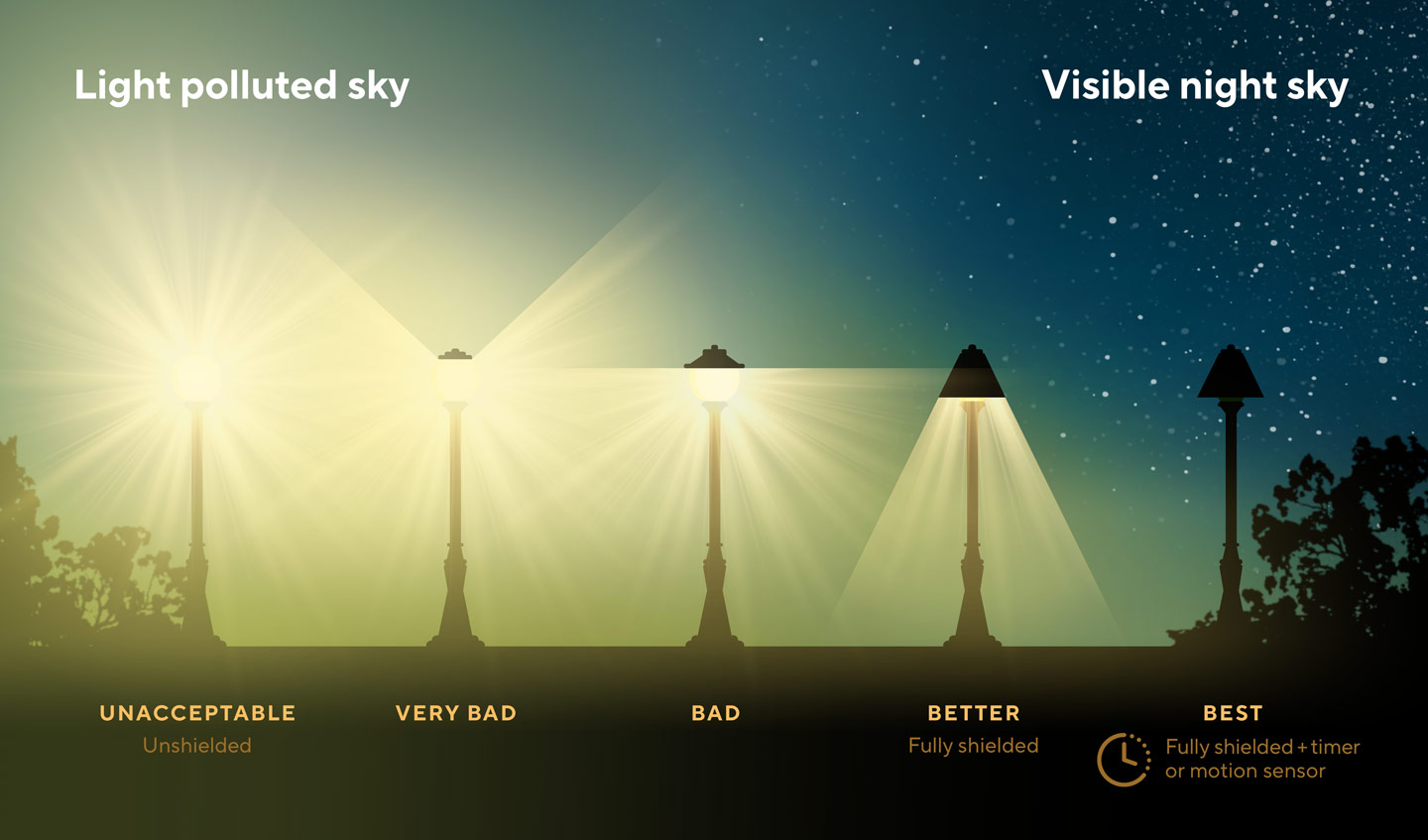
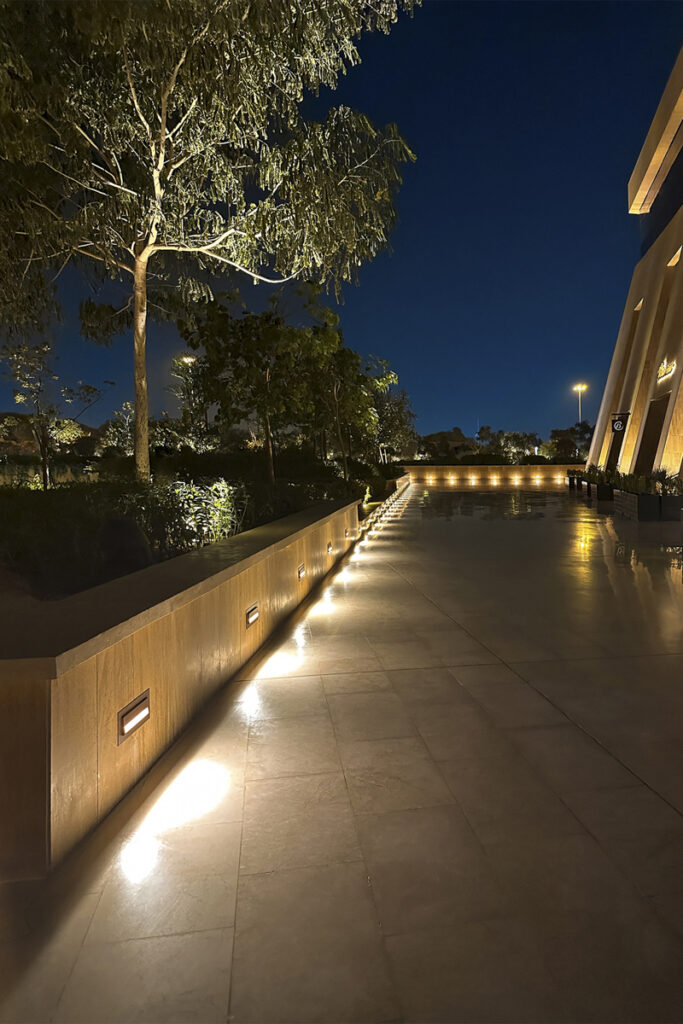
Dark Sky lighting refers to lighting that is designed to minimise light pollution, particularly light that spills upwards into the night sky or unnecessarily into surrounding areas.

It is based on internationally recognised principles developed by organisations such as DarkSky International and the Illuminating Engineering Society, which promote responsible outdoor lighting to protect the night environment.

In simple terms, DarkSky-compliant lighting:

  • Direct light so it falls only when it’s needed
  • Reduce glare and light spill
  • Limits light upward (sky glow)

Why Is Light Pollution a Problem?

Light pollution isn’t just about losing visibility of the night sky; it has real impacts on both the environment and how lighting performs in built spaces.

Excessive or poorly controlled lighting can disrupt natural ecosystems, particularly for nocturnal wildlife, while also causing glare and visual discomfort in commercial environments. There’s also a growing aspect, with councils across Australia placing greater emphasis on controlling light spill and upward light, something that can affect approvals if not addressed early.

Why Dark Sky Lighting Matters for Your Projects

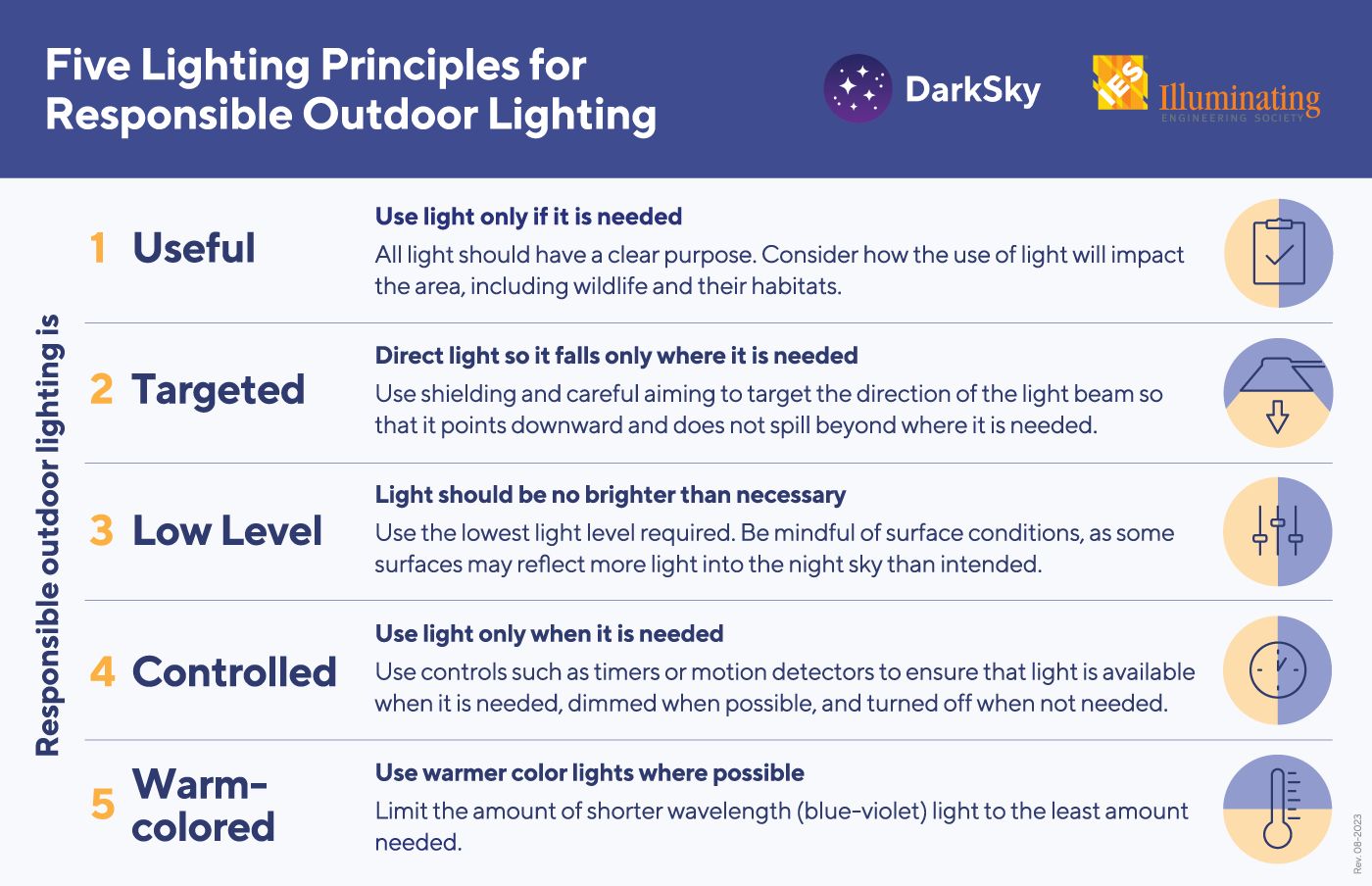
To achieve Dark Sky compliance, lighting design follows a set of recognised principles developed by DarkSky International and the Illuminating Engineering Society, often referred to as the Five Principles for Responsible Outdoor Lighting.

At its core, the approach is simple: use only the light you need, where you need it.

Instead of treating these as strict rules, they act as a practical guide for better lighting outcomes:

  • Useful – Every light should serve a clear purpose.
  • Targeted – Light should be directed precisely, typically downward, to avoid spill into unwanted areas.
  • Low level – Use only the amount of light required. Over-lighting is one of the most common issues in exterior projects.
  • Controlled – Lighting should operate only when needed, using timers, sensors, or dimming where possible.
  • Warm-coloured – Lower colour temperatures (3000K or below) are preferred to minimise environmental impact and improve comfort.

When applied together, these principles help create lighting that is more efficient, more comfortable, and better suited to its surroundings while also supporting compliance requirements.

Why Dark Sky Lighting Matters for Your Projects

For many projects, Dark Sky lighting is less about theory and more about avoiding unnecessary complications. Addressing these considerations early can make approvals more straightforward and reduce the likelihood of redesigns later. It also results in lighting that feels more balanced, minimises glare, improves visual comfort and creates a better overall experience.

From a project perspective, it helps:

  • Reduce the risk of compliance issues
  • Improving overall lighting quality and user experience
  • Support sustainability targets without overcomplicating design

Ultimately, it’s about delivering a solution that works, not just technically, but in the real-world environment it’s installed in.

Dark Sky Lighting with Unilamp

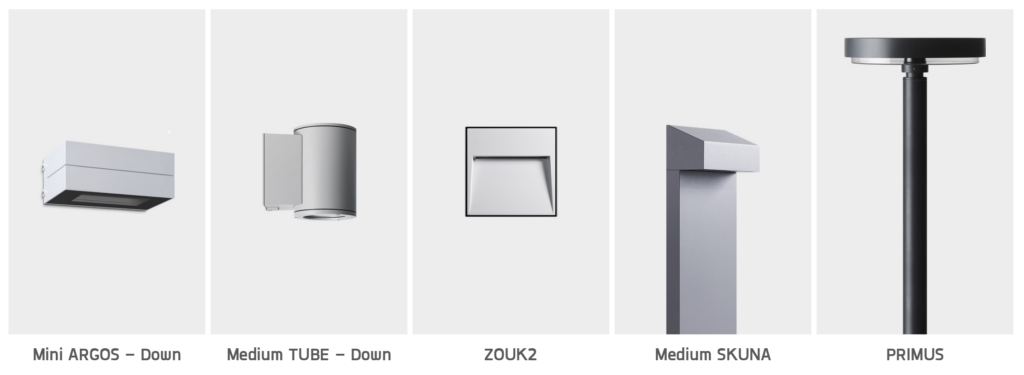
As a global leader in exterior lighting, Unilamp offers a range of luminaires designed to meet Dark Sky compliance requirements.

Through our partnership with Unilamp, LPA provides access to exterior lighting solutions that balance performance, compliance and design flexibility. Their range is designed to minimise upward light output, reduce glare, and deliver controlled illumination across a variety of applications.

Featured Dark Sky compliant fittings:

Supporting Your Next Project

Considering Dark Sky lighting early in the design process for your exterior projects can help avoid unnecessary challenges later on.

At LPA, we work with our partners to provide lighting solutions that support both compliance and project outcomes, whether you’re at the concept stage or working through detailed specifications.

If you’re looking to incorporate Dark Sky compliant lighting into your next project, our team can assist with product selection and specification support.

The modern office environment is evolving rapidly, and the need for smart infrastructure is crucial. As businesses continue to embrace flexible working models, office spaces must become more dynamic, efficient, and sustainable. Intelligent lighting such as Casambi plays a pivotal role in shaping both the functionality and atmosphere of contemporary office environments.

Wireless Control for Flexible Spaces


Office spaces no longer follow a rigid, one-size-fits-all approach to lighting. Today’s offices are designed to foster collaboration, innovation, and productivity, which means they must be adaptable. With Casambi, lighting can be tailored to meet the specific needs of different areas—whether it’s bright task lighting for workstations or softer, warmer tones for meeting spaces. The system allows office managers and employees to create and control distinct lighting zones via an intuitive mobile app, adjusting brightness, colour temperature, and even scheduling lights based on occupancy or time of day.

Energy Efficiency and Cost Savings


A common misconception about smart lighting systems is that they are prohibitively expensive. However, Casambi’s wireless technology makes it an accessible and cost-effective solution. Without the need for extensive rewiring or additional hardware, businesses can implement smart lighting controls incrementally, starting small and scaling up as needed. This approach not only reduces installation costs but also results in significant long-term savings through energy efficiency. By optimising natural and artificial light levels, Casambi helps reduce energy consumption, lower operational costs, and ultimately, cut the carbon footprint of office spaces.

Boosting Productivity and Well-being


A well-lit workspace has a profound impact on employee productivity, comfort, and overall well-being. Studies have shown that lighting is a key factor in creating an environment conducive to focus and creativity. Casambi’s flexible controls enable offices to adjust lighting conditions in real-time, whether for a high-energy brainstorming session or a more relaxed meeting. By allowing employees to personalise their lighting experience, Casambi fosters a more comfortable and engaging work environment. This level of control is particularly important as we move towards hybrid work models, where the needs of the workforce can change daily.

Seamless Integration and Futureproofing


A great benefit of Casambi is its future-proof nature. As businesses grow and evolve, their lighting needs evolve too. Casambi’s easy-to-use platform allows for quick and flexible reconfigurations of lighting zones. This negates the need for expensive callouts by specialist technicians. This scalability ensures that businesses can continue to adapt their lighting solutions as their needs evolve, making Casambi an ideal choice for companies looking to future-proof their office spaces.

By offering a flexible, energy-efficient, and user-friendly solution, Casambi empowers businesses to create smarter, more sustainable workspaces that not only enhance productivity but also support employee well-being. As the demand for innovative, adaptable office spaces continues to rise, integrating smart lighting systems like Casambi are a crucial step towards shaping the future of workspaces.

Get in touch

Create smarter, healthier, and more productive workplaces with Casambi. Our team can help you design flexible, energy-efficient lighting solutions that adapt seamlessly to modern office needs. Get in touch today to discover how Casambi can transform your office environment.

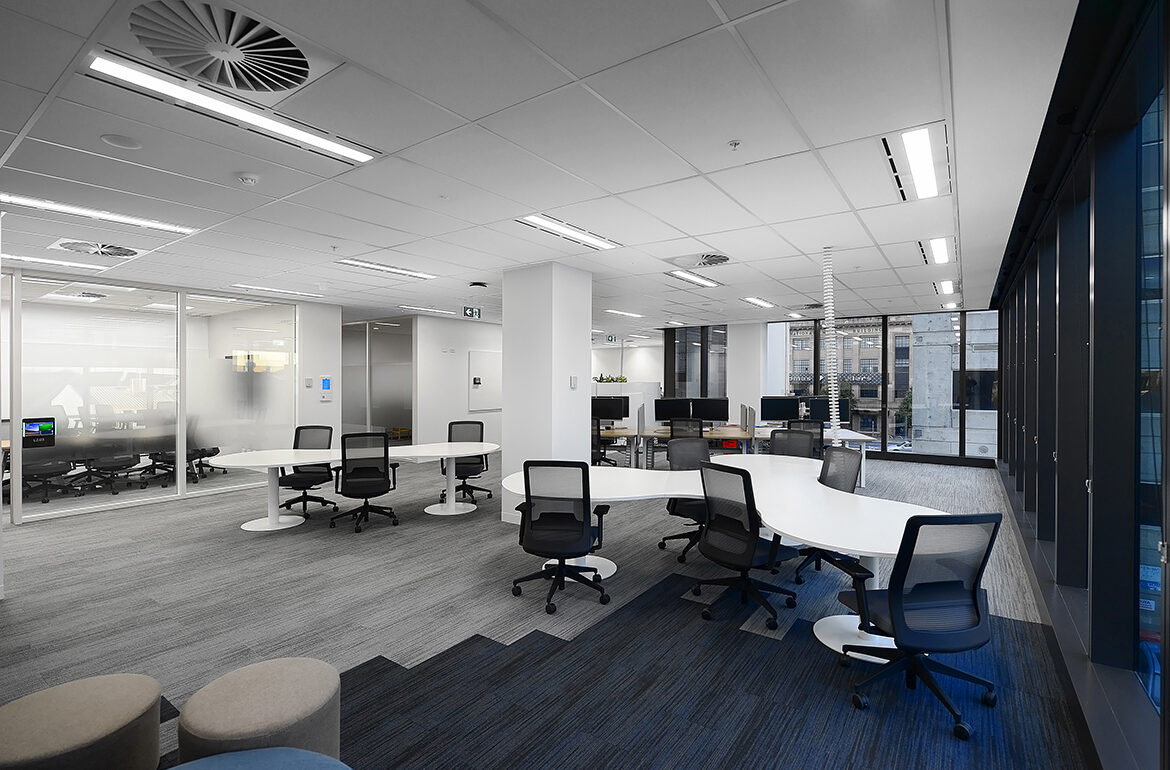
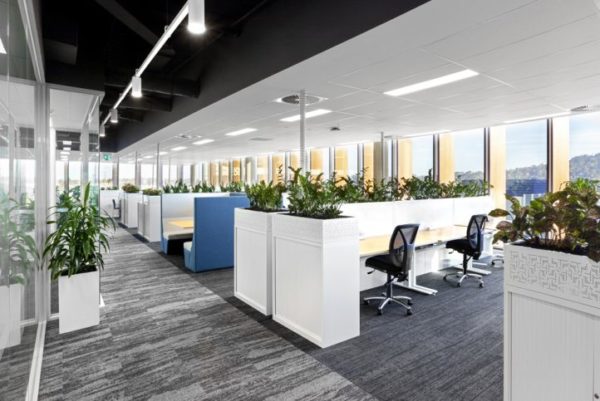
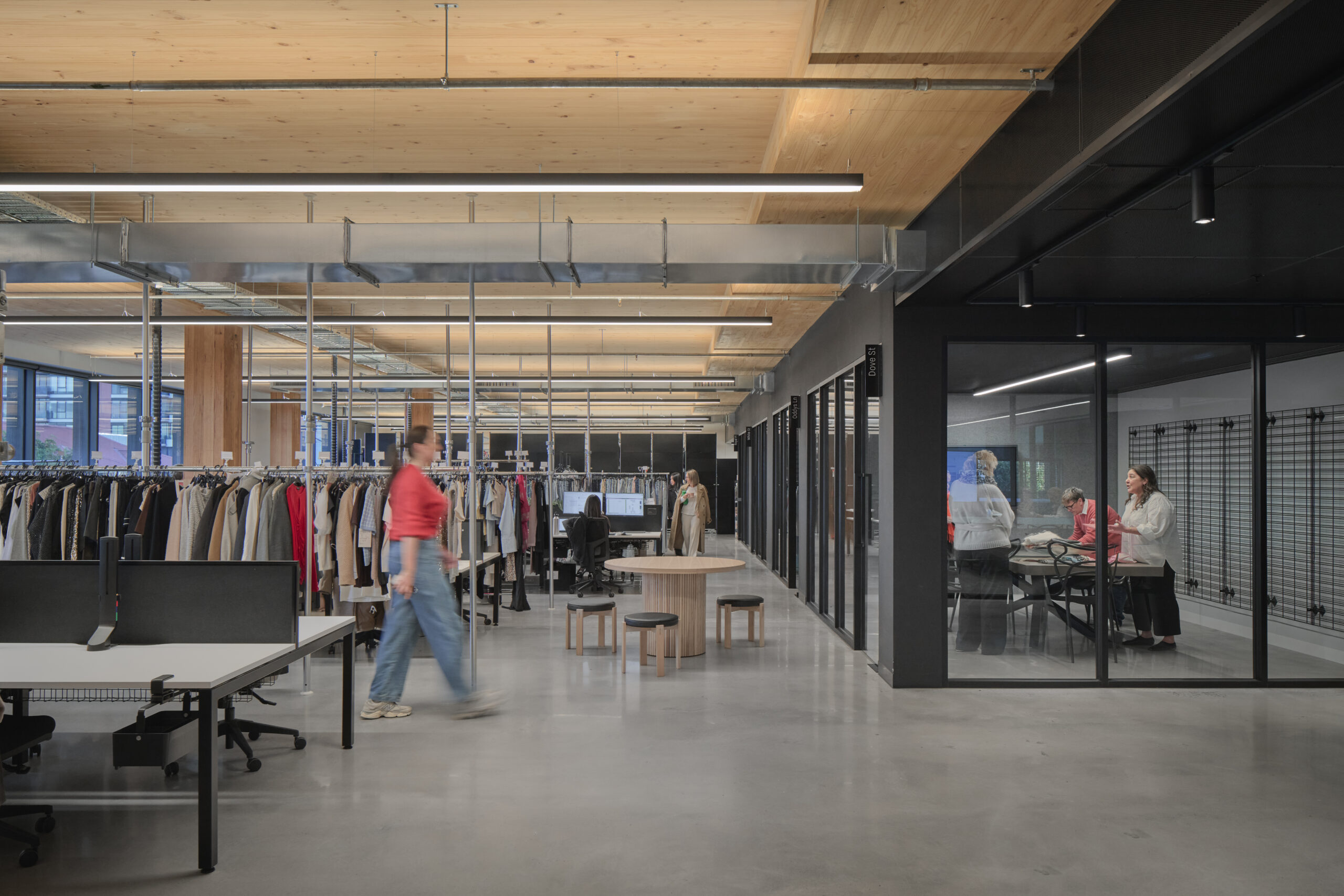
Office lighting plays an increasingly important role as research studies prove lighting is deeply linked to our physical, cognitive and wellbeing levels.

Increasing people’s sense of wellbeing as well as enhancing productivity and safety is paramount to employee satisfaction, retention and productivity.

There are three very important factors to consider when completing an office lighting solution; performance, efficiency and comfort.

Performance is the overall light quality for the working environment including visual comfort, task visibility, contrast, glare free, uniformity and colour rendering. Combining direct and indirect light sources allows us to achieve perfect light levels for the various spaces and task related activities within the workplace.

Efficacy is critical in achieving sustainability targets. An efficient fitting will provide the right light levels with minimal light loss. High efficacy luminaires require fewer light fittings, resulting in lower costs and associated maintenance expenses.

With offices operating for long hours a day, the integration of control systems provides the flexibility needed to meet the demands of the commercial sector. Technologies such as zoning controls, daylight detection and motion controls significantly reduce operational and maintenance costs.

Comfort is the most subjective and dependant on factors such as natural light. Consideration needs to be given to balance, tranquillity, security and safety. Lighting that can be adjusted to the user’s personal preference by means of colour temperature variation and control systems can have a positive effect on the productivity and the wellbeing of employees.

The importance of good office lighting is evident for us all. Providing a space with the appropriate light levels makes staff feel safe, engaged and secure. For landlords and building managers, concentrating on the importance of office lighting can be beneficial to them as it can increase tenant satisfaction and maximising the value of their investment.

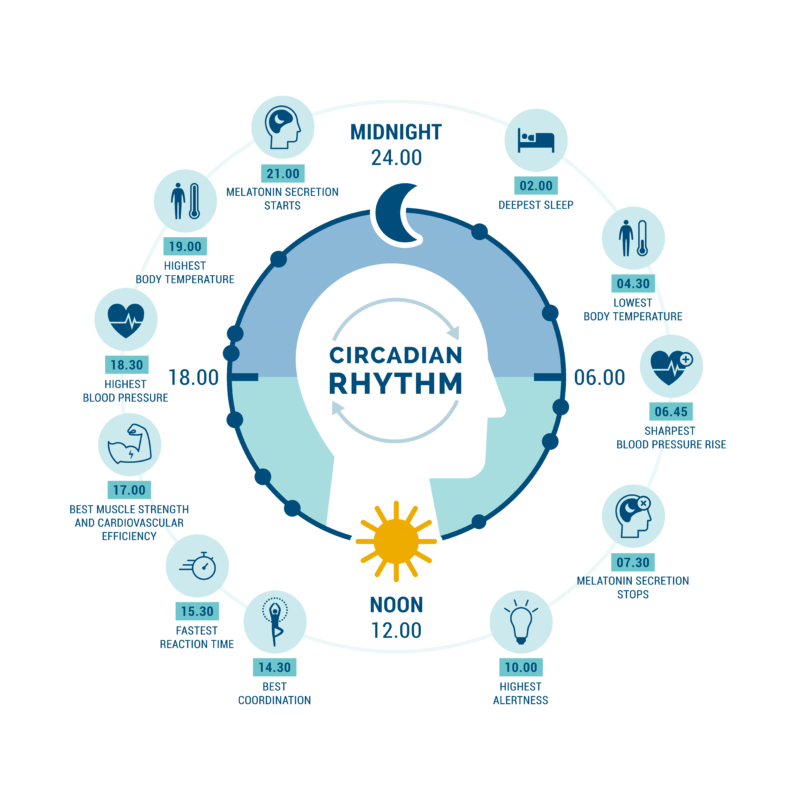
As the concept of a workspace advances, more people are recognising the importance of health and well-being within an office setting. Human centric lighting (HCL) examines the effects of lighting on the human body’s natural circadian rhythm. It can enhance our well-being, productivity, mood and comfort in a working environment. Our circadian rhythm is our body’s natural clock that regulates our daily sleep-wake routine. This is greatly influenced by the amount of light reaching our eyes.

In recent years, we have become accustomed to spending most of our time indoors. As a result of this lifestyle change, we typically spend less time in natural light, which impacts our circadian rhythms. Office workers can be working under the same conditions without any reference to what time of the day it is. One of the advantages of human centric lighting is how it can emulate natural lighting to align with the circadian rhythms of the occupants using the space. By incorporating dynamic human centric lighting solutions into your workplace setting, you are able to customise the lighting to your specific needs throughout the day.

Human centric lighting is created by changing the colour and intensity of white light. As it can be adjustable, a range of colour temperatures can be selected and controlled at the touch of a button. It is recommended to use a warmer relaxing light with lower intensity in the early morning and towards the evenings. The amber tones can create a welcoming and calming mood at the end of the day and prevent interruptions to our nocturnal relaxation time. During the typical workday hours, a cooler crisper light is recommended to make us feel energised and stimulated.

The use of human centric lighting is not only suitable for offices, it’s important in the education and healthcare sectors. It is one of the closest alternatives to providing natural lighting indoors. At LPA, we value people’s sense of well-being and believe in our approach to creating a sustainable workplace for the future. Contact our team today if you’re interested in incorporating human centric lighting solutions into your workplace.

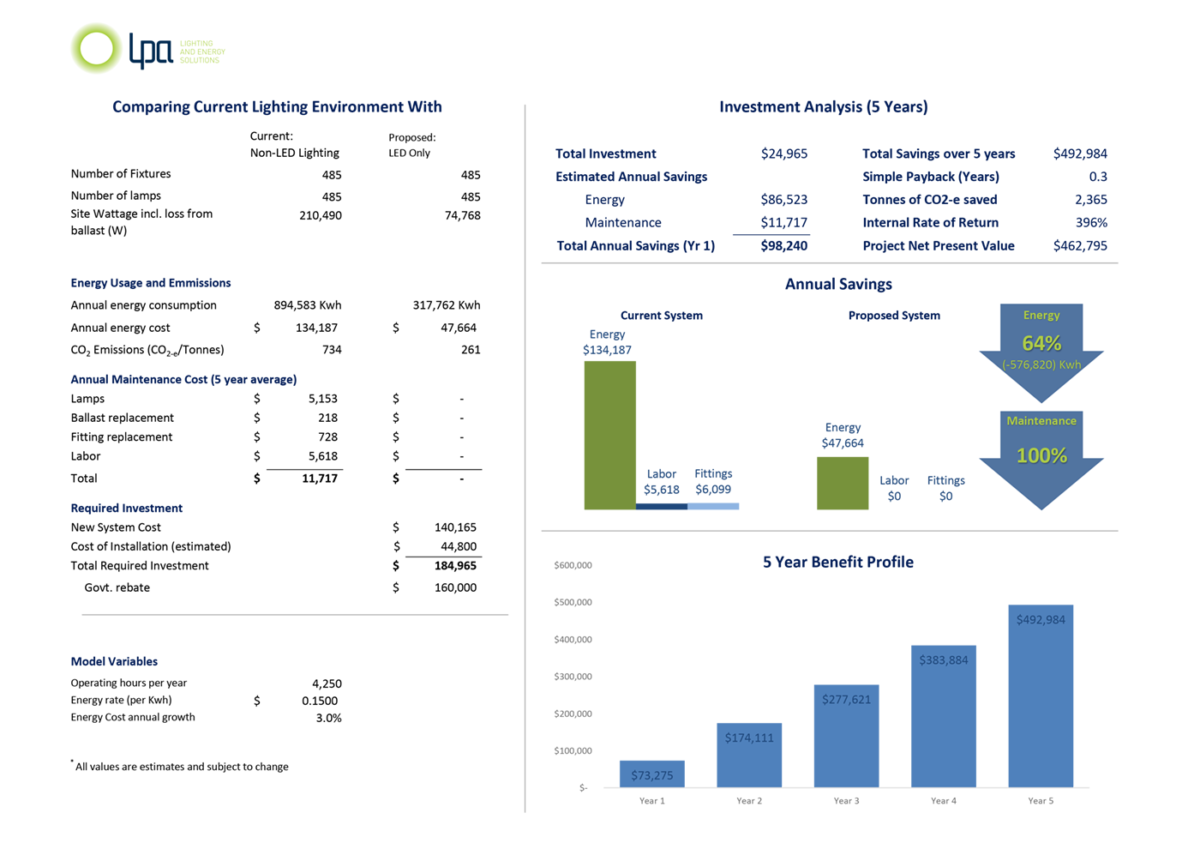
Lighting is one of the largest consumers of energy in commercial buildings. In a workplace, reducing energy consumption not only benefits the environment, it can improve productivity, performance and our well-being. A simple lighting retrofit can make a significant difference to your energy consumption and the occupants in your building. There are several benefits when it comes to upgrading your lights. We’ve put together some options on how you can improve your workplace for the better:


Why you should make the switch to LED?


In the last decade, we’ve seen LED technology revolutionise the global lighting market. There are many advantages to upgrading to LED lighting. LEDs are energy efficient and produce high quality light. They have a longer operating life span with fewer replacements and maintenance. LED lights can be beneficial to our health and well-being to improve productivity, morale and safety. They use significantly less energy than fluorescent, halogen and incandescent lights which can cause eye strain, glare and headaches. LEDs are flicker free and improves reliability. Switching to LEDs lights in your office can effectively compensate for high energy costs and eliminate the risk of maintenance associated with replacing traditional lighting.

Smart Lighting Controls

Another effective way to save energy is to integrate intelligent smart lighting controls and sensors throughout your office. LED lighting solutions including wireless, daylight, dimming and sensors can be set to each individual’s preference. In some instances, they can even be controlled by your smartphone. Additional motion-sensors and timers are a great investment when it comes to saving energy. By implementing them in areas that aren’t regularly used throughout the day such as bathrooms, basements and car parks, you can ensure your lights only turn on when someone is occupying the space and turn off after a set period of time. Smart lighting solutions can guarantee greater savings on energy costs and improve your office environment in an efficient way.

Government Rebates

The Australian government offers substantial rebates for businesses and households upgrading to LED lighting under the Victorian Energy Upgrades (VEU) and NSW Energy Saving Scheme (ESS) programs. These government initiatives are designed to make energy efficient products and services more affordable and encourage sustainable practices that reduce our energy consumption. Some states offer a partial or complete subsidy for energy upgrades for those eligible under the scheme. If your site was upgraded to LED over 5 years ago and you’re experiencing a number of failed fitting due to be replaced, you may still be eligible for a rebate by upgrading your existing LEDs to a newer and more efficient ones

LPA Lighting is an accredited VEU/ESS certificate provider in Australia. We offer a range of energy efficient VEU/ESS approved products, expertise and services to supply and manage your lighting upgrades. Contact our team today to discuss how we can improve your bottom line with an energy efficient solution.

LPA’s experience and range of capabilities in lighting design and commercial solutions can put your improved energy efficiency solutions within reach. No matter your motivation, LPA can improve your energy savings, environmental impact, social responsibility or a combination of all three with a lighting upgrade. Our holistic approach means your project is managed from start to finish including all specialised activities throughout the project’s life cycle. If you are ready to upgrade your workplace, contact our team today.

Choose your location.

Based on your location, you may be looking for the US website.

Choose your location.

Based on your location, you may be looking for the UK website.