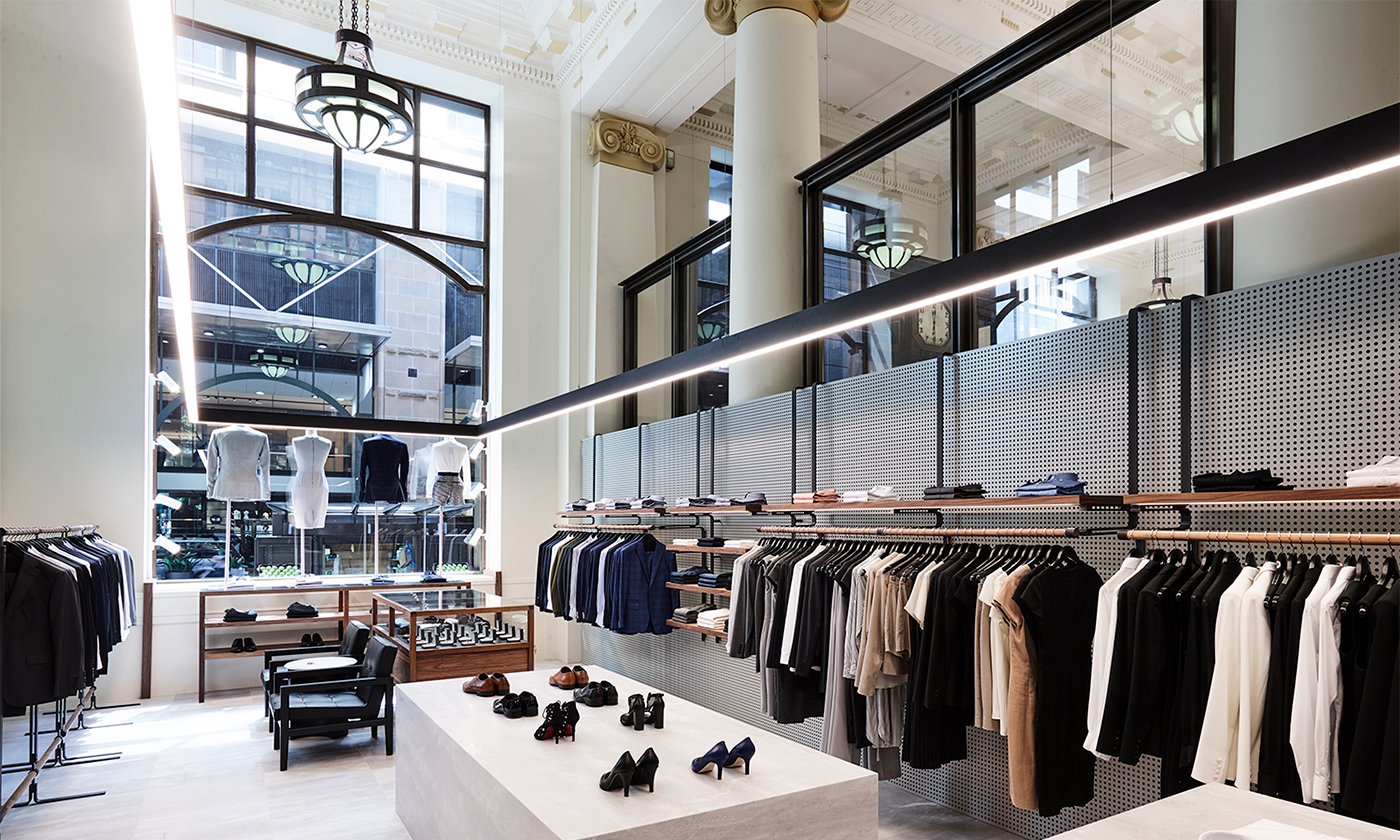
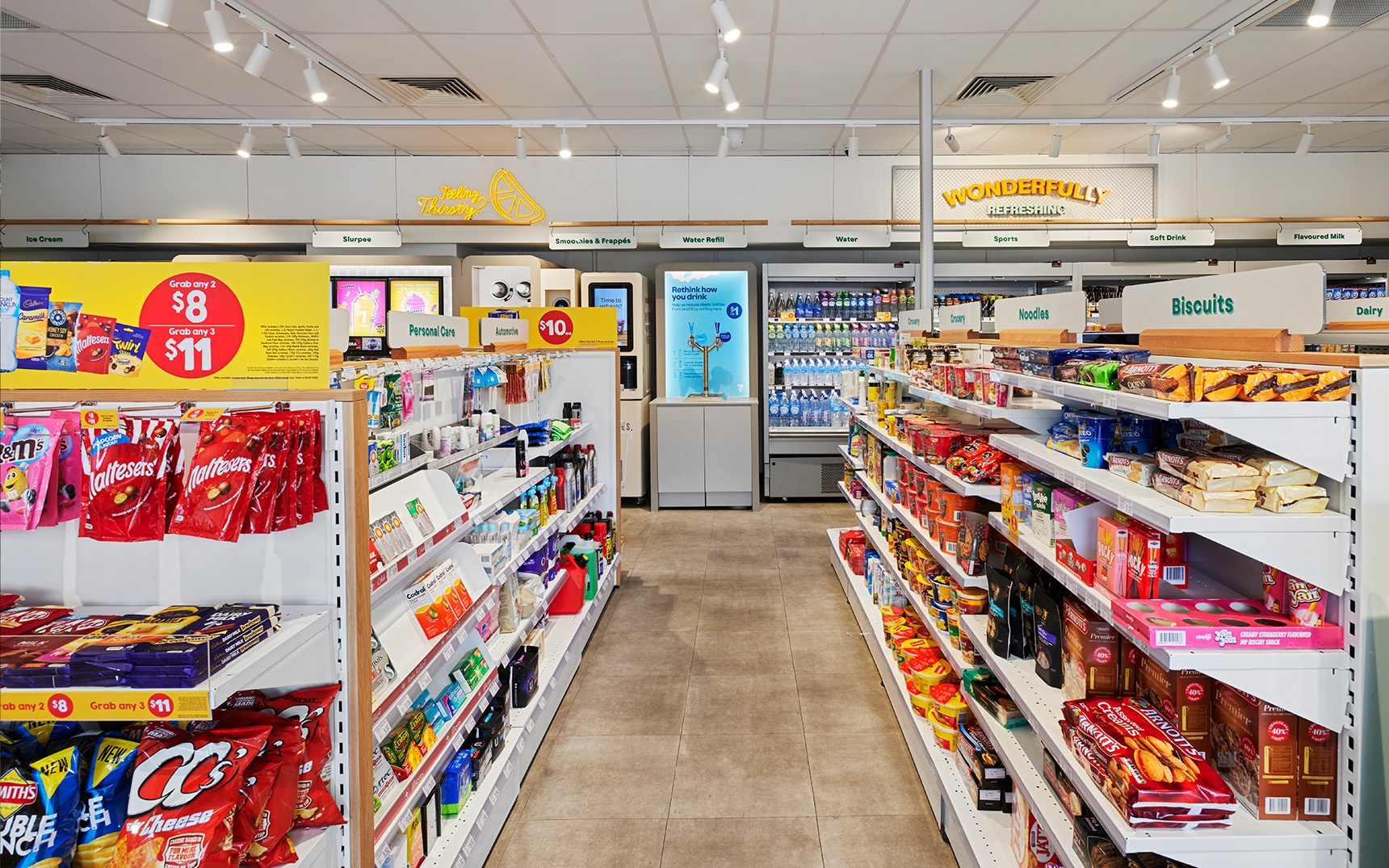
Lighting plays a significant role in every aspect of the retail experience from brand and product perception to consumer involvement. With consumers behaviour shifting towards online shopping, physical stores are forced to rethink their business models to remain viable. Lighting can be a strategically fundamental element when designing for a retail space. The right lighting can set the mood for your customers, create hierarchy among your products, impact customer’s behaviour and make the shopping experience an enjoyable one.
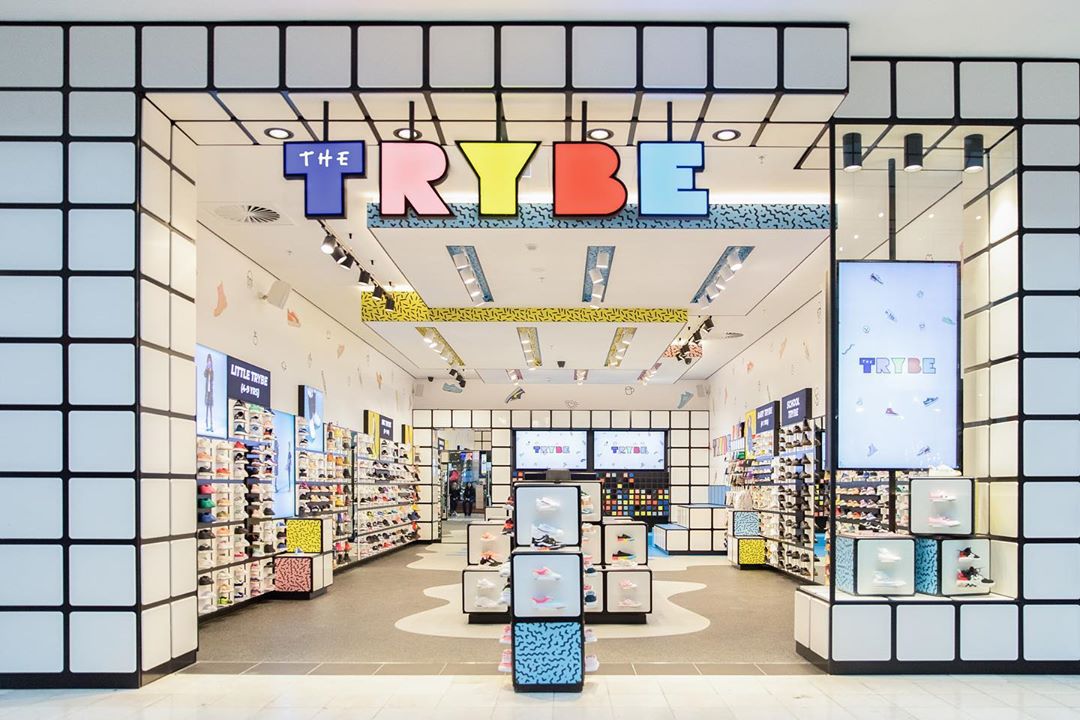
We’ve put together a list of factors to consider when designing for your retail store layout:
- Branding – Lighting can define your brand and store image. It can be a place to build a personal connection with the consumer. Brands have the ability to tell their story, target specific groups and differentiate themselves from another brand. If there’s a store roll out, the lighting can be kept consistent across your brand and become recognisable to customers.
- Lighting Techniques – Layering your lighting will add dimension to your store. Consider task, ambient, accent and decorative lighting for the different retail zones. Good lighting creates a quiet background for your store design to shine. This lighting approach can create a balanced illumination and avoid it looking flat.
- Colour Temperature – Lights with a high CRI rating are effective in presenting the quality and true characteristic of a store’s merchandise or goods. The colour temperature can create a soft warm illumination for a relaxing atmosphere or a bright cool lighting for maximum visibility of the products. We recommend keeping the colour temperature the same throughout the store for a consistent flow.
- Hierarchy – Establishing a hierarchy and highlighting key products can encourage consumer purchases.
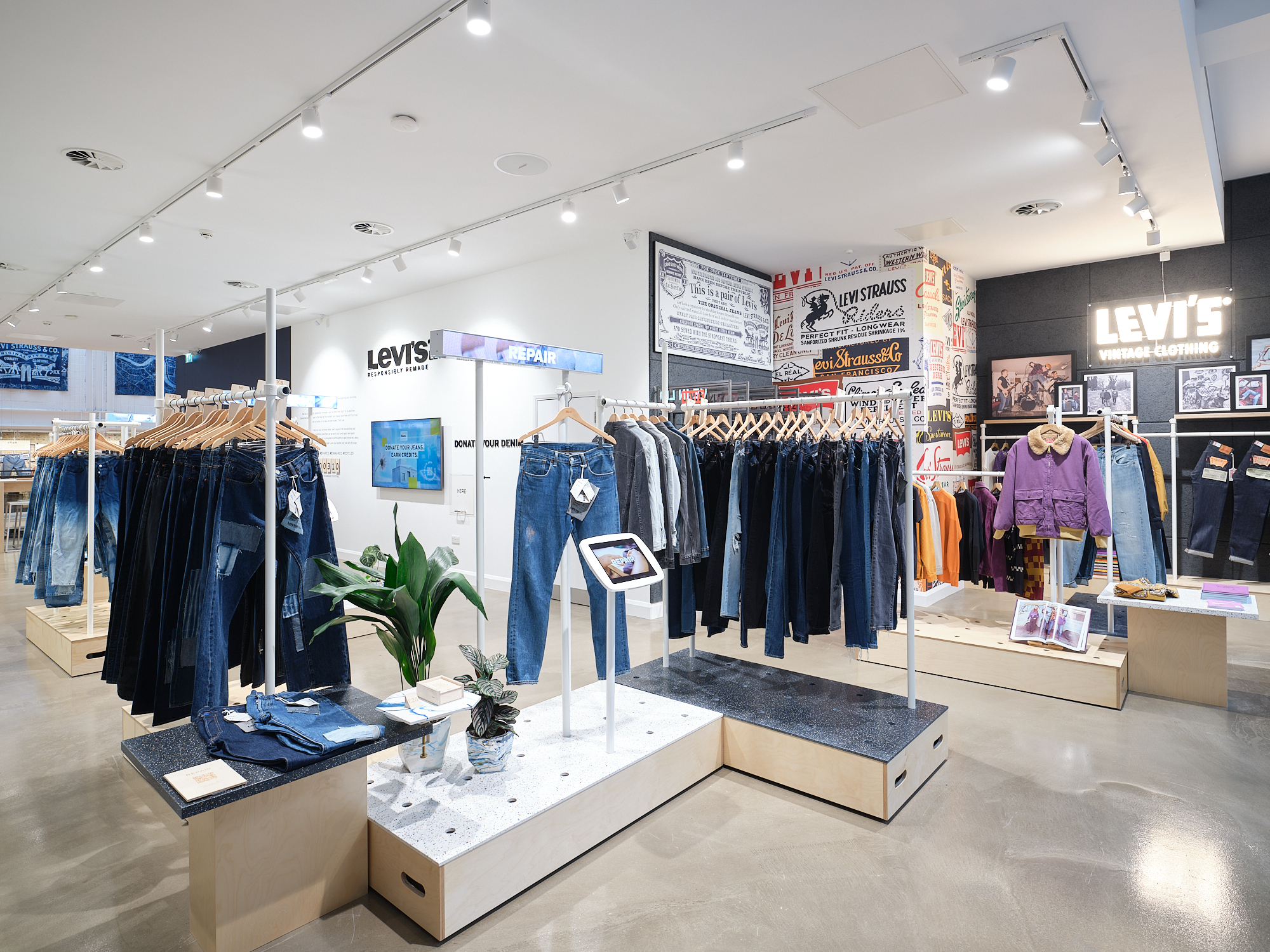
- Versatility – A key consideration when it comes to retail lighting is versatility. The window displays and product displays can be constantly changing to keep the consumers engaged. Adjustable track mounted fittings provide a solution for this changing environment. There are a variety of lighting options when it comes to dimming, colour temperatures, beam angles and finishes.
- Ambience – Lighting can determine the ambience of a store. A pleasant and relaxing shopping experience can prolong the amount of time customers spend there. Finding the right ambience can also entice customers to visit again.
- Contrast – Darkness is just as important as brightness. Adding contrast and depth to the store lighting will allow you to focus on products and key brand messaging.
- Energy Efficiency – Using energy efficient luminaires in your retail store can save energy and reduce overhead costs. It’s a long-term investment that pays off over a few years.
When it comes to designing the perfect shopping experience, lighting is perhaps the most important element. There isn’t one standardised formula that works for every store. But the points above will help you to think about some of the lighting decisions you can make throughout the design process.
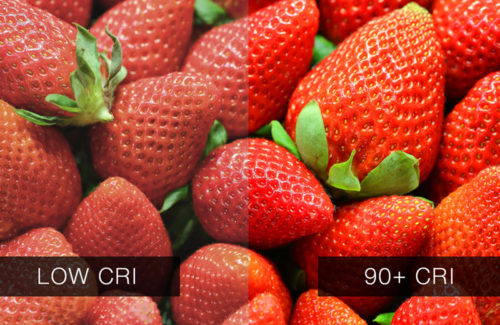
Have you ever walked into a store and noticed how some products look more vibrant and appealing under certain lights, while others seem dull and unattractive? The secret behind this visual phenomenon lies in a crucial lighting measurement called the Colour Rendering Index (CRI). As technology advances and customer expectations grow, retailers are becoming increasingly aware of the significance of CRI and its indispensable role in creating captivating shopping experiences.
Unravelling the Colours and Textures
Colour Rendering Index (CRI) is a measurement used to quantify how accurately a light source represents colours when compared to natural light. CRI is scored on a scale of 0 to 100, with a higher CRI indicating better colour rendering capabilities. When the CRI is closer to 100, the colours and textures under that light source appear more vivid and lifelike. Conversely, lower CRI scores result in colours that may appear distorted, washed out, or less true to their actual hue.
Primary Colours and the R9 Value
CRI measurement can sometimes be misleading, especially when it comes to primary colours. To gain a better understanding of colour rendering, we need to pay special attention to a specific colour within the CRI spectrum – reds. Reds are known to be the most difficult and expensive colours to render accurately. As such, it is crucial to check the R9 value when assessing lighting quality. The R9 value represents the rendering of red hues, and a value higher than 60 is a promising indicator of vivid reds.
Striking the Perfect Balance
While we strive for higher CRI scores to achieve impeccable colour rendering, there is a trade-off to consider. The higher the CRI of a light source, the lower its output will be. The good news is that advancements in lighting technology have significantly narrowed this gap. Today, the difference in output between CRI<70 and CRI<90 is approximately 10%, making high CRI lighting more accessible and practical for various applications.
CRI in Different Environments
The ideal CRI value depends on the specific application and environment. In office settings, where colour precision is crucial for tasks and productivity, CRI<80 is typically considered acceptable. However, as we delve into the realm of retail, where visual merchandising and customer experiences reign supreme, a higher CRI<90 is preferred. This ensures that products look their best, encouraging customers to linger and explore.
In environments such as car parks and warehouses, they prioritise functionality and efficiency over colour precision. For these applications, a CRI<70 or higher is considered adequate, as the primary concern lies in providing ample illumination for safety and convenience.