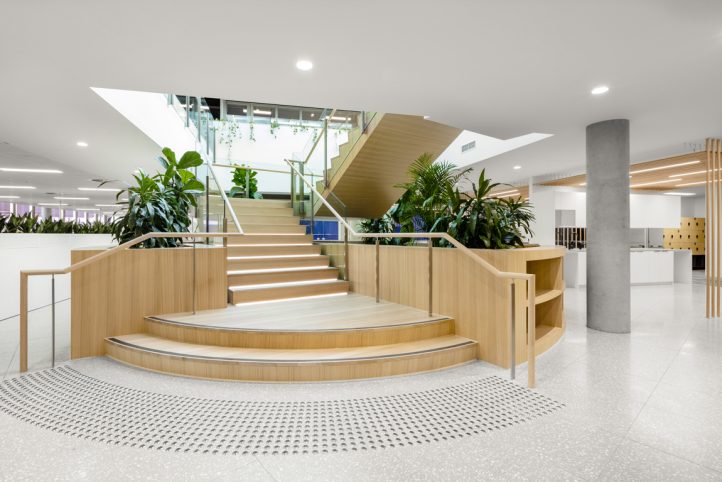
Sustainable design is increasingly becoming an integral part of our lives. LPA recognises the environmental impact businesses have on our planet. By partnering with brands achieving the same goals, being adaptable with our service offerings, sourcing products and creating lighting solutions that promote sustainability, we are doing our part to support the world’s change for a better future.
With our experienced team of designers, we focus on providing lighting solutions that minimise our environmental footprint. Our lighting designs are influenced by industry trends in architecture, interior design and lighting design. We work with our clients to analyse and find efficiencies in their design plans to contribute to their energy optimisation. Our team are able to communicate their lighting concepts through sketches, computer renders and detailed 2D and 3D documentation in a virtual space.
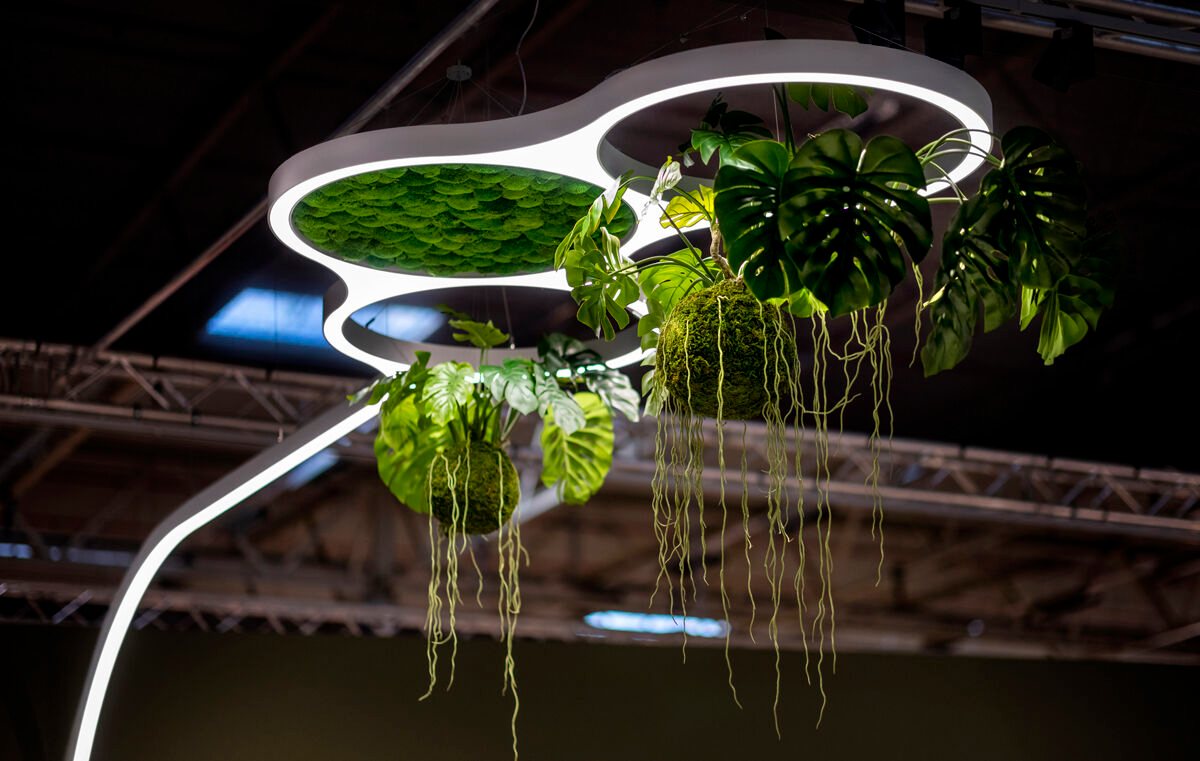
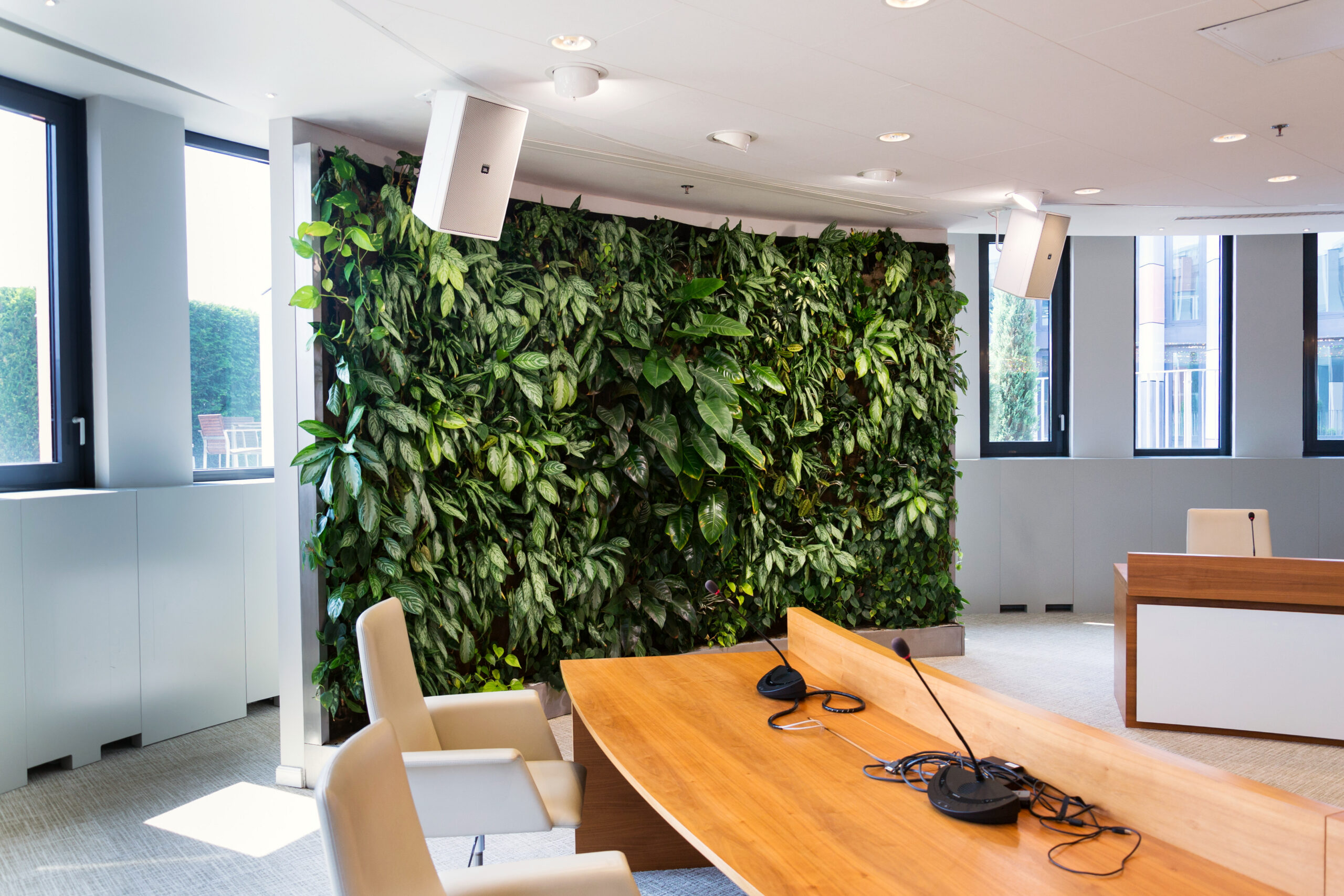
The use of natural light, reflective surfaces and additional elements such as green walls play a fundamental part in our design and the overall goal of reducing energy consumption. Clever design matched with good technology can reduce the need for artificial lighting – decreasing energy use in a building by 50-70%.
We design using luminaires that have a long life, are efficient, are repairable and replaceable without compromising on quality. Our products can be reused or recycled at the end of their life cycle. With the integration of smart technology, our team can utilise separate controls on individual areas allowing the use of motion and occupancy sensors to be implemented and reduce energy consumption.
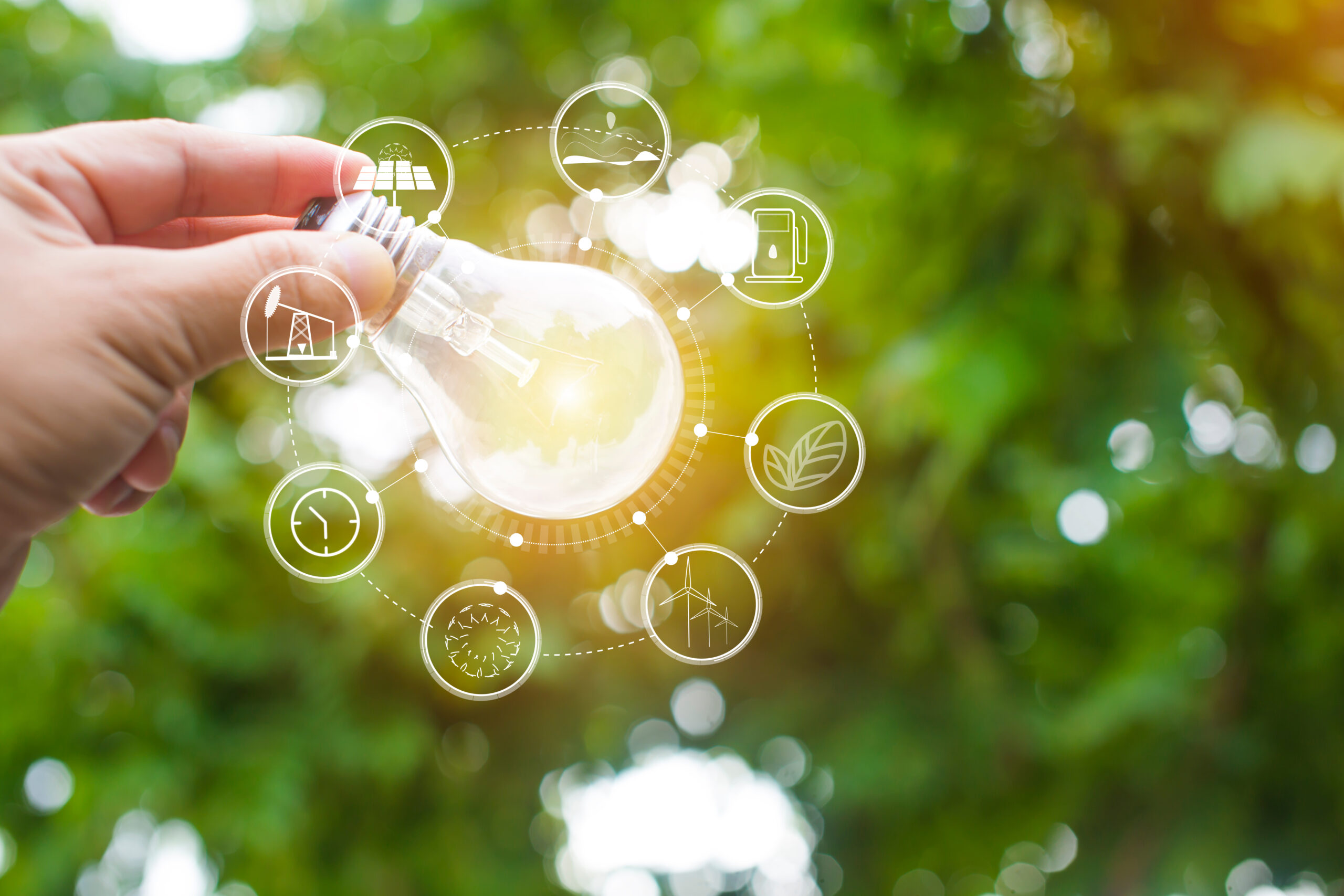
LED lighting has revolutionised the way we illuminate our spaces. Compared to traditional incandescent bulbs, LEDs offer superior energy efficiency, longer lifespans, and cooler operation. But within the world of LEDs, there’s a further level of optimization to be achieved: high-efficiency chips.
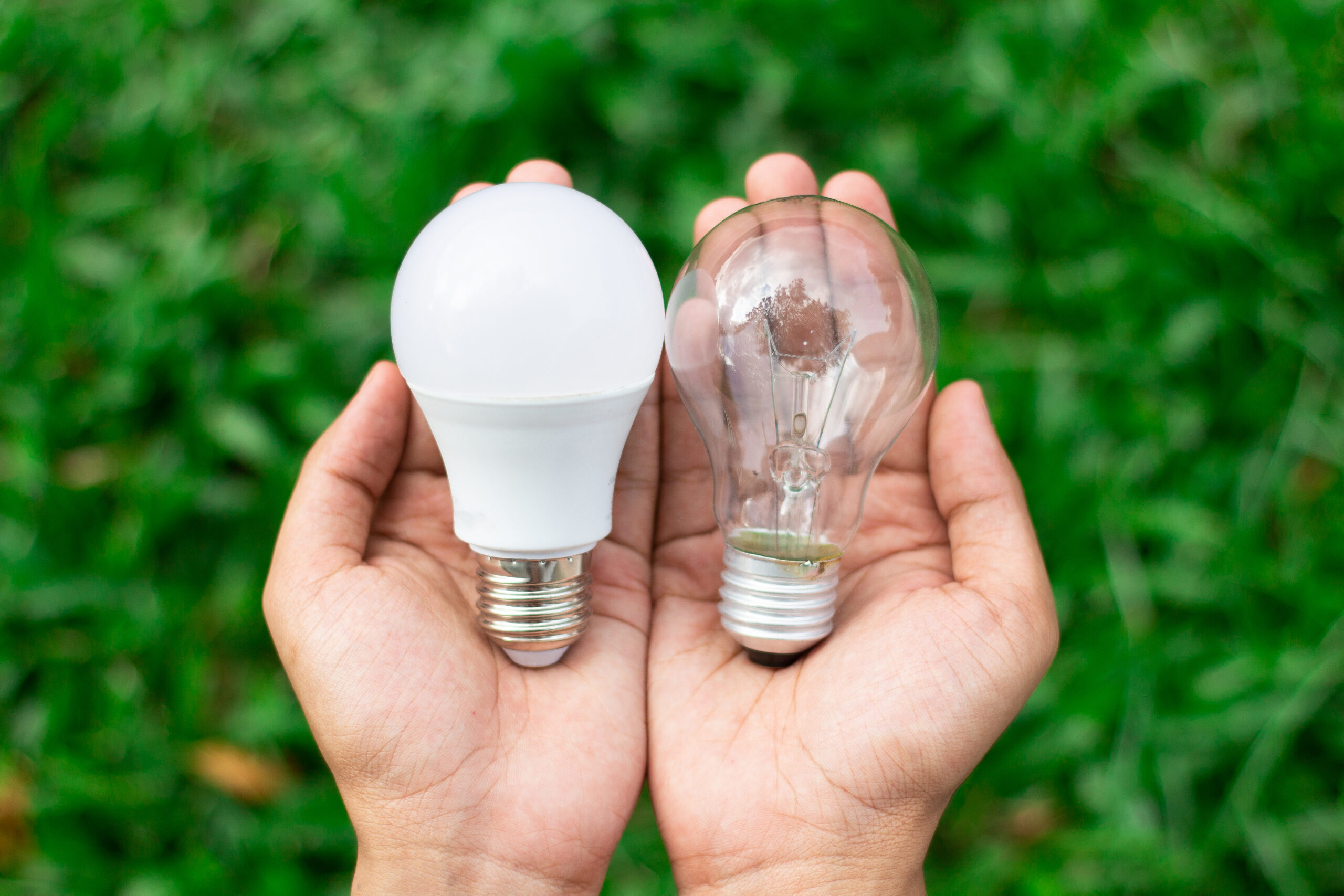
What are High-Efficacy Chips?
At the heart of every LED lies a tiny semiconductor chip. This chip converts electrical energy into light energy, measured in lumens. Efficacy, expressed in lumens per watt (lm/W), tells us how efficiently this conversion happens. The higher the lm/W rating, the more light an LED chip produces for each watt of electricity consumed.
High-efficacy chips are the champions of this metric. Currently, they can achieve lm/W ratings exceeding 200, and research suggests even higher values are on the horizon. This translates to significant energy savings, making them a compelling choice for a variety of lighting applications.
Benefits of High-Efficacy Chips
Reduced Energy Consumption: The most apparent benefit is the substantial decrease in energy used. High-efficacy chips require less power to produce the same level of light compared to standard LED chips. This translates to lower electricity bills and a smaller carbon footprint.
Lower Heat Generation: LEDs already generate less heat than incandescent bulbs. High-efficacy chips take this a step further by minimizing heat production even more. This not only improves the overall lifespan of the LED fixture but also eliminates the need for bulky heat sinks, leading to sleeker and more aesthetically pleasing designs.
Longer Lifespan: Heat is a major enemy of LEDs, accelerating their degradation. Since high-efficiency chips generate less heat, they tend to last longer than their standard counterparts. This translates to fewer replacements and lower maintenance costs.
Improved Light Quality: High-efficacy chips don’t compromise on light quality. They are available in a wide range of colour temperatures and with excellent colour rendering index (CRI) ratings, ensuring vibrant and natural-looking light.
Applications for High-Efficacy Chips
The energy-saving potential of high-efficacy chips makes them ideal for various applications:
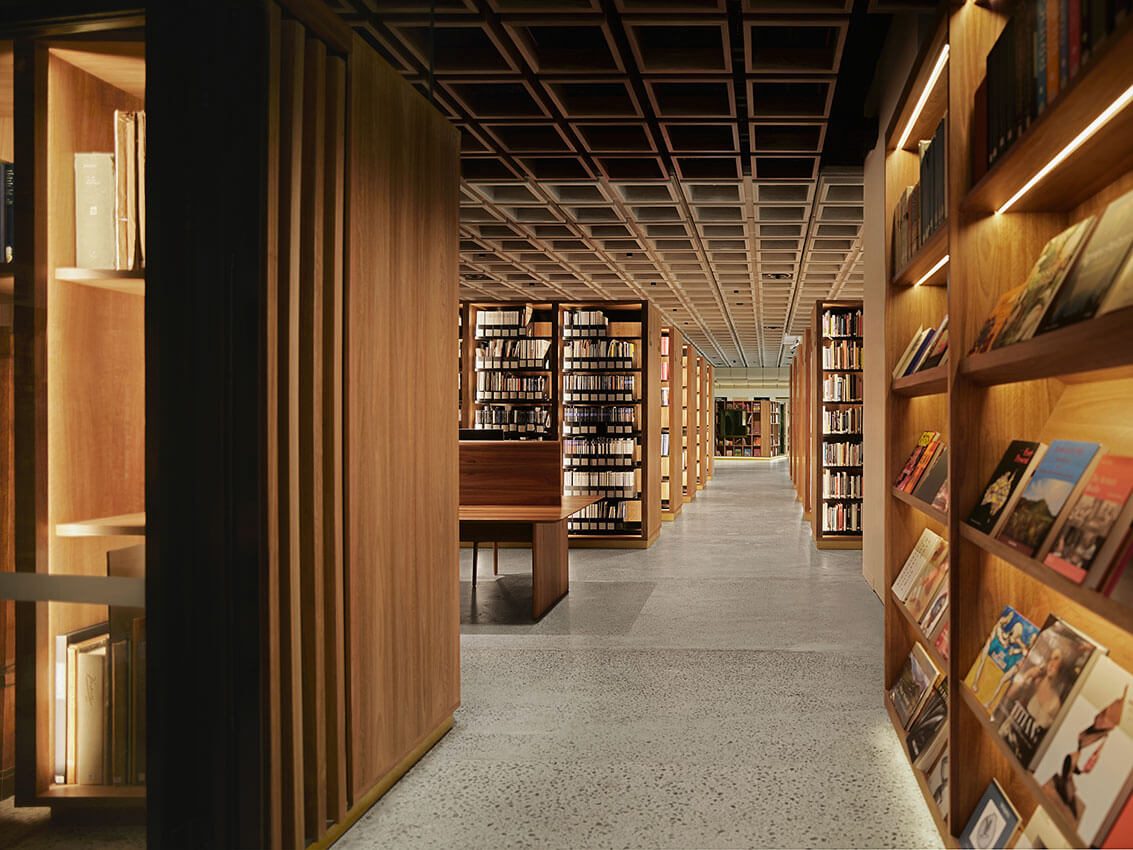
Commercial Lighting: Offices, warehouses, and retail spaces can significantly benefit from the reduced energy consumption offered by high-efficacy chips.
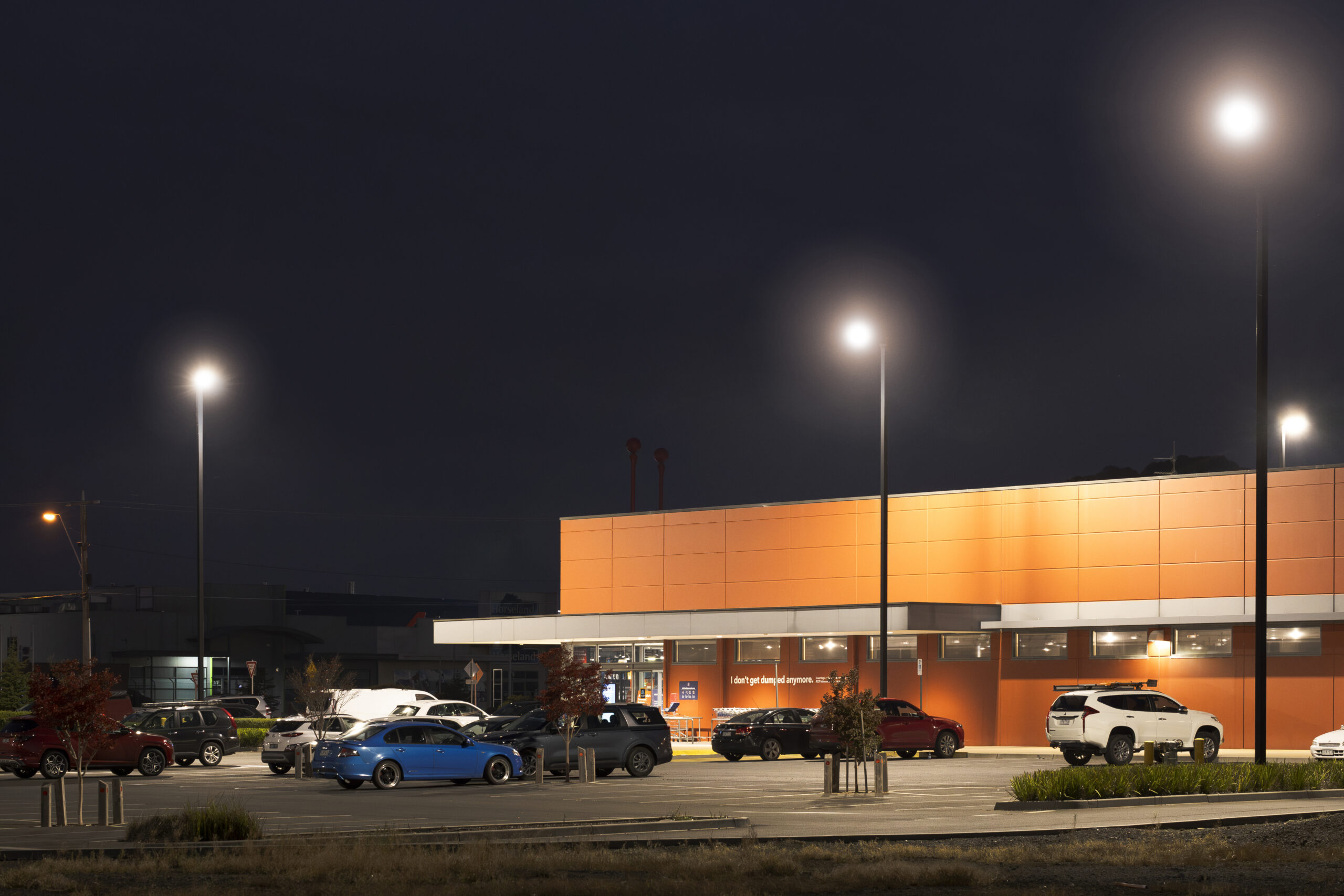
Street Lighting: High-powered LED streetlights equipped with these chips can illuminate roads and walkways efficiently, promoting safety and environmental responsibility.
Downlights and Panel Lights: These fixtures are commonly used in commercial and residential settings. High-efficacy chips can contribute to dramatic energy savings in these applications.
Task Lighting: Task lights provide concentrated illumination for activities like reading or working on a computer. High-efficacy chips can ensure adequate light levels while keeping energy use low.
Choosing High-Efficacy LED Lighting
When selecting LED lighting, look for fixtures that specify the lm/W rating of the chips used. Opt for options with ratings exceeding 150 lm/W to ensure high efficacy. Remember, a higher initial investment in high-efficacy chips can be offset by significant energy savings over the lifespan of the fixture.
The Future of High-Efficacy Chips
Research and development in LED technology are ongoing. Manufacturers are constantly striving to push the boundaries of efficacy. As the technology matures, we can expect even higher lm/W ratings, making LED lighting even more efficient and cost-effective.
In conclusion, high-efficiency chips represent a significant advancement in LED lighting technology. By prioritizing energy savings, longer lifespans, and cooler operations, they pave the way for a more sustainable and efficient future of illumination. So, the next time you’re considering LED lighting, look for options featuring high-efficiency chips to experience the brightest and most responsible way to light your world.

Lighting Design to Reduce Energy Consumption
At LPA, our internal design team comes from varying backgrounds architectural, engineering, design, and lighting itself. With their extensive knowledge and industry understanding a passion for lighting is apparent. LPA’s global footprint and shared services model empower us to cater to both global design needs and regional requirements. By adhering to four key principles—lighting product, lighting design, smart controls, and data monitoring and management—LPA establishes holistic and highly efficient lighting systems. These systems not only reduce energy consumption but also promote sustainability and cost-effectiveness for our clients.
Lighting Technologies for Designers:
Li-Fi (Light Fidelity)
- Uses LED bulbs for high-speed data transfer through visible light communication.
- Enables integrated lighting and data connectivity within spaces.
OLEDs (Organic Light Emitting Diodes)
- Offer thin, flexible, and sometimes transparent light sources.
- Allow for creative integration into architectural elements for unique aesthetics.
Advanced Control Systems and Integration:
Smart Controls and IoT Integration
- Enable sophisticated lighting systems adjusting based on real-time data.
- Personalise lighting experiences according to user preferences and environmental conditions.
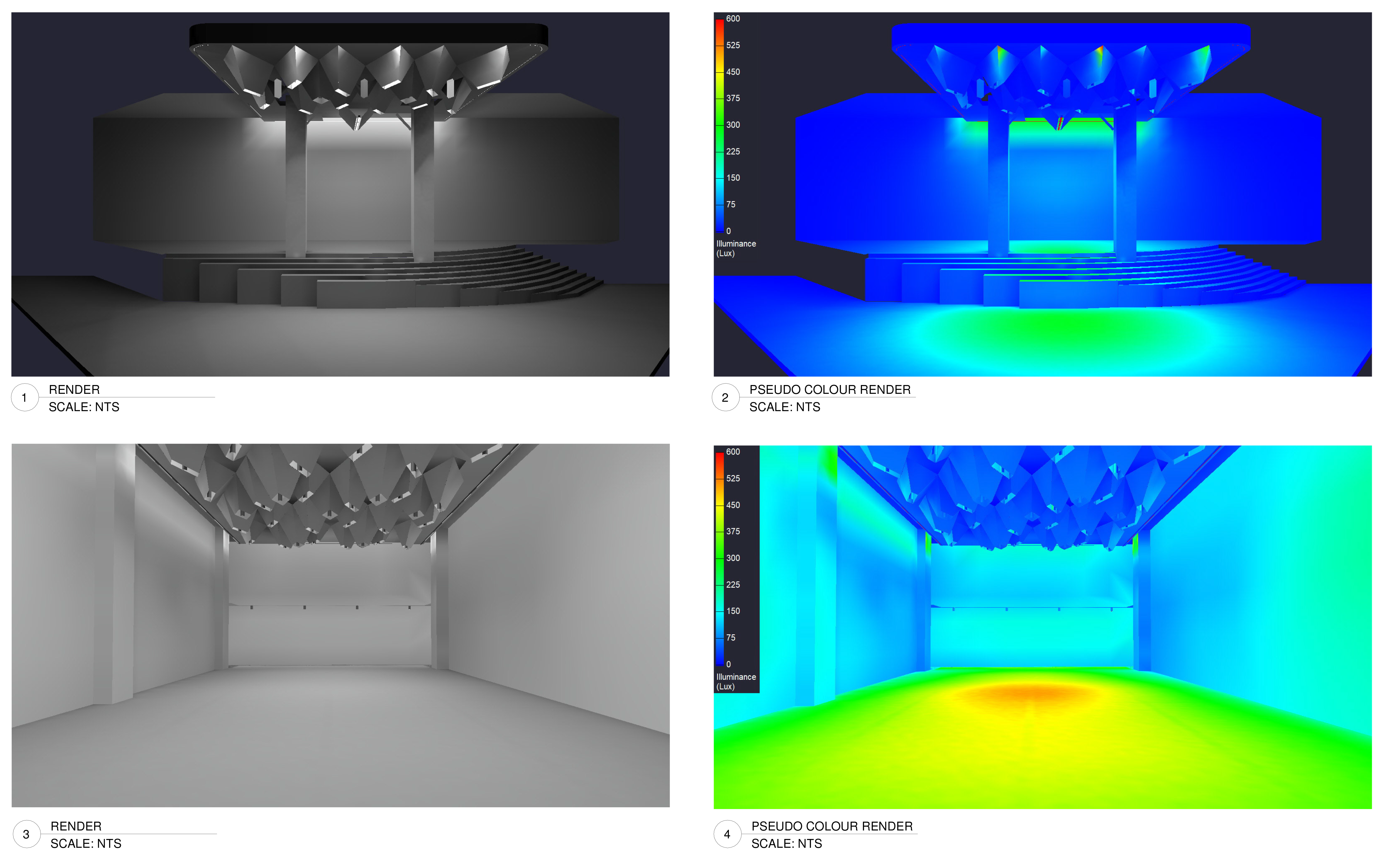
BIM (Building Information Modeling) and Photometric Software “AGI”
- Assist in simulating and analyzing lighting conditions in spaces.
- Integrate lighting plans seamlessly into overall architectural designs for coherence and efficiency.
Lighting Design
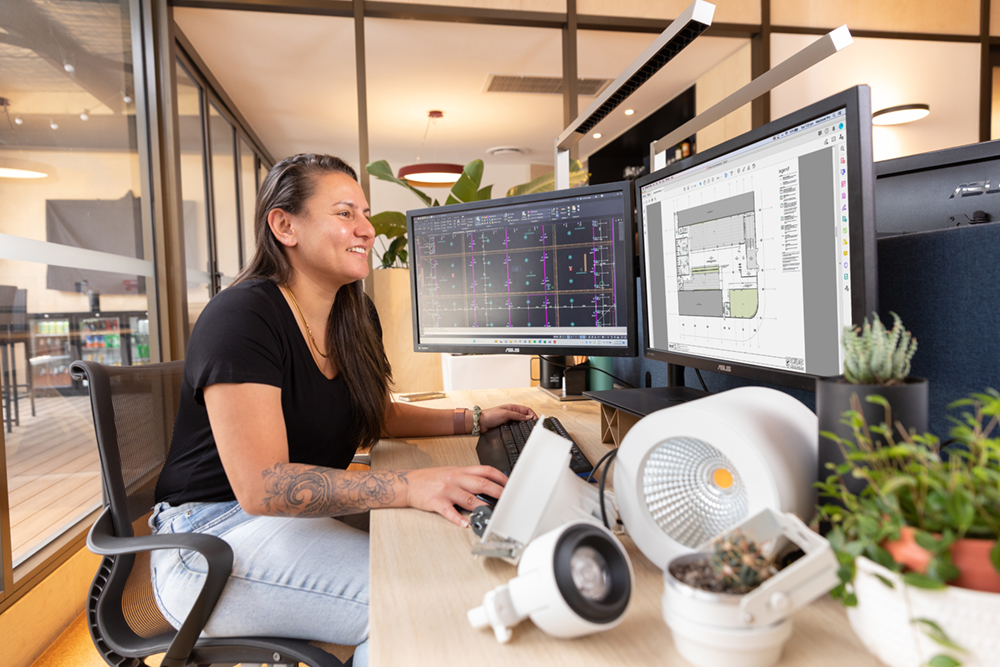
Our lighting designers use several technologies to create efficient lighting plans. Photometric software plays a crucial role, allowing designers to simulate and analyse lighting conditions in a space. This software helps in predicting how light will behave in different areas, considering factors like intensity, distribution, and colour. Additionally, Building Information Modeling (BIM) software enables designers to integrate lighting plans into overall architectural designs, ensuring coherence and efficiency in the use of light within a space. Advanced sensors and controls aid in creating responsive lighting systems, adjusting illumination based on factors like occupancy, daylight levels, and user preferences. These technologies enable designers to craft comprehensive lighting schemes that prioritise efficiency and optimal light quality.
Smart Controls
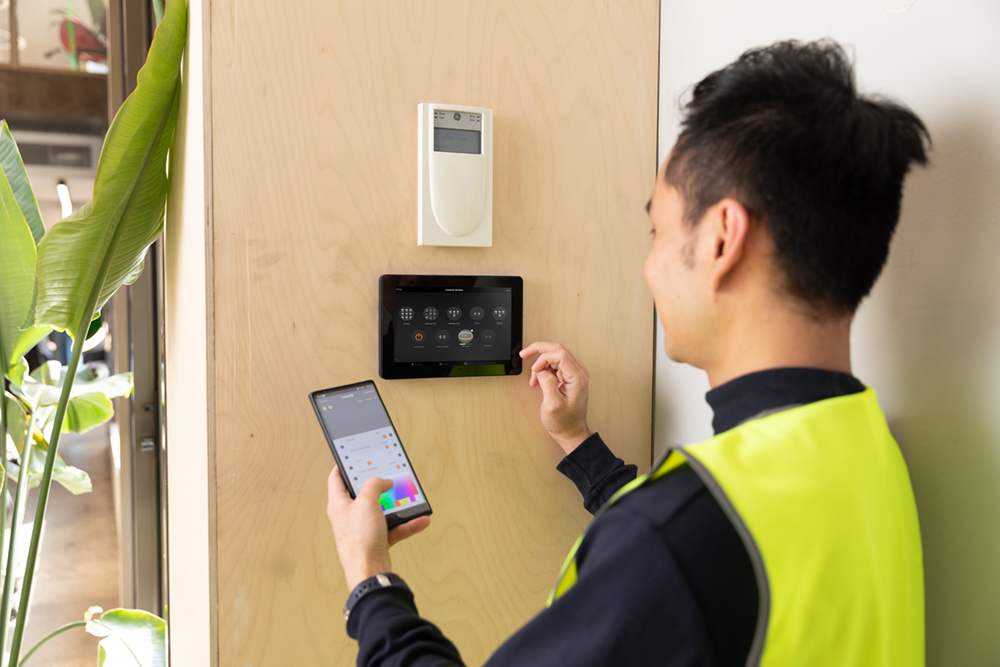
Globally, building regulations are increasingly calling for the adoption of intelligent lighting and environment control systems. By incorporating smart lighting controls like Casambi and DALI, you can easily manage your lighting systems, not only reducing your expenditure but also contributing to a greener environment. These innovative control solutions grant you the power to customise your lighting according to your preferences. With Casambi, it’s as simple as using your smartphone thanks to its wireless Bluetooth capabilities. You can fine-tune the colour temperatures, adapt to various settings, and even schedule your daily lighting needs. This not only makes it a cost-effective solution but also positions it as a forward-thinking choice for sustainable lighting.
Through using intelligent controls such as sensors and zoning, you are able to illuminate the areas that are in use and turn lights off when no one is present, ensuring that you’re not wasting energy unnecessarily.

Energy Management
Widesky provides an innovative, technology-driven solution that empowers transparency and accountability when it comes to collecting and reporting sustainability data. By harnessing the power of our platform, we illuminate the previously hidden aspects of your environmental impact, allowing you to monitor and comprehend your energy consumption. With the goal of lowering carbon emissions and cutting down costs.
The Widesky platform gives consumers the ability to gain valuable insights and understanding of their emissions through intuitive data visualisation. For larger enterprises and prominent brands, Widesky serves as a comprehensive platform capable of hosting and managing extensive company data, facilitating effortless comparison and enhancing accessibility.